Astana Sightseeing: 15 Attractions, Prices & 2-Day Itinerary (2026)
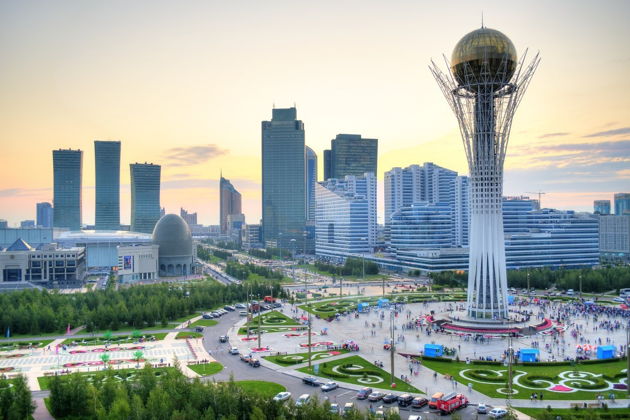
Astana has 15 major attractions worth visiting, most concentrated along the 3 km Nurzhol Boulevard axis from the Presidential Palace to Khan Shatyr mall, and a focused 2-day itinerary covers them all for under $30 in entrance fees. According to Wikipedia’s entry on Astana, Kazakhstan’s capital since 1997 rose from a Soviet provincial town of about 270,000 into one of the most architecturally ambitious cities in the world, with buildings designed by Norman Foster, Kisho Kurokawa, and Adrian Smith. Whether you are passing through on your way between Almaty and western Kazakhstan or dedicating a full visit, here is exactly what to see, what it costs, and how to plan your time.
Bayterek Tower
The 97-meter monument symbolizing Kazakhstan’s move of the capital in 1997. According to Wikipedia’s entry on Bayterek Tower, the tower’s design was conceived by former President Nursultan Nazarbayev as a metaphor for a legend about the mythical Samruk bird laying its golden egg in a tall poplar tree. The golden sphere at the top holds an observation deck with panoramic views of the entire city.
| Detail | Info |
|---|---|
| Entry | 700 KZT ($1.50) |
| Hours | 10:00-21:00 daily |
| Time needed | 30-45 minutes |
| Tip | Visit at sunset for the best photos |
The golden orb contains a handprint of former President Nazarbayev cast in gold. Placing your hand in the imprint has become a tourist ritual. Lines are shortest before noon on weekdays.
Khan Shatyr Entertainment Center
Norman Foster’s 150-meter tent-shaped structure is the world’s largest tensile structure. According to Wikipedia’s entry on Khan Shatyr, the structure was completed in 2010 and covers an area of 140,000 m², containing a shopping mall, indoor park, monorail, and a rooftop beach resort with sand imported from the Maldives.
| Detail | Info |
|---|---|
| Entry | Free (shops and food) |
| Beach Club | 5,000-8,000 KZT ($10-17) |
| Hours | 10:00-22:00 |
| Time needed | 1-2 hours |
The temperature inside stays at 25-30 degrees year-round regardless of the -30 degree winters outside. It is a genuine engineering marvel and a practical shelter during Astana’s harsh winters.
Palace of Peace and Reconciliation (Pyramid)
Another Norman Foster creation. According to Wikipedia’s entry on the Palace of Peace and Reconciliation, this 62-meter glass pyramid hosts interfaith conferences and contains a 1,500-seat opera hall, a museum of national heritage, and stained glass by Brian Clarke.
| Detail | Info |
|---|---|
| Entry | 1,000 KZT ($2) |
| Hours | 10:00-18:00 (closed Monday) |
| Time needed | 1 hour |
| Tip | The top-floor stained glass windows are the highlight |
Hazrat Sultan Mosque
Central Asia’s largest mosque and one of the largest in the world, accommodating 10,000 worshippers. According to Wikipedia’s entry on Hazrat Sultan Mosque, the mosque was completed in 2012 and covers 17,000 m², with minarets reaching 77 meters. The white marble exterior with gold domes is spectacular at any time, but most photogenic at dusk.
| Detail | Info |
|---|---|
| Entry | Free |
| Dress code | Cover shoulders and knees, headscarves for women (provided at entrance) |
| Hours | 9:00-20:00 daily |
| Time needed | 30-45 minutes |
National Museum of Kazakhstan
The largest museum in Central Asia at 74,000 square meters. According to Wikipedia’s entry on the National Museum of Kazakhstan, it opened in 2014 and houses over 450,000 exhibits across four floors covering Kazakhstan from ancient Scythian gold artifacts through nomadic empires to independence. The Hall of Gold features original Scythian treasures rivaling those in the Hermitage. The nomadic culture floor is particularly strong, with reconstructed yurts, traditional clothing, weapons, and musical instruments arranged with context that most other Central Asian museums lack. Allow at least two hours; the building is genuinely large and the Scythian gold exhibit alone warrants 30-45 minutes. English-language labels are available on most major exhibits, and the audio guide covers the highlights in a logical order.
| Detail | Info |
|---|---|
| Entry | 1,500 KZT ($3) |
| Audio guide | 500 KZT ($1) |
| Hours | 10:00-18:00 (closed Monday) |
| Time needed | 2-3 hours |
Nurzhol Boulevard (Water-Green Boulevard)
The 3 km pedestrian axis connecting the Presidential Palace to Khan Shatyr. Lined with government buildings, fountains, sculptures, and parks. This is where you understand Astana’s architectural ambition. Free to walk, best experienced at a leisurely pace.
EXPO Sphere (Nur Alem)
The 80-meter glass sphere built for Expo 2017 is now the Museum of Future Energy. According to the Bureau International des Expositions (BIE) record for Expo 2017 Astana, the exposition attracted 3.97 million visitors under the theme “Future Energy” and was the first World Expo to be held in Central Asia. Eight floors of interactive exhibits on renewable energy, space exploration, and Kazakhstan’s technology sector.
| Detail | Info |
|---|---|
| Entry | 1,500 KZT ($3) |
| Hours | 10:00-20:00 |
| Time needed | 1.5-2 hours |
Ak Orda Presidential Palace
The official residence of Kazakhstan’s president. You cannot enter, but the exterior (white marble with a gold dome) anchors the southern end of Nurzhol Boulevard and is one of Astana’s most photographed buildings.
Astana Opera
A 1,250-seat opera house with Italian marble interiors modeled on La Scala. Tickets for ballet and opera performances start from 2,000 KZT ($4). Even without attending a performance, the lobby is open for viewing.
Shabyt Palace of Arts
The funnel-shaped building at the edge of the EXPO complex houses contemporary art exhibitions, student shows from the University of Arts, and rotating installations. Admission is free for most exhibitions. Opening hours vary by show; check the current schedule at the entrance. The building itself is architecturally striking: its angled exterior panels of white stone and glass catch light at different angles throughout the day. The ground floor usually has a permanent gallery of Kazakh modern art, while the upper floors rotate through student and invited exhibitions. Worth 45 minutes if you are already at the EXPO complex.
Ishim River Embankment
A recently developed waterfront park stretching 5 km along both banks of the Ishim River. Jogging paths, cycling lanes, playgrounds, and floating restaurants. Rent an electric scooter for 500 KZT/hour ($1) from Spin or Whoosh apps.
The embankment is best in the evenings from May through September, when Astana’s resident population uses it heavily. Families walk, teenagers cycle, food stalls open. The view of the EXPO Sphere reflected in the river at dusk is one of the best photo opportunities in the city. On summer weekends, outdoor concerts and cultural events run along the riverbank (check local listings for the schedule).
Baiterek Mall and Local Markets
For a less polished side of Astana, visit the Artyom bazaar near the old railway station. Fresh produce, dried fruits, kurt, horse meat, and household goods at local prices.
The contrast between the bazaar and the gleaming boulevard a few kilometers away captures something real about how Astana works as a city. The vendors here are mostly long-term residents who remember when the city was a Soviet provincial backwater called Tselinograd. Prices are 30-50% lower than supermarkets. The dried fruit section alone (apricots, raisins, figs, walnuts from across Central Asia) is worth a visit for the variety.
For the most local coffee experience, head to the cafés around the Old Town area near Beibitshilik Street. These charge 400-600 KZT for a good espresso, a fraction of what the boulevard places charge.
Food and Dining in Astana
Astana has a broader and more cosmopolitan food scene than most visitors expect from a city built from scratch on the steppe.
Along Nurzhol Boulevard and the EXPO district, restaurants represent a full range: Kazakh national food, Japanese, Italian, Georgian, Russian, Korean, and Central Asian. Prices match the architecture. Mid-range restaurants charge $8-20 per person for a full meal, while upscale options near the Ritz-Carlton reach $40-60+.
For Kazakh food specifically, look for restaurants serving beshbarmak (boiled horse or lamb over pasta with broth), kuyrdak (fried offal, much better than it sounds), and samsa (baked meat pastries from tandoor ovens). According to the National Chamber of Entrepreneurs, Astana’s restaurant sector has grown by approximately 40% since 2018, driven by government employees, embassy staff, and business travelers.
| Meal | Budget option | Mid-range | Where to find |
|---|---|---|---|
| Breakfast | 500-800 KZT ($1-1.50) | 1,500-3,000 KZT ($3-6) | Cafés near hotels |
| Kazakh lunch (beshbarmak) | 1,200-2,000 KZT ($2.50-4) | 3,000-5,000 KZT ($6-10) | National restaurants |
| Dinner (restaurant) | 2,000-4,000 KZT ($4-8) | 6,000-15,000 KZT ($12-30) | Boulevard, EXPO area |
| Coffee | 400-600 KZT ($0.80-1.20) | 700-1,200 KZT ($1.50-2.50) | Everywhere |
Street food is limited compared to Almaty but growing. Look for samsa vendors near metro stations (200-300 KZT each) and lagman noodle shops in the bazaar area.
Burabay Day Trip
Nicknamed “Kazakhstan’s Switzerland,” Burabay National Park is 250 km north (3-hour drive). Pine forests, granite rock formations, and lakes surrounded by steppe. Organized day tours from Astana cost 15,000-25,000 KZT ($30-50).
The park is most spectacular in late September and early October when the birch forests turn gold against the granite outcrops. In summer, Lake Shchuchye is swimmable. The rock formations (including the famous “Sleeping Beauty” and “Okzhetpes” cliffs) provide easy hiking without the altitude demands of the Tian Shan mountains near Almaty. Day tours typically leave Astana by 8:00, reach the park by 11:00, and return by evening. If you have three days in Astana, dedicate one to Burabay. According to the Akmola Regional Tourism Department, Burabay received over 2 million visitors in 2024, making it one of the most visited natural destinations in Kazakhstan. The park offers accommodation ranging from Soviet-era sanatoriums (from 8,000 KZT/$16 per night) to modern lakeside hotels (from 25,000 KZT/$50 per night). For budget travelers, returning the same day to Astana saves significantly on accommodation costs while still covering the main attractions.
Costs Summary
| Item | Cost |
|---|---|
| All major museum entries (4 museums) | ~$10 |
| Meals for 2 days | $20-40 |
| Transport (metro + taxi) | $5-10 |
| Burabay day trip (optional) | $30-50 |
| Total 2-day visit | $35-60 (without accommodation) |
Hotels in Astana range from $25 (hostel) to $60-100 (mid-range) to $200+ (Hilton, Ritz-Carlton).
2-Day Itinerary
Day 1 (Nurzhol Boulevard axis): Morning: Bayterek Tower → walk Nurzhol Boulevard → National Museum (2-3 hours). Lunch at Line Brew or Selfie (both on the boulevard, $8-15/person). Afternoon: Palace of Peace (Pyramid) → Hazrat Sultan Mosque → Khan Shatyr mall.
Day 2 (EXPO district + river): Morning: EXPO Sphere → Shabyt Gallery. Lunch at EXPO food court. Afternoon: Ishim River embankment walk or cycle → Astana Opera (if evening performance). Alternative: full-day Burabay trip.
How to Get There
Astana airport (NQZ) has direct flights from Istanbul, Dubai, Frankfurt, and most Central Asian capitals. From Almaty, flights take 2 hours ($40-80) or the overnight train takes 14 hours ($15-40).
Within the city, the new LRT light rail covers the main tourist corridor. Yandex Go (ride-hailing) works citywide with rides from $1-3.
Frequently Asked Questions
Planning Tips
According to Britannica’s entry on Astana, the city was chosen as the new capital in 1994 partly for its strategic location in northern Kazakhstan, where the government wanted to stabilize the ethnic balance and develop the historically underpopulated north.
Astana rewards a focused 2-3 day visit more than a rushed day trip. The attractions cluster along a single axis, making logistics simple. Book a hotel on or near Nurzhol Boulevard and everything is walkable.
The best time to visit is May through September when temperatures are comfortable and the city’s parks and fountains are in full operation. Winter visits (December-February) offer a dramatic atmosphere and the novelty of experiencing one of the world’s coldest capitals, but plan for indoor activities.
From Astana, you can continue to Almaty by air (2 hours) or overnight train, or head west to the Caspian coast for a completely different side of Kazakhstan.
Last verified: March 2026
More Stories
travel
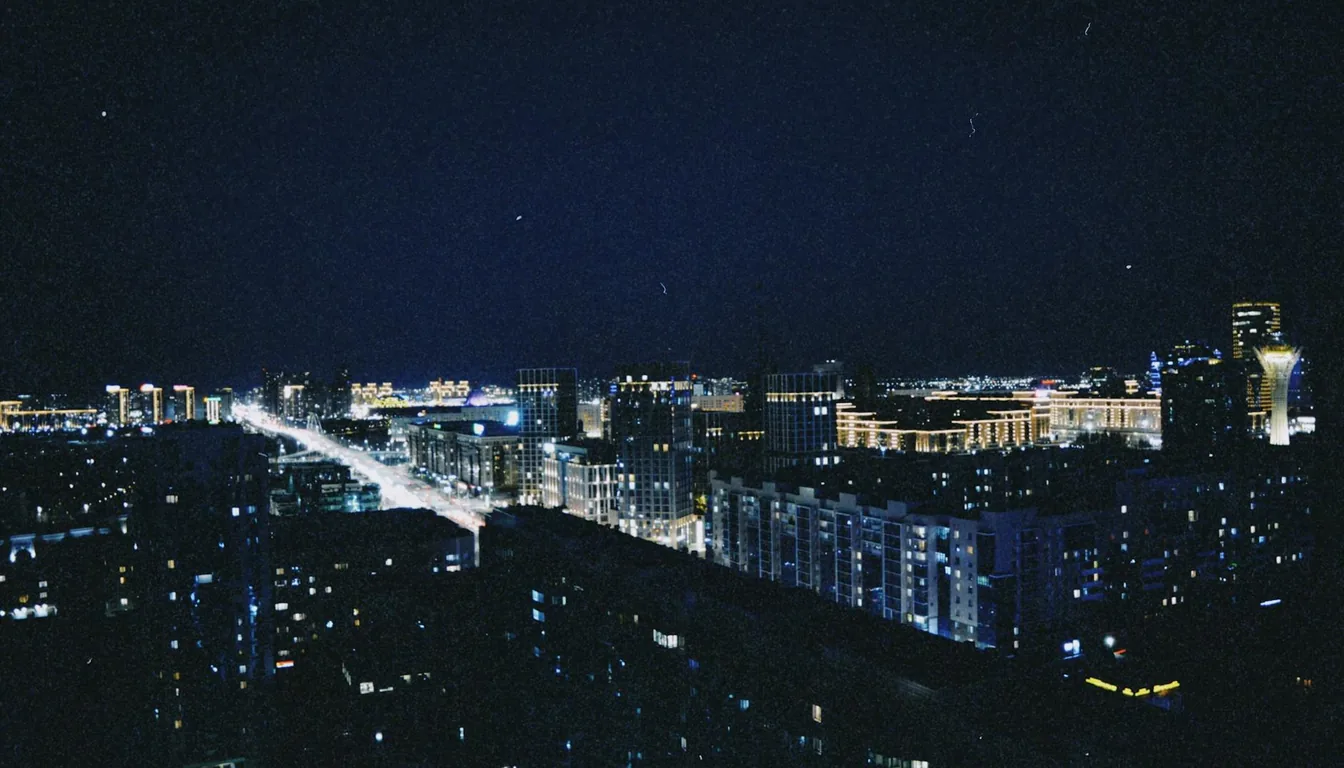
Astana, Kazakhstan: Top Attractions, 2-Day Itinerary & Costs (2026)
Astana is Kazakhstan's futuristic capital (1.3M people). Baiterek Tower, Khan Shatyr, free museums. 2-day itinerary, costs $30/day, flights from Almaty $50.
facts
Astana Hub: 0% Tax for IT Companies in Kazakhstan (2026)
Astana Hub: 0% corporate tax, 0% VAT for IT companies until 2029. Registration, requirements, 1,700+ members, comparison with Dubai and Estonia.
travel
Best Coworking Spaces in Almaty and Astana (2026)
10+ coworking spaces in Almaty and Astana with real prices. From $1/hour to $100/month. Includes Wi-Fi speed, hours, location, and nomad recommendations.