20 Must-Do Things in Kazakhstan: Adventure, Culture & Nature (2026)
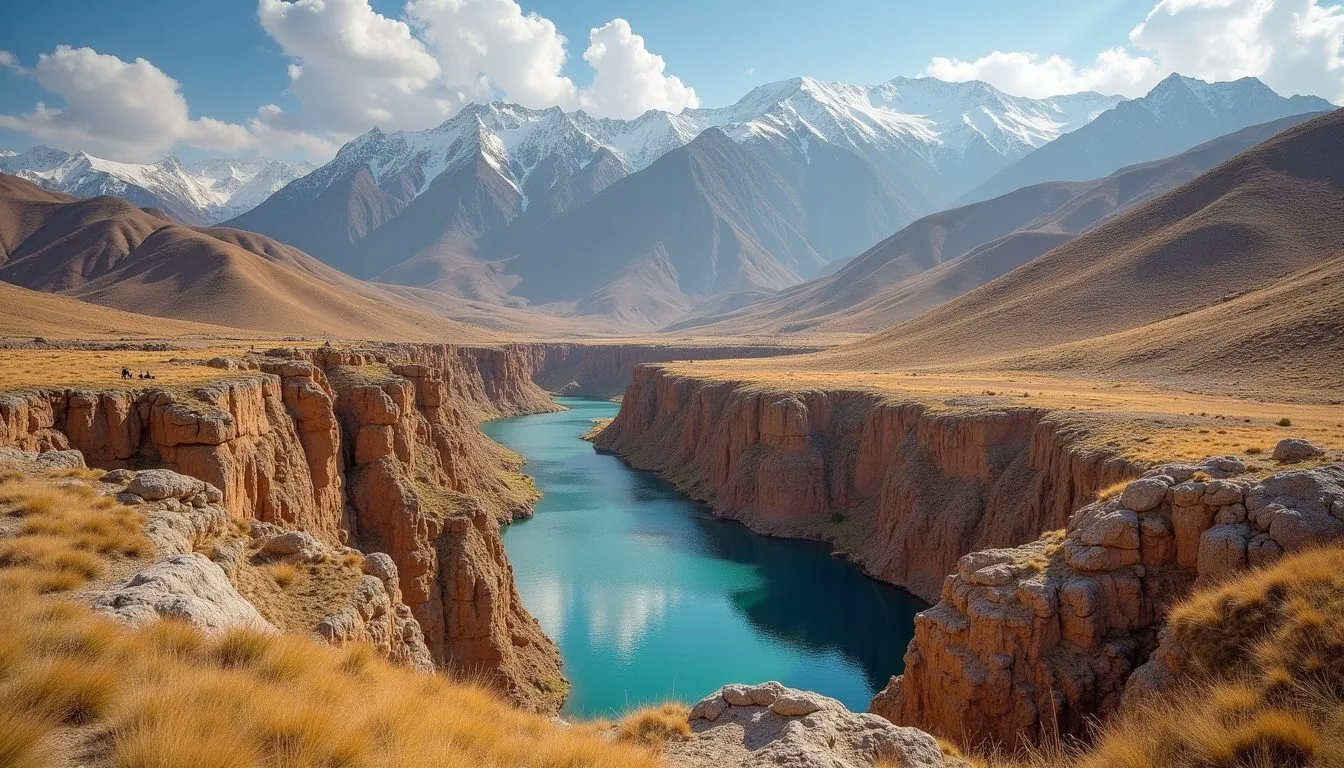
Hike to a turquoise glacial lake at 2,500m before lunch. Watch a golden eagle hunt from a horseman’s fist. Sleep on an overnight train crossing 1,200 km of steppe. These are not bucket-list fantasies. They are regular Tuesday options in Kazakhstan, and most cost under $50.
Kazakhstan is visa-free for 77 countries, has direct flights from Europe and Dubai, and is cheaper than Southeast Asia for many activities. Here are the 20 best things to do, ranked by visitor impact.
If you only have 3 days, do these:
- Medeu and Shymbulak (Almaty mountains, 30 min from city, $4-40)
- Charyn Canyon (red rock canyon, day trip, $3 entry)
- Green Bazaar and Beshbarmak (taste Kazakhstan in one afternoon, free)
Not sure if Kazakhstan is right for you? Read our honest take on whether Kazakhstan is worth visiting.
Top 20 Activities at a Glance
Most activities cost $3-100. The steppe and mountains are free.
| # | Activity | Location | Best Season | Budget (USD) |
|---|---|---|---|---|
| 1 | Medeu & Shymbulak | Almaty | Year-round | $4–40 |
| 2 | Charyn Canyon | 200 km from Almaty | Apr–Oct | $3 entry |
| 3 | Kolsai & Kaindy Lakes | 330 km from Almaty | Jun–Sep | $3 entry |
| 4 | Big Almaty Lake | 15 km from Almaty | Jun–Sep | Free |
| 5 | Eagle Hunting (Berkutchi) | Near Almaty | Oct–Mar | $50–100 |
| 6 | Altyn-Emel National Park | 200 km from Almaty | Apr–Oct | Permit required |
| 7 | Explore Almaty | Almaty | Year-round | Varies |
| 8 | Astana Architecture | Astana | Year-round | Varies |
| 9 | Turkestan Silk Road | Turkestan | Year-round | $5–10 |
| 10 | Shymkent & Bazaars | Shymkent | Year-round | Budget-friendly |
| 11 | Baikonur Cosmodrome | Central steppe | Year-round | $500–1,500 |
| 12 | Tamgaly Petroglyphs | 170 km from Almaty | Apr–Oct | $3 entry |
| 13 | Golden Man Site (Issyk) | 30 km from Almaty | Year-round | $2–5 |
| 14 | Beshbarmak Meal | Nationwide | Year-round | $5–15 |
| 15 | Nauryz Festival | Nationwide | March 21–22 | Free |
| 16 | Green Bazaar | Almaty | Year-round | Free entry |
| 17 | Overnight Sleeper Train | Almaty–Astana | Year-round | $20–90 |
| 18 | Horseback Riding | Near Almaty | May–Oct | $30–400/day |
| 19 | Mangystau Expedition | Western Kazakhstan | Apr–Oct | $500+ (multi-day) |
| 20 | World Nomad Games | Varies | Event years | Varies |
Nature and Outdoor Adventures
Kazakhstan’s best outdoor activities are concentrated within 200km of Almaty: Charyn Canyon, Kolsai Lakes, Big Almaty Lake, Altyn-Emel National Park, and the Tian Shan ski and trekking terrain at Shymbulak. Most are accessible as day trips; multi-day expeditions require advance planning.
1. Medeu and Shymbulak, Mountains Above Almaty
The easiest high-altitude mountain experience in Central Asia is 30 minutes from central Almaty. Medeu is a famous outdoor skating rink at 1,691m, the world’s highest-elevation speed skating rink, built in 1972. From Medeu, a gondola lifts you to Shymbulak ski resort at 2,500m.
Summer (May–October): Alpine meadows, wildflower trails, ibex spotting, and hiking routes that continue to 3,000m+ for fit walkers. More serious trekkers can access multi-day routes from Shymbulak to high passes.
Winter (December–March): Kazakhstan’s best ski resort, with runs descending from 3,200m and modern gondola infrastructure. Day ski pass: $25–40.
Tip: Hire a certified mountain guide for anything beyond the marked ski resort trails. The Tian Shan above Almaty has serious hazards including glacier crevasses and avalanche zones.
2. Charyn Canyon, Kazakhstan’s Grand Canyon
200km east of Almaty, Charyn Canyon cuts through the steppe for 80km, reaching depths of 90 meters in the most dramatic sections. The red and orange sandstone formations glow at sunrise and sunset in ways that genuinely rival the American Southwest.
The Valley of Castles section (the most-visited 2km stretch) has a well-maintained walking trail through towering formations. The Ash Tree Grove (Sogdiana Grove) preserves a stand of Sogdian Ash (Fraxinus sogdiana), Ice Age relict trees found in only a handful of locations worldwide.
Logistics: No public transport. Day trip from Almaty by private car or organized tour (2.5 hours). Basic yurt camp for overnight stays. Best light: 1 hour after sunrise or before sunset.
3. Kolsai Lakes and Kaindy Lake
Three alpine lakes stacked at increasing elevations in the Tian Shan, 330km southeast of Almaty near the Kyrgyz border:
- Kolsai 1 (1,818m): Accessible to all, surrounded by pine forest, basic guesthouses
- Kolsai 2 (2,252m): A 3-hour hike from Kolsai 1; significantly more dramatic
- Kolsai 3 (2,650m): Serious mountain terrain; guides recommended
Combine with Kaindy Lake, 20km from Kolsai 1, reached by unpaved road. An 1911 earthquake submerged a forest here, leaving bare tree trunks protruding from turquoise water. The visual effect is genuinely surreal.
Best season: June–September. Logistics: Organized tour or private hire from Almaty (minimum 2 days to do both lakes justice).
4. Big Almaty Lake
Just 15km from Almaty city center, a high-altitude reservoir at 2,510m, jade-green or turquoise-blue depending on the time of year and snowmelt levels. Surrounded by peaks reaching 4,000m+. One of the most accessible “wow” landscapes in Central Asia: you can drive to within 1km of the lake, then walk a short path.
Best months: June–September (icy and often closed November–April).
5. Eagle Hunting Experience (Berkutchi)
The Kazakh berkutchi tradition, hunting with trained golden eagles, has been practiced for over 4,000 years and was inscribed on UNESCO’s Intangible Cultural Heritage list in 2010. Kazakhstan has several hundred active berkutchi (eagle hunters); the best-known cluster is in the villages east of Almaty, near the Chinese border.
What to expect: Meeting the berkutchi and his eagle (birds weigh 3–6kg and have wingspans of up to 2.3m), learning about the multi-year training process (a berkutchi typically spends 3–5 years training an eagle), watching the eagle fly and hunt, and getting photos with the bird on your arm.
Booking: Several Almaty operators offer half-day experiences. Expect $50–100 per person for a group experience. For a more authentic (non-tourist) experience, ask operators to connect you with working berkutchi in the Talgar or Turgen areas.
See our complete eagle hunting guide for more.
6. Altyn-Emel National Park
200km east of Almaty, a vast protected area of steppe, desert, and low mountains. Kazakhstan’s most diverse single day-trip destination:
- Singing Sand Dunes (Aiyal): 150m-high sand dunes that produce a deep, resonant humming when wind blows across them, caused by grain-on-grain vibration. The sound is genuinely otherworldly, audible from hundreds of meters away
- Aktau White Mountains: Beautifully eroded clay mountains in white, yellow, cream, and red with lunar landscape quality
- Katutau Lava Fields: Black volcanic rock landscape, dramatically different from the white mountains nearby
- Saiga antelope: One of Kazakhstan’s protected saiga populations lives in the park
- Scythian kurgans: Burial mounds of Saka warriors from 500–200 BCE, visible across the steppe
Access: Requires 4WD or organized tour from Almaty. Park entry permits required at the gate. Basic accommodation in the village of Basshi.
Cities and Culture
Almaty rewards 3–4 days with mountain gondolas, Soviet-era parks, and the best food market in Central Asia. Astana needs 1–2 days for its Norman Foster architecture and the world’s largest mosque. Turkestan and Shymkent are essential for Silk Road history and authentic bazaar culture.
7. Explore Almaty (3–4 Days)
Kazakhstan’s largest city rewards serious time. Key experiences:
- Zelyony (Green) Bazaar: The sensory heart of Almaty and the best food market in Central Asia, with fresh produce, horse meat, kazy (horse sausage), kurt (dried cheese), honeys, dried fruits, Uzbek spices, and Korean kimchi in one extraordinary hall
- Kok-Tobe Hill: Take the gondola from the city center for panoramic views of Almaty against the mountains backdrop. TV tower, outdoor cafes, Almaty’s version of the Hollywood sign
- Panfilov Park: Beautiful central park with the 1907 wooden Cathedral of the Holy Ascension (survived the 1911 earthquake; built without nails) and the Soviet Memorial of Glory
- Central State Museum: Kazakhstan’s premier museum with Saka gold artifacts, Kazakh yurt reconstructions, and national history from Bronze Age to present
- Arbat pedestrian street (Zhylis): Restaurant and café strip; weekend buskers and good street food
See the complete Almaty travel guide for neighborhoods, restaurants, and day trip options.
8. Astana, Futuristic Capital
The planned capital deserves 1–2 days of dedicated exploration. Built from scratch since 1997, Astana is simultaneously Kazakhstan’s political showcase and one of the world’s most unusual cities:
- Bayterek Tower: 97m observation tower symbolizing the mythological tree Baiterek holding a golden egg. The observation deck (at 97m, representing 1997, the year of the capital transfer) has Nazarbayev’s golden handprint cast in gold; press your hand into it and make a wish
- Khan Shatyr: Norman Foster’s transparent tent structure, the world’s largest tent building. An indoor tropical beach resort operates inside regardless of the -35°C winter outside. Also contains a mall, restaurants, and an indoor roller coaster
- Palace of Peace and Reconciliation: Norman Foster’s glass pyramid with interior exhibitions on world religions and Kazakhstan’s role in interfaith dialogue
- Hazrat Sultan Mosque: Largest mosque in Central Asia (10,000-person capacity); extraordinarily beautiful interior; visitors welcome outside prayer times
- National Museum of Kazakhstan: 74,000 m²; the best collection of Saka gold artifacts in the world; comprehensive national history
See our complete Astana guide for neighborhoods, architecture walking routes, and practical tips.
9. Turkestan, Silk Road UNESCO City
Turkestan is Kazakhstan’s most historically significant city and a destination that has been dramatically transformed by $1+ billion in state investment since 2018. The centerpiece is the Mausoleum of Khoja Ahmed Yasawi, built by Timur (Tamerlane) in 1389–1405 over the grave of the Sufi saint who Islamicized the Kazakh steppe. UNESCO designated the mausoleum a World Heritage Site in 2003. Its massive unfinished turquoise dome and monumental portal are among the finest examples of Timurid architecture in the world.
The surrounding Aziret Sultan archaeological complex includes reconstructed ancient buildings, museums, and visitor infrastructure. Combine the mausoleum with the ruined cities of Sauran (spectacular mud-brick walls visible from the road) and Otrar (where Genghis Khan’s 1218 siege began the Mongol invasion of Central Asia).
Access: 3 hours from Shymkent by road; 90 minutes from Shymkent by fast train.
10. Shymkent, The Authentic South
Kazakhstan’s third city is undervisited by international tourists and better for it. Recommended:
- Old Bazaar (Saraybazar): One of Kazakhstan’s most authentic and unspoiled markets
- Day trip to Aksu-Zhabagly Nature Reserve (90km, Kazakhstan’s oldest; rare tulips and snow leopard habitat)
- Gateway for Turkestan visit
- Close to Uzbekistan; Tashkent is 130km, easily accessible for a combined itinerary
History and Heritage
Kazakhstan’s historical sites span 4,000 years: Bronze Age petroglyphs at Tamgaly, Saka gold burial mounds near Almaty, Timurid Silk Road architecture in Turkestan, and Soviet-era space history at Baikonur. Three of these sites hold UNESCO World Heritage designation.
11. Baikonur Cosmodrome, Where Space Travel Began
Baikonur is where human spaceflight was born. According to Wikipedia, Yuri Gagarin launched from Launchpad No. 1 on April 12, 1961. Sputnik launched from here in 1957. The complex remains one of the world’s most active launch sites, leased to Russia and also used by commercial operators. See our detailed Baikonur Cosmodrome guide for booking and logistics.
Access requires organized tours only; independent visits are not permitted. Several Almaty-based operators offer 3–5 day tours including watching a rocket launch (timing-dependent). Cost: approximately $500–1,500 depending on tour structure and launch schedule. Booking needs to be done weeks in advance when launches are confirmed.
12. Tamgaly Petroglyphs, UNESCO Rock Art
170km from Almaty, a remarkable gorge with over 5,000 rock carvings spanning from the Bronze Age (1500–1000 BCE) through to the early 20th century. Sun-headed deities, scenes of hunting and ritual, realistic animal figures, and later, Buddhist imagery layers on earlier Saka carvings.
UNESCO World Heritage Site since 2004. Half-day or full-day trip from Almaty; a knowledgeable guide adds enormous value in reading the imagery. Best visited in spring (wildflowers in the gorge) or autumn.
13. Golden Man Site, Issyk Kurgan
30km east of Almaty: the site where, in 1969, archaeologists excavated a Saka warrior burial dating to the 4th century BCE. The warrior was interred in a red leather suit with approximately 4,000 individual gold pieces sewn onto it. A reconstruction of the suit has become the symbol of Kazakhstan (it appears on official seals, currency, and the independence monument in Almaty).
The burial mound (kurgan) and a small site museum explain the discovery and the Saka civilization. The best reproduction of the Golden Man suit is at the National Museum of Kazakhstan in Astana.
Food and Cultural Experiences
The richest cultural experiences in Kazakhstan cost almost nothing: eating besbarmak at a local restaurant ($5–15), spending a morning at Almaty’s Zelyony Bazaar, or timing your visit to coincide with Nauryz on March 21–22, when traditional games, dress, and food fill streets nationwide.
14. Traditional Kazakh Meal, Besbarmak
Besbarmak (literally “five fingers,” because the dish is traditionally eaten by hand) is Kazakhstan’s national dish: hand-made pasta sheets topped with slow-boiled lamb or horse meat and served with rich sorpa broth. The ritual of serving it is as important as the dish itself: the sheep’s head is presented and divided according to the status of guests, with the best pieces going to the most honored.
The best besbarmak experiences happen at genuine Kazakh celebrations (toi) or through homestay arrangements. In restaurants, it is available everywhere; look for restaurants with той тамақ (toi food) in their descriptions. For a full guide to Kazakh cuisine, see our Kazakh food guide.
15. Nauryz, The Kazakh New Year (March 21–22)
Nauryz (Nawruz) is the Central Asian new year celebration, observed on the spring equinox (March 21), and Kazakhstan’s most joyful public event. Streets fill with music, traditional games, and festive food:
- Traditional games: Kokpar (mounted game using a goat carcass, like polo but with more chaos), baige (horse racing), togyz kumalak (strategy game)
- Traditional food: Nauryz kozhe (ceremonial fermented grain drink), besbarmak, koumiss
- Traditional dress: Chapans and kalpaks are everywhere; Nauryz is the single best day to see traditional Kazakh clothing worn by ordinary people
Both Almaty and Astana hold large public celebrations. If your dates align with March 22, this is the most valuable cultural experience in Kazakhstan.
16. Zelyony Bazaar, Almaty’s Food Market
Experience Almaty’s food culture by spending 2–3 hours at the Zelyony (Green) Bazaar in the city center. This covered market is the living culinary culture of Central Asia. Sample kurt (dried fermented cheese balls), try fresh koumiss (fermented mare’s milk), buy kazy (horse sausage) for a picnic, drink green tea with Uzbek vendors, find Altai honey and Kyrgyz walnut jam.
The craft market around the bazaar’s perimeter sells textiles, traditional hats, and food products unavailable in supermarkets. The best time to visit is weekday mornings.
Adventure and Unique Experiences
Kazakhstan’s most unusual experiences include riding the overnight sleeper train across the endless steppe ($20–90), a multi-day 4WD expedition to the lunar landscapes of Mangystau, eagle hunting with a berkutchi east of Almaty, and horseback trekking in the Tian Shan mountains.
17. Almaty–Astana Overnight Sleeper Train
The 12–14 hour overnight train between Kazakhstan’s two main cities is an experience in itself. Comfortable four-berth compartments (kupé class), a dining car with proper food, and the endless steppe rolling past the window as you fall asleep and wake up in a different city.
Book: Online at railways.kz. A lower berth in kupé class: $20–40. First class (SV, two-berth): $60–90. Departs: approximately 9pm from both cities; arrives: approximately 11am. This is infinitely more enjoyable than the 1.5-hour flight, at a fraction of the cost.
18. Horseback Riding on the Steppe
Kazakhs and horses have a 5,500-year relationship. According to Wikipedia, horse domestication is believed to have originated on the Kazakh steppe at the Botai culture sites. Watching a skilled Kazakh rider is an education; riding alongside one is even better.
Several operators near Almaty offer horseback experiences from 2-hour introductions ($30–60) to multi-day steppe trekking expeditions ($200–400/day with accommodation). Tian Shan horseback treks from Shymbulak or Almaty require planning but offer extraordinary high-altitude terrain.
19. Mangystau, Kazakhstan’s Remote West
The least-visited region that rewards the most serious travelers. Flying to Aktau on the Caspian Sea, then heading by 4WD into the desert:
- Beket-Ata underground mosque: A cave mosque carved into chalk cliffs, associated with the 18th-century Sufi saint Beket-Ata. Pilgrims travel across Kazakhstan to visit; the setting (white chalk cliffs and underground chambers lit by oil lamps) is extraordinary
- Torysh Valley of Balls: Hundreds of naturally formed spherical concretions (up to 4m diameter) scattered across the steppe, one of the strangest landscapes on Earth
- Sherkala rock formation: A massive isolated limestone mountain rising from flat desert, called “the city” by nomads who sheltered inside its crevices
- Ustyurt Plateau: The great flat plateau west of Mangystau, vast and remote, with ancient petroglyphs and medieval caravanserai ruins
Requires: 4WD vehicle, experienced local driver-guide, 5–7 days minimum, advance planning. Not a casual trip, but one of Kazakhstan’s most rewarding.
20. World Nomad Games or Cultural Festival
Every two to three years, Kazakhstan (or Kyrgyzstan) hosts the World Nomad Games, a spectacular multi-day competition of traditional nomadic sports: eagle hunting, horseback archery, kok-boru (horse polo with a goat carcass), wrestling, and more. When held in Kazakhstan, it is one of the most vivid and unusual sporting and cultural events in the world.
Between games, regional cultural festivals (Altyn Kuz harvest festivals, regional Nauryz celebrations, and the Kazakh Horse Games events near Almaty) offer similar if less grand experiences throughout the year.
How to Book Tours and Experiences
Most Kazakhstan tours are booked through Almaty-based operators 1–4 weeks in advance. International platforms like GetYourGuide and Viator list a limited selection; local operators offer better prices and more flexibility. For remote areas like Mangystau, book at least 4–6 weeks ahead.
Major tour categories and booking options:
| Experience | Best Booking Method | Lead Time |
|---|---|---|
| Charyn Canyon day trip | Almaty hostel front desk or GetYourGuide | 1–3 days |
| Eagle hunting (berkutchi) | Almaty operators: Steppe Expedition, Tour KZ | 1 week |
| Kolsai Lakes overnight | Almaty operators or kazcamping.kz | 1–2 weeks |
| Altyn-Emel National Park | Almaty operators only; requires park permit | 1–2 weeks |
| Baikonur Cosmodrome + launch | Specialized operators; launch dates set 4–6 weeks out | 4–8 weeks |
| Mangystau 4WD expedition | Local Aktau operators; Mangystau Discovery, Aktau Nomads | 4–6 weeks |
| Horseback trekking | Shymbulak area operators, Kazakh Yurt Travel | 2–4 weeks |
Practical booking advice:
- Get WhatsApp contacts. Most Kazakh operators communicate via WhatsApp. Email response times can be slow (2–5 days). A WhatsApp message typically gets a response within hours.
- Verify permits. Altyn-Emel and Mangystau nature reserves require entry permits. Confirm your operator handles this; some don’t.
- Group vs. private. Group day trips to Charyn Canyon and Kolsai Lakes cost $30–60 per person. Private hire of a car plus driver runs $80–150 for the same routes. For 2+ people, private is often worth it for flexibility.
- Deposit policy. Reputable operators ask for 20–30% deposit. Avoid operators requesting 100% payment upfront via informal transfer.
- Cancellation windows. Most day trip operators accept same-day cancellation if weather is extreme. Multi-day and permit-dependent trips typically have 7-day cancellation policies.
See our Kazakhstan budget travel guide for full cost breakdowns across different trip styles.
Budget Tips for Kazakhstan Activities
Kazakhstan is one of the most affordable adventure destinations in Central Asia. Most natural attractions cost $0–5 entry; the main costs are transport (private car hire) and accommodation. A budget traveler can do Almaty, Charyn Canyon, and Kolsai Lakes for under $400 total including flights within Kazakhstan.
Cost breakdown by activity type:
| Category | Budget Option | Mid-Range | Premium |
|---|---|---|---|
| Mountain day trips (Almaty) | $3–10 (shared tour) | $50–80 (private car) | $100–150 (guided) |
| Charyn Canyon | $35 (shared tour) | $80 (private hire) | $120 (guided private) |
| Eagle hunting | $50 (group) | $80 (semi-private) | $150 (private berkutchi) |
| Astana accommodation | $20–30 (hostel) | $60–90 (3-star hotel) | $150+ (design hotel) |
| Overnight train (Almaty–Astana) | $20–40 (kupé class) | $60–90 (SV first class) | $90–150 (premium) |
| Mangystau expedition | $500 (group, 5 days) | $800–1,200 (semi-private) | $1,500+ (fully private) |
Free and cheap activities:
- Big Almaty Lake: free entry, reachable by taxi ($10–15 one way) or shared minibus in summer
- Panfilov Park and Cathedral of Holy Ascension: free
- Zelyony Bazaar: free to browse; budget $10–20 for food sampling
- Nauryz celebrations on March 21–22: completely free in every city
- Walking Astana’s Left Bank waterfront: free; all the architecture is visible from outside
- Horseback riding near Almaty villages: negotiate directly with villagers ($15–25/hour, vs. $60+ through operators)
Money-saving logistics:
- Fly, don’t train for long distances. Almaty to Aktau by train is 40+ hours; by Air Astana or SCAT it is 2.5 hours at $60–120. Save multi-day train travel for the Almaty–Astana overnight, which is a genuine experience.
- Almaty is the cheapest base. Accommodation, food, and transport cost 30–40% less in Almaty than in Astana. Use Almaty as your base for mountain day trips and fly to Astana for 1–2 days.
- Buy food at bazaars, not restaurants. A full lunch from Zelyony Bazaar or any regional bazaar costs $2–5. The same meal in a tourist-area restaurant is $10–20.
- Use shared minibuses (marshrutka). Almaty to Kaskelen and other nearby towns: $0.50–1. They are crowded and slow but genuine, and locals use them daily.
For a complete cost breakdown, see our dedicated Kazakhstan budget travel guide.
For detailed accommodation options with real 2026 prices, see our best hotels in Kazakhstan guide.
Frequently Asked Questions
- What is the most popular tourist attraction in Kazakhstan?
- Charyn Canyon (200km from Almaty) and the mountain areas above Almaty, Medeu, Shymbulak, and Big Almaty Lake, are the most visited natural attractions. In cities, Astana's futuristic architecture (Bayterek Tower, Khan Shatyr, the National Museum) is the defining urban experience. The Mausoleum of Khoja Ahmed Yasawi in Turkestan is Kazakhstan's most important historical and UNESCO site. See our full list of [Kazakhstan tourist attractions](/kazakhstan-tourist-attractions/) for details.
- How many days do you need to see Kazakhstan?
- A minimum of 5 days covers Almaty (3 days including mountain day trips) and Astana (2 days). A 10-day trip can add Charyn Canyon, Kolsai Lakes, and Turkestan. Three weeks allows a fuller circuit including Mangystau. For a step-by-step route, see our [Kazakhstan 7-day itinerary](/kazakhstan-7-day-itinerary/). Kazakhstan is vast, domestic flights (Almaty to Astana: 1.5 hours, $50–150) save significant time. The overnight train is a good experience but add a day to your itinerary.
- Is Kazakhstan good for adventure tourism?
- Yes, Kazakhstan is excellent for adventure tourism. Tian Shan mountain trekking and technical climbing, steppe horseback riding, eagle hunting experiences, Charyn Canyon hiking, Mangystau 4WD expeditions, and Altyn-Emel national park wildlife watching are all established options. Infrastructure is less developed than Nepal or Switzerland, which makes experiences feel more authentic and less crowded, but advance planning is essential.
- What is the best season to visit Kazakhstan?
- May–June is ideal: warm temperatures, spring wildflowers on the steppe, mountains becoming accessible, before the peak summer heat. September–October is also excellent: golden steppe colors, comfortable temperatures, harvest season. July–August is hot (35–42°C in cities) but manageable in mountains. Winter (December–February) is extreme (-30°C to -40°C) but offers Astana snow spectacle, Shymbulak skiing, and the surreal Khan Shatyr indoor beach in blizzard weather.
- Do I need a visa to visit Kazakhstan?
- Citizens of most Western countries, including the US, UK, EU member states, Australia, Canada, Japan, South Korea, and many others, can visit Kazakhstan visa-free for 30 days as of 2026. Kazakhstan significantly expanded its visa-free list in recent years. Check the current list at the Kazakhstan Ministry of Foreign Affairs website. An e-Visa (applied online, valid 30–90 days) is available for countries not on the visa-free list.
- Is Kazakhstan safe for tourists?
- Yes, Kazakhstan is generally safe for tourists, with crime rates significantly lower than in many Western countries. Almaty and Astana are walkable at night with normal urban precautions. Tourist areas have no significant safety concerns. The main practical challenges are language (Kazakh and Russian; English is limited outside hotels) and infrastructure gaps in remote areas. See our complete safety guide for current information.
Last verified: March 2026
More Stories
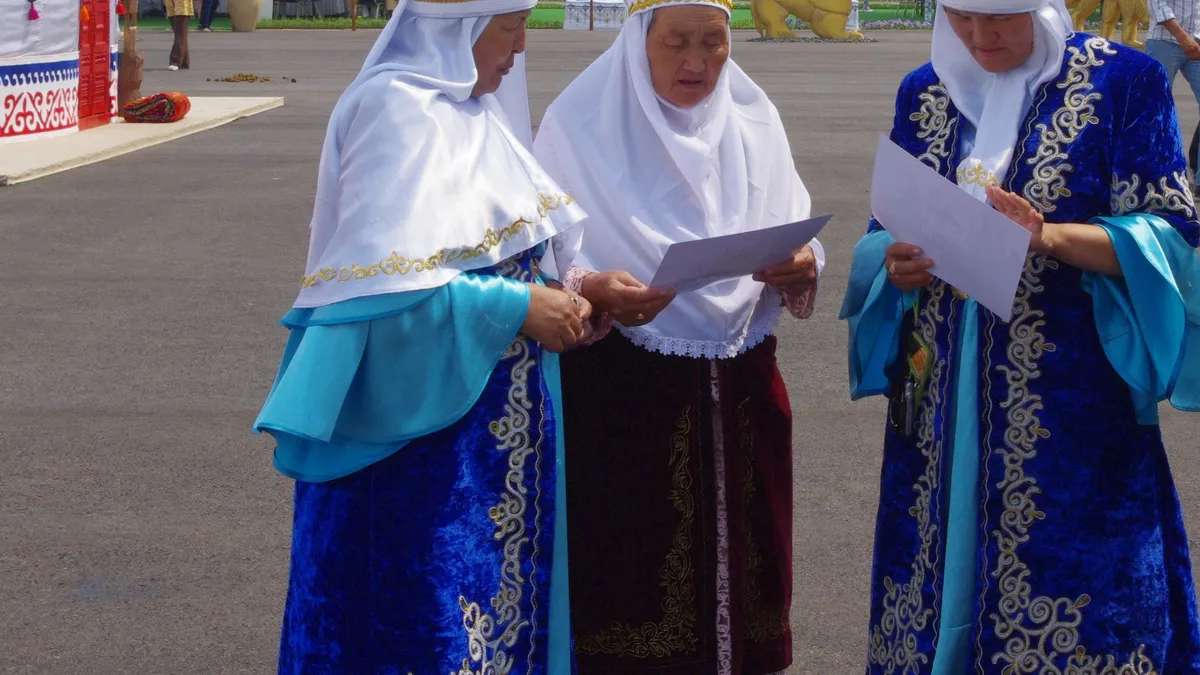
culture
Kazakhstan Women: Culture, Rights, Careers & Real Life (2026)
66% employment rate, horseback nomadic equality, modern careers, dating, and safety. Honest perspective from a local Kazakh, not a dating site.
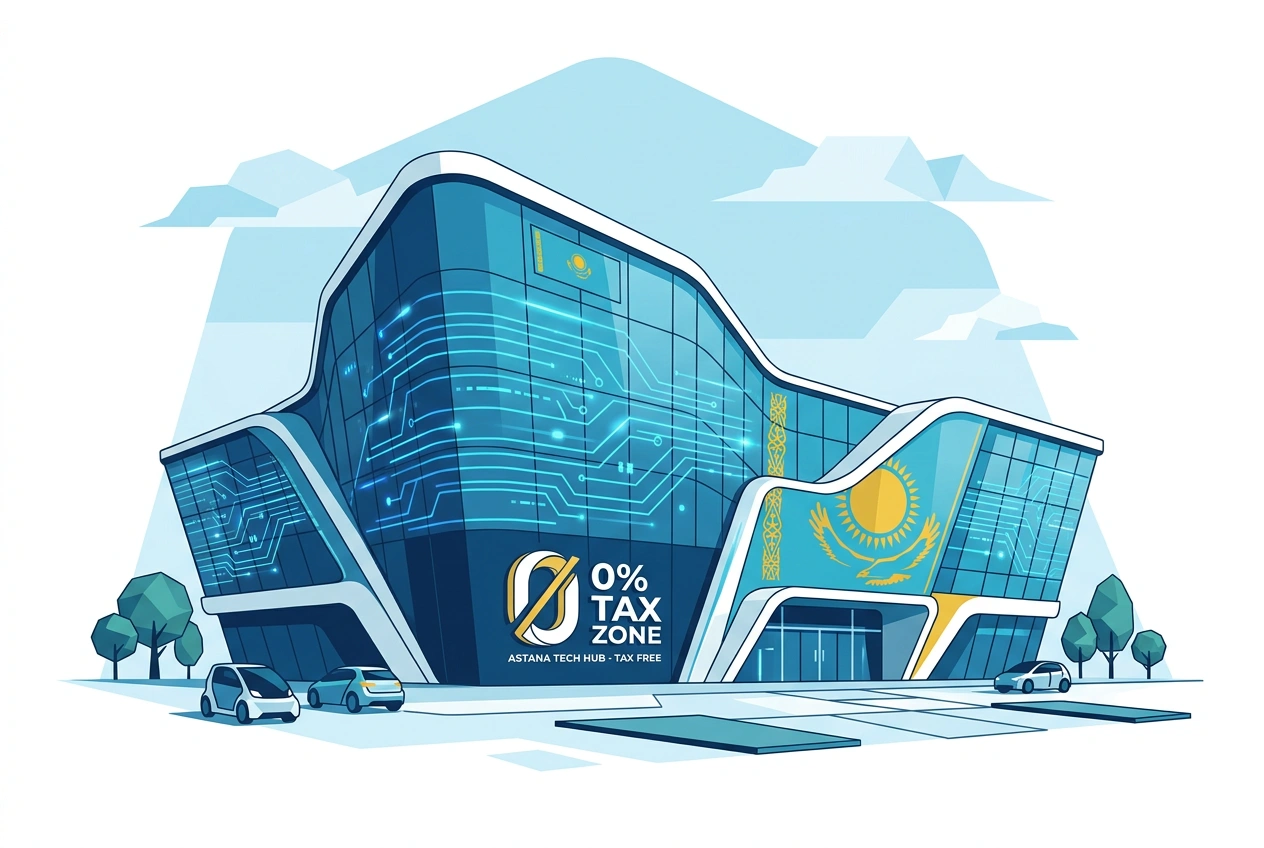
facts
Astana Hub: 0% Tax for IT Companies in Kazakhstan (2026)
Astana Hub: 0% corporate tax, 0% VAT for IT companies until 2029. Registration, requirements, 1,700+ members, comparison with Dubai and Estonia.

facts
Kazakhstan Economy: GDP, Oil, Industries & Growth in 2026
Kazakhstan economy: $260B GDP, world's #1 uranium producer, massive oil reserves, and Vision 2050 goals. Industries, trade partners, and growth data.