Silk Road Kazakhstan: Cities, Routes & Sites
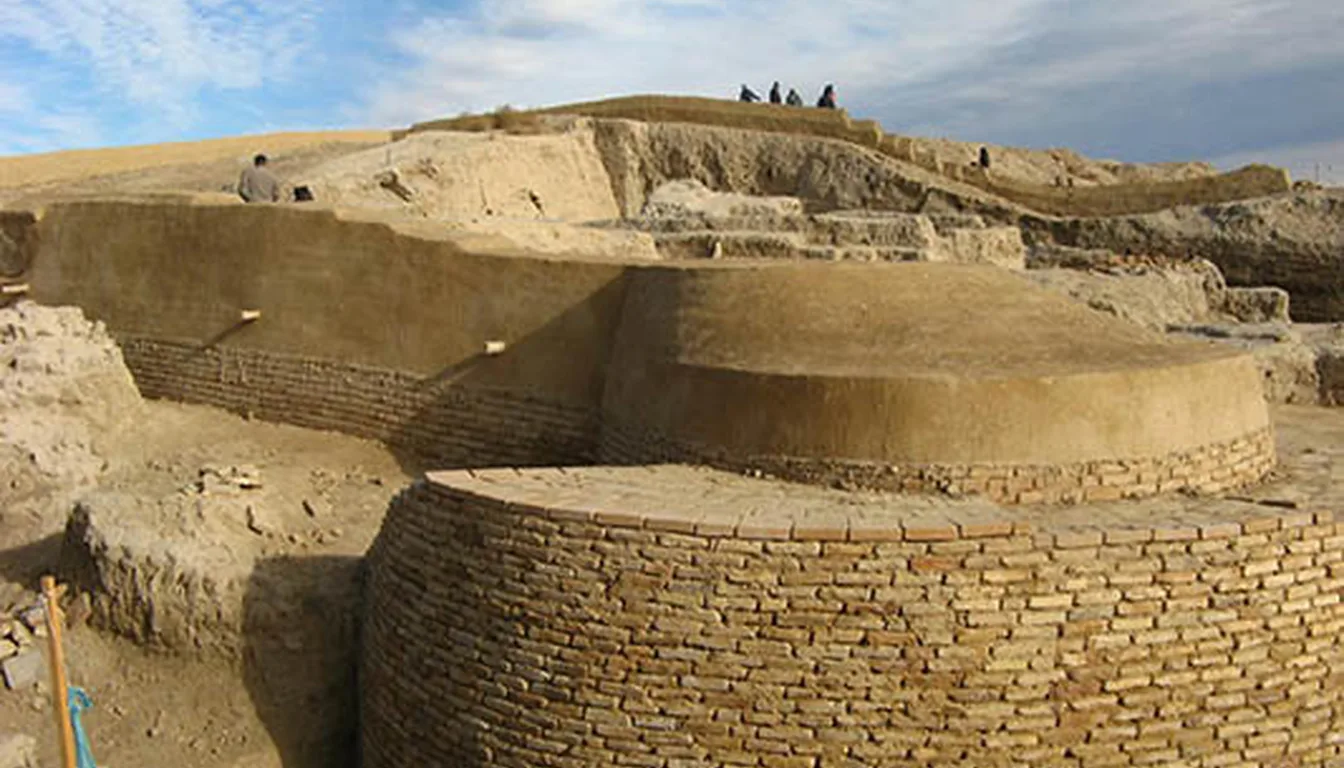
The Silk Road passed through Kazakhstan for over 1,500 years along multiple routes, connecting China to the Mediterranean through cities like Turkestan, Otrar, Taraz, and Sauran. Kazakhstan’s most important Silk Road site is the Mausoleum of Khoja Ahmed Yasawi in Turkestan, a UNESCO World Heritage Site built by Timur in the 14th century. Today travelers can visit these ancient cities by train from Almaty or Shymkent, following the same routes that once carried silk, spices, horses, and ideas between East and West.
Kazakhstan sat at the geographic heart of the Silk Road network, and the trade that flowed through its territories shaped everything from religion and architecture to food and music. Understanding the Silk Road is essential context for understanding Kazakh culture and why Kazakhstan has always been a crossroads civilization. This guide covers the history, the key sites, and exactly how to visit them today.
What Was the Silk Road
The Silk Road was not a single road. It was a shifting network of overland and maritime trade routes that connected East Asia to Europe and the Middle East from roughly the 2nd century BCE to the 15th century CE. According to Britannica’s entry on the Silk Road, the German geographer Ferdinand von Richthofen coined the term “Seidenstrasse” (Silk Road) in 1877, but the trade networks themselves were ancient.
Key Facts
| Aspect | Details |
|---|---|
| Active period | ~130 BCE to ~1450 CE |
| Total length | ~6,400 km (overland) |
| Kazakhstan section | ~3,000 km across southern and central regions |
| Primary goods | Silk, spices, horses, metals, glass, paper, gunpowder |
| Primary ideas | Buddhism, Islam, Christianity, Manichaeism, writing systems |
| Peak trading period | 7th-13th centuries CE |
| Decline | Mongol invasions, rise of maritime trade, Ottoman expansion |
The Silk Road moved far more than silk. As National Geographic notes, it was the internet of the ancient world, a network for transmitting goods, technologies, religions, languages, diseases, and artistic traditions across Eurasia.
Why Kazakhstan Was Central to the Silk Road
Three geographic factors made Kazakhstan unavoidable for overland Eurasian trade:
1. Position between civilizations. Kazakhstan sits between China to the east, Russia to the north, the Islamic world to the south, and Europe to the west. Any east-west overland route through Central Asia had to cross Kazakh territory.
2. Mountain passes. The Tian Shan and Altai mountain ranges contain passes that were the only practical routes for caravans traveling between the Tarim Basin (western China) and the Central Asian steppe. The Dzungarian Gate, a mountain pass between Kazakhstan and China, was one of the most important corridor points on the entire Silk Road.
3. Oasis cities along rivers. The Syr Darya river and its tributaries supported a chain of oasis cities in southern Kazakhstan that provided water, food, shelter, and markets for merchants. Without these cities, crossing the steppe was nearly impossible.
For a broader overview of how this territory evolved politically, see our Kazakhstan history timeline.
Major Silk Road Cities in Kazakhstan
Turkestan (Yasi)
Turkestan is the most important surviving Silk Road city in Kazakhstan and the country’s spiritual capital. Located in the Turkestan Region of southern Kazakhstan, it served as a major trading post, religious center, and political hub for over a millennium.
The Mausoleum of Khoja Ahmed Yasawi is the centerpiece. Built by Timur (Tamerlane) in 1389-1405, this massive structure is one of the best-preserved examples of Timurid architecture outside Samarkand. UNESCO inscribed it as a World Heritage Site in 2003, citing its construction techniques, decorative tile work, and historical significance.
| Mausoleum Details | Information |
|---|---|
| Built | 1389-1405 CE |
| Commissioned by | Timur (Tamerlane) |
| Dedicated to | Khoja Ahmed Yasawi (Sufi mystic, 1093-1166) |
| Dimensions | 46.5 x 65.5 meters, dome height 44 meters |
| UNESCO inscription | 2003 |
| Significance | Largest surviving Timurid building, prototype for Samarkand architecture |
Khoja Ahmed Yasawi was a 12th-century Sufi mystic whose teachings profoundly shaped Islam across Central Asia. His poetry and philosophy, written in Turkic rather than Arabic or Persian, made Islamic teachings accessible to nomadic Turkic peoples. His mausoleum became the most important pilgrimage site in the Kazakh steppe.
Modern Turkestan has been extensively developed since 2018 as part of a government program to create a major cultural tourism destination. The restored Silk Road complex includes museums, reconstructed caravanserais, public spaces, and new infrastructure.
Otrar (Farab)
Otrar was one of the largest and most strategically important cities on the Silk Road through Kazakhstan. At its peak in the 10th-12th centuries, it had an estimated population of 20,000-40,000 people and controlled the key junction where the Syr Darya route met routes coming from the Tian Shan passes.
Otrar holds two major historical claims:
Birthplace of Al-Farabi (870-950 CE). Abu Nasr al-Farabi, born in Otrar (then called Farab), was one of the greatest philosophers of the Islamic Golden Age. According to Britannica’s biography of Al-Farabi, known as “The Second Teacher” (after Aristotle), his works on logic, political philosophy, music theory, and metaphysics shaped both Islamic and European thought for centuries.
Trigger of the Mongol invasion. In 1218, the governor of Otrar executed a Mongol trade caravan of 450 merchants, accusing them of espionage. Genghis Khan sent ambassadors to demand justice; the Khwarezmian Shah executed them too. The result was the Mongol invasion of 1219-1221, one of the most destructive military campaigns in human history. Otrar was besieged for five months before falling.
Today: Otrar is an archaeological site approximately 15 km northwest of Turkestan. Excavations have revealed city walls, a citadel, residential quarters, irrigation canals, ceramic workshops, and artifacts spanning centuries. The site is open to visitors.
Taraz
Taraz, located in the Jambyl Region near the Kyrgyz border, is one of the oldest continuously inhabited cities in Central Asia, with archaeological evidence of settlement going back over 2,000 years. During the Silk Road era, it was known as “the city of merchants” and was famous for its textiles, metalwork, and busy bazaars.
Key historical monuments in Taraz:
- Aisha-Bibi Mausoleum (12th century), one of the most ornately decorated medieval structures in Kazakhstan, covered in terracotta tiles with geometric and floral patterns. Legend attributes it to a love story
- Karakhan Mausoleum (11th century), tomb of a Karakhanid ruler
- Tekturmas Mausoleum, overlooking the Talas River
- Regional Museum, covering the city’s 2,000+ year history
Sauran
Sauran was a fortified city near Turkestan that served as a major Silk Road stop from the 6th to 18th centuries. Its distinctive double walls, towers, and sophisticated water supply system (underground canals called kayriz) made it one of the most impressive medieval fortifications in Central Asia.
The ruins are partially restored and accessible from Turkestan by car (approximately 40 km). The double wall circuit and tower foundations are clearly visible and give a sense of the city’s former scale.
Almaty Region
The area around modern Almaty was the southeastern entry point for Silk Road routes coming through the Tian Shan mountain passes from China. Archaeological sites in the region include:
- Saka burial mounds (kurgans) containing gold artifacts reflecting trade-generated wealth
- The Golden Man (Altyn Adam), a Saka warrior buried with 4,000+ gold pieces near Issyk
- Medieval settlements along the Ile (Ili) River valley
- Talgar, a medieval trade settlement and now a UNESCO World Heritage Site (inscribed 2014 as part of the “Silk Roads: the Routes Network of Chang’an-Tianshan Corridor”)
Silk Road Routes Through Kazakhstan
| Route Name | Path | Key Kazakhstan Stops | Period |
|---|---|---|---|
| Syr Darya Route | Along the river through southern KZ | Otrar, Turkestan, Sauran, Taraz | 2nd c. BCE - 15th c. CE |
| Tian Shan Route | Through mountain passes from China | Almaty region, Talgar, into Semirechye | 2nd c. BCE - 13th c. CE |
| Dzungarian Gate Route | Northern pass from China to steppe | Eastern KZ, then west across steppe | 6th - 13th c. CE |
| Steppe Route | Across central Kazakhstan | Connected southern cities to northern markets | 7th - 12th c. CE |
These were not fixed highways. Routes shifted with political conditions, seasonal water availability, nomadic migrations, and the rise and fall of cities. A merchant might take the Syr Darya route one year and the Tian Shan route the next, depending on which kingdoms were stable and which passes were safe.
What Was Traded Through Kazakhstan
Goods Moving West (from China)
- Silk. The route’s namesake, valued across the Roman and later Islamic worlds
- Porcelain. Chinese ceramics found throughout Silk Road cities in Kazakhstan
- Paper. Chinese papermaking technology reached Central Asia by the 8th century (the Battle of Talas in 751 CE, fought near modern Taraz, is traditionally credited with transmitting papermaking to the Islamic world)
- Tea became a staple of Kazakh culture
- Gunpowder and compass technology transmitted westward through Central Asian intermediaries
Goods Moving East (to China)
- Glass. Roman and later Islamic glassware was highly valued in China
- Gold and silver from Western and Central Asian mines
- Textiles. Wool, cotton, and linen from the Islamic world
- Gemstones. Lapis lazuli, turquoise, rubies from Central and South Asia
Kazakhstan’s Own Contributions
- Horses. Kazakh steppe horses were highly valued by Chinese armies and civilians
- Leather and wool. Nomadic pastoralist products
- Meat and dairy. Dried meat and kumis (fermented mare’s milk) for caravans
- Metals. Copper, tin, and gold from Kazakh mountain deposits
Caravanserais: The Hotels of the Silk Road
Caravanserais were roadside inns built along Silk Road routes, typically spaced one day’s journey apart (approximately 30-40 km). They offered:
- Enclosed courtyards for camels and horses
- Sleeping quarters for merchants
- Storage for trade goods
- Water wells or cisterns
- Sometimes a small mosque or prayer room
- Market stalls where local and long-distance goods could be exchanged
In Kazakhstan, caravanserai remains have been found along the Syr Darya route between Otrar and Turkestan. The restored Silk Road complex in modern Turkestan includes a reconstructed caravanserai that gives visitors a sense of what these facilities looked like.
The Silk Road and Kazakh Culture
The Silk Road did not just move goods. It transmitted ideas, religions, technologies, and art forms that fundamentally shaped what became Kazakh culture:
- Islam spread to the Kazakh steppe partly through Silk Road contacts, particularly through Sufi teachers like Khoja Ahmed Yasawi
- Tea culture. Chinese tea, carried by Silk Road merchants, became central to Kazakh hospitality traditions
- Architecture. Timurid and Persian building techniques visible in Turkestan’s monuments
- Food. Plov (pilaf), naan bread, spice use, and dried fruit traditions entered Kazakh cuisine through Silk Road exchange. See our guide to Kazakhstan food
- Writing systems. Turkic runic, Arabic, and Persian scripts all arrived through trade contacts
- Music. Stringed instrument traditions show both Chinese and Persian influences
- Textile patterns. Geometric and animal motifs in Kazakh textiles reflect Silk Road cultural mixing
The Modern Silk Road: Belt and Road Initiative
China’s Belt and Road Initiative (BRI), launched in 2013, explicitly invokes the Silk Road and positions Kazakhstan as a key transit country. Modern “Silk Road” infrastructure through Kazakhstan includes:
| Project | Description | Status |
|---|---|---|
| Khorgos Gateway | Dry port on China-Kazakhstan border | Operational since 2015 |
| Western Europe-Western China highway | 8,445 km road corridor | Completed through KZ |
| Trans-Caspian railway | Rail link from China through KZ to Turkey/Europe | Operational |
| Astana International Financial Centre | Financial hub modeled on Dubai/Singapore | Operational since 2018 |
| Turkestan tourism development | Major cultural tourism investment | Ongoing since 2018 |
Kazakhstan processes approximately 80% of China-Europe overland freight transit, making it the most important BRI corridor country. The historical parallel is deliberate and politically resonant.
How to Visit Silk Road Sites Today
Turkestan
Getting there:
- Train from Almaty: 12-14 hours, comfortable sleeper cars, approximately 5,000-8,000 KZT ($10-16)
- Train from Shymkent: 3-4 hours, approximately 2,000 KZT ($4)
- Domestic flight: FlyArystan operates Almaty-Turkestan flights (1.5 hours, from $30)
- By car from Shymkent: 2-3 hours via the M39 highway
What to see: Mausoleum of Khoja Ahmed Yasawi, restored Silk Road complex, Otrar archaeological site (15 km away), Sauran ruins (40 km away). Allow 1-2 full days.
Taraz
Getting there:
- Domestic flight from Almaty: 1.5 hours
- By car from Shymkent: 3-4 hours
- Train: Connections from Almaty and Shymkent
What to see: Aisha-Bibi Mausoleum, Karakhan Mausoleum, Tekturmas, regional museum, city bazaar. Allow 1 day.
Almaty Region Sites
Getting there: Car or taxi from Almaty. The Golden Man museum at the Central State Museum is in the city center. Issyk kurgan site is 50 km east (1 hour drive). Talgar settlement is 25 km east.
What to see: Central State Museum (Golden Man artifacts), Issyk kurgan complex, Talgar medieval settlement. Allow 1-2 days.
Suggested Silk Road Itinerary
| Day | Location | Activities |
|---|---|---|
| 1 | Almaty | Central State Museum, Golden Man exhibits |
| 2 | Issyk/Talgar | Kurgan site, Talgar UNESCO site |
| 3 | Train to Turkestan | Overnight sleeper from Almaty |
| 4 | Turkestan | Yasawi Mausoleum, Silk Road complex |
| 5 | Otrar + Sauran | Day trips from Turkestan |
| 6 | Taraz | Aisha-Bibi, Karakhan Mausoleum |
| 7 | Return | Fly from Taraz or drive to Shymkent |
For a complete list of destinations across the country, see our guide to places to visit in Kazakhstan and things to do in Kazakhstan.
UNESCO Silk Road Sites in Kazakhstan
Kazakhstan has three UNESCO World Heritage sites directly connected to the Silk Road:
- Mausoleum of Khoja Ahmed Yasawi, Turkestan (inscribed 2003), masterpiece of Timurid architecture
- Silk Roads: the Routes Network of Chang’an-Tianshan Corridor (inscribed 2014), transnational nomination including Talgar, Kayalyk, Karamergen, Aktobe, and Akyrtas sites in Kazakhstan
- Petroglyphs within the Archaeological Landscape of Tamgaly (inscribed 2004). While predating the Silk Road, this Bronze Age rock art site connects to the broader Central Asian cultural landscape
Kazakhstan has additional sites on the UNESCO tentative list related to Silk Road heritage, including Otrar, Sauran, and several medieval urban sites along the Syr Darya.
Frequently Asked Questions
- Did the Silk Road go through Kazakhstan?
- Yes. Multiple Silk Road routes crossed Kazakhstan for over 1,500 years (approximately 2nd century BCE to 15th century CE). The Syr Darya route, Tian Shan route, and Dzungarian Gate route all passed through Kazakh territory, making it one of the most important transit zones between China and the Western world. Major Silk Road cities in Kazakhstan include Turkestan, Otrar, Taraz, and Sauran.
- What is the most important Silk Road site in Kazakhstan?
- Turkestan, home to the Mausoleum of Khoja Ahmed Yasawi (UNESCO World Heritage Site, built 1389-1405 by Timur), is the most important and best-preserved Silk Road site in Kazakhstan. The surrounding restored Silk Road complex includes museums, a reconstructed caravanserai, and public spaces. Turkestan is accessible by train from Almaty or Shymkent and by FlyArystan flights.
- How do I get to Turkestan from Almaty?
- The most common options are overnight train (12-14 hours, sleeper cars, 5,000-8,000 KZT), domestic flight on FlyArystan (1.5 hours, from $30), or driving via Shymkent (10-12 hours total). The train is the most popular choice for budget travelers, while the flight saves a full day of travel.
- What goods were traded on the Silk Road through Kazakhstan?
- Goods moving westward included Chinese silk, porcelain, paper, tea, and gunpowder. Goods moving eastward included glass, gold, silver, textiles, and gemstones. Kazakhstan itself contributed horses (highly valued by Chinese armies), leather, wool, meat, dairy products, and metals from local mines.
- Is Kazakhstan part of the Belt and Road Initiative?
- Yes. Kazakhstan is the most important transit country for China's Belt and Road Initiative, processing approximately 80% of China-Europe overland freight. Key BRI projects in Kazakhstan include the Khorgos Gateway dry port on the Chinese border, the Western Europe-Western China highway corridor, and the Trans-Caspian railway connecting China to Turkey and Europe.
- How many days do I need to see Silk Road sites in Kazakhstan?
- A minimum of 3-4 days covers Turkestan (Yasawi Mausoleum, Otrar, Sauran) and the Almaty region sites (Central State Museum, Issyk kurgan). A week-long itinerary adds Taraz and allows more time at each location. Turkestan alone deserves 1-2 full days to properly explore the mausoleum and surrounding Silk Road complex.
Last verified: March 2026
More Stories
facts
28 Facts About Kazakhstan That Surprise Everyone (2026)
Kazakhstan facts: world's 9th largest country, launched the first man in space, birthplace of apples, and 25 more truths with verified stats and sources.
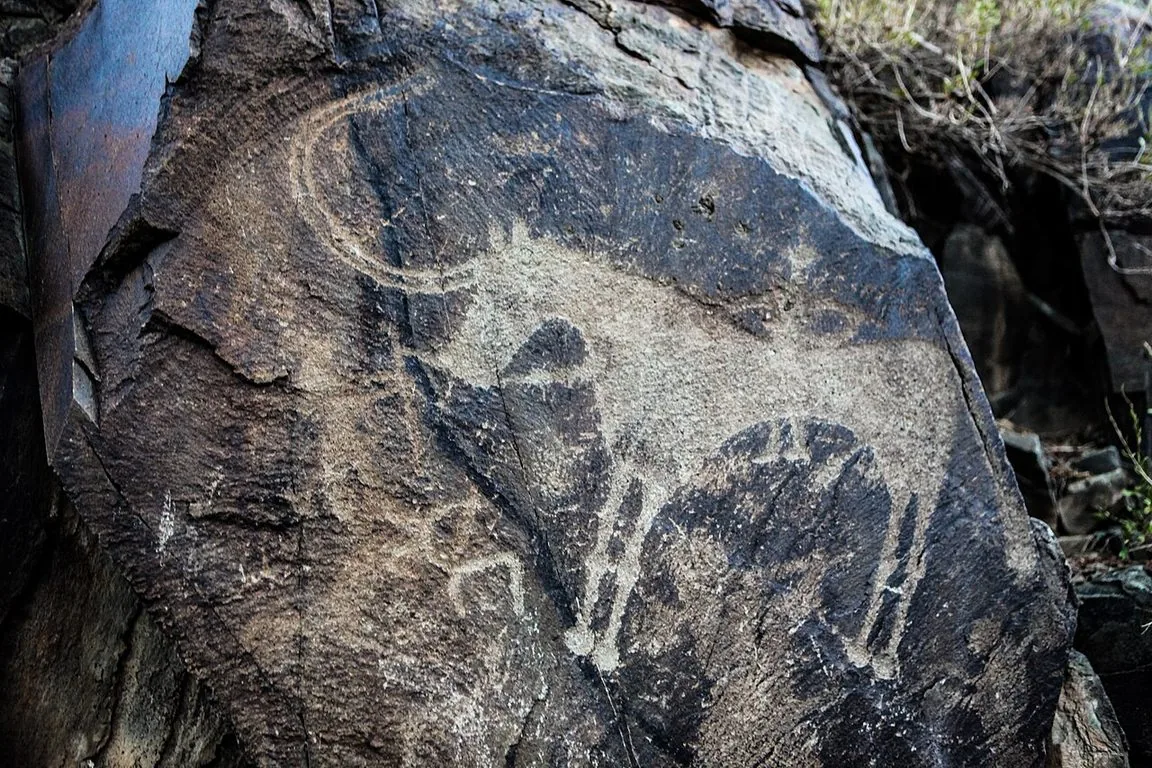
history
Kazakhstan History Timeline: Ancient Nomads to Modern Nation
Complete Kazakhstan history timeline — Saka warriors, Kazakh Khanate, Russian colonization, Soviet famine, nuclear tests, independence, and 2022 protests.
history
Kazakh Khanate (1465-1847): Complete History of 15 Khans & 3 Juz
Kazakh Khanate: founded 1465 by Janibek and Kerei Khan. 382-year nomadic empire, Golden Age under Kasym Khan, three juz system, Russian annexation 1847.