Popular Food in Kazakhstan: Kazakh Cuisine Guide
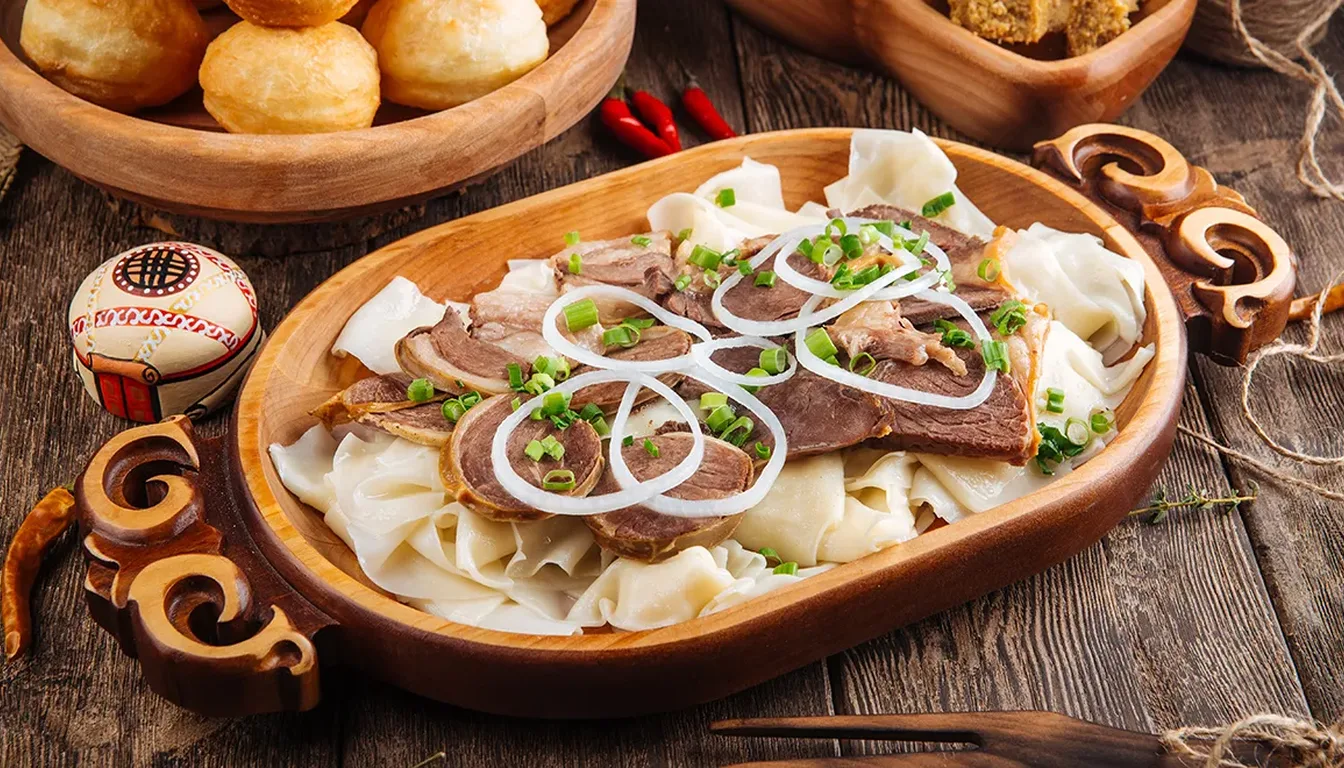
The most popular food in Kazakhstan includes beshbarmak (the national dish of boiled meat and noodles), kazy (horse meat sausage), baursaki (fried dough served at every gathering), kumis (fermented mare’s milk), and plov (Central Asian rice pilaf). According to UNESCO’s Intangible Cultural Heritage documentation, Kazakh cuisine grew from centuries of nomadic tradition where meat, dairy, bread, and broth formed the foundation of survival on the vast steppe. Today these dishes remain central to daily life, celebrations, and the hospitality that defines Kazakh culture.
This guide covers 18 popular foods in Kazakhstan organized by category (meat dishes, soups, breads and pastries, dairy products, rice dishes, and drinks) with descriptions, key ingredients, cultural significance, and where travelers can try each one.
Quick Reference: Popular Kazakh Dishes at a Glance
| Dish | Category | Key Ingredient | Ease of Finding |
|---|---|---|---|
| Beshbarmak | Meat | Horse or lamb, flat noodles | Very easy, every restaurant |
| Kazy | Meat | Horse meat sausage | Easy, bazaars, festive meals |
| Kuurdak | Meat | Fried organ meats, onion | Easy, traditional restaurants |
| Shuzhuk | Meat | Horse meat, fat | Moderate, bazaars, celebrations |
| Sorpa | Soup | Meat broth, vegetables | Very easy, served with most meals |
| Nauryz Kozhe | Soup | Seven ingredients, grain, dairy | Seasonal, March only |
| Baursaki | Bread | Fried dough | Very easy, everywhere |
| Shelpek | Bread | Thin fried flatbread | Easy, tea tables, bazaars |
| Samsa | Pastry | Meat, onion, pastry shell | Very easy, street stalls |
| Tandyr Nan | Bread | Clay-oven flatbread | Easy, bakeries, bazaars |
| Plov | Rice | Rice, lamb, carrots, spices | Very easy, cafeterias, restaurants |
| Manty | Dumpling | Meat, onion, steamed dough | Very easy, restaurants, canteens |
| Kumis | Dairy drink | Fermented mare’s milk | Moderate, seasonal, bazaars |
| Shubat | Dairy drink | Fermented camel’s milk | Moderate, southern regions |
| Kurt | Dairy snack | Dried salted cheese balls | Very easy, bazaars, roadside |
| Irimshik | Dairy | Sweet pressed cottage cheese | Moderate, bazaars, homestays |
| Chai (tea) | Drink | Black tea with milk | Universal, every meal |
| Lagman | Noodle soup | Hand-pulled noodles, vegetables | Easy, Almaty, Shymkent |
Meat Dishes: The Heart of Kazakh Cuisine
Based on Food and Agriculture Organization (FAO) data on per-capita meat consumption, meat dominates Kazakh cuisine more than almost any other food tradition in the world. Horse meat and lamb are the most prestigious proteins, followed by beef. The emphasis on meat traces directly back to nomadic life on the Kazakh steppe, where herding animals across vast grasslands made livestock the primary food source for centuries.
Beshbarmak, The National Dish
Beshbarmak is the single most important dish in Kazakhstan and the undisputed national food. The name translates to “five fingers” because it was traditionally eaten with the hands. It consists of large flat noodles (rolled and boiled fresh) topped with boiled meat (typically horse, lamb, or beef) and drenched in a rich onion sauce called tuzdyk. A bowl of the cooking broth (sorpa) is served alongside.
Ingredients: Flat pasta sheets, boiled meat (horse, lamb, or beef), onions, meat broth, salt, and black pepper.
Cultural significance: Beshbarmak is far more than a meal. It is a ritual. At traditional Kazakh gatherings, the host serves specific cuts of meat to specific guests based on their age, status, and relationship to the family. The eldest guest receives the head of the animal, a sign of highest respect. Refusing beshbarmak at a Kazakh home is considered deeply disrespectful.
Where to try: Every traditional restaurant in Kazakhstan serves beshbarmak. In Almaty, head to Zheti Kazyna, Alasha, or Gakku for authentic versions. At the Green Bazaar, several canteen-style eateries serve it daily. In Astana, try Arnau or Line Brew for upscale preparations.
Kazy, Horse Meat Sausage
Kazy is a dry-cured sausage made from horse rib meat stuffed into natural intestine casings and either smoked or air-dried. It has a rich, slightly gamey flavor with a distinctive marbling of fat that melts on the tongue. Kazy is sliced thin and served cold as an appetizer or alongside beshbarmak at celebrations.
Ingredients: Horse rib meat, horse fat, natural casing, salt, black pepper, garlic.
Cultural significance: Horse meat holds a sacred place in Kazakh food culture. Kazy is always present at weddings, funerals, and major holidays like Nauryz. Families in rural Kazakhstan still prepare kazy at home during the autumn slaughter season (sogym), when a horse is butchered and the meat preserved for winter.
Where to try: Bazaars in every Kazakh city sell kazy. The Green Bazaar in Almaty has the widest selection. Traditional restaurants serve it sliced as a cold appetizer. For the freshest kazy, visit during late autumn when sogym season is underway.
Kuurdak, Fried Meat with Onions
Kuurdak is a hearty pan-fried dish made from meat (usually lamb or beef liver, kidney, heart, and lung) cooked with onions and potatoes. It is one of the most practical and common everyday dishes in Kazakhstan: quick to prepare, filling, and economical.
Ingredients: Organ meats or regular cuts of lamb/beef, onions, potatoes, oil, salt, pepper.
Cultural significance: Kuurdak is traditionally the first dish prepared after an animal is slaughtered, using the organ meats that cannot be preserved. It represents the practical, waste-nothing philosophy of nomadic Kazakh cooking.
Where to try: Traditional restaurants and home-style canteens across Kazakhstan. It is especially common in rural areas and smaller cities where traditional cooking methods persist.
Shuzhuk, Smoked Horse Sausage
Shuzhuk is another horse meat sausage, distinct from kazy in that it uses a mixture of meat and fat from various parts of the horse rather than rib meat specifically. It is typically shorter, fatter, and has a smokier flavor than kazy.
Ingredients: Mixed horse meat, horse fat, natural casing, salt, spices.
Cultural significance: Like kazy, shuzhuk is prepared during sogym and stored for winter consumption. It features prominently at holiday feasts and as part of the traditional meat platter served to honored guests.
Where to try: Bazaars throughout Kazakhstan, traditional restaurants, and at family celebrations if you are fortunate enough to receive an invitation.
Soups and Broths
Soup and broth play an essential role in Kazakh cuisine, partly because broth is a natural byproduct of boiling meat for beshbarmak, and partly because hot liquid is vital during the harsh Kazakh winters when temperatures plummet to minus 30 degrees Celsius. According to Bureau of National Statistics of Kazakhstan, Kazakhstan’s food processing industry processes over 1,200,000 tonnes of meat annually, with horse meat and lamb accounting for approximately 35% of all ceremonially significant preparations.
Sorpa, Meat Broth
Sorpa is the rich, aromatic broth produced by slow-boiling meat and bones for several hours. It is served in a bowl (kese) alongside beshbarmak or on its own as a starter. Good sorpa has a clear golden color, a deep meaty flavor, and a thin layer of fat on the surface.
Ingredients: Meat and bones (horse, lamb, or beef), water, salt, sometimes onion and carrot.
Cultural significance: Sorpa is considered medicinal in Kazakh culture. It is given to the sick, to new mothers after childbirth, and to anyone recovering from illness. The depth of the broth reflects the skill and generosity of the cook.
Where to try: Sorpa comes automatically with beshbarmak at any traditional restaurant. It is also sold on its own at bazaar food stalls and canteens. Any traditional Kazakh restaurant in Almaty will serve an authentic bowl.
Nauryz Kozhe, The Celebration Soup
Nauryz kozhe is a fermented grain-and-dairy soup prepared specifically for Nauryz, the Kazakh New Year celebrated on March 22, which UNESCO inscribed on the Representative List of the Intangible Cultural Heritage of Humanity in 2016. It must contain exactly seven ingredients, symbolizing the seven days of the week and completeness.
Ingredients: Seven components, typically including wheat or barley grain, kurt (dried cheese), meat, water, salt, onion, and fermented milk (ayran or kefir). Variations exist by region.
Cultural significance: Nauryz kozhe is the centerpiece of the Nauryz holiday table. Serving it represents hope for abundance in the coming year. During Nauryz celebrations in every city and village, large cauldrons of nauryz kozhe are prepared and distributed free to everyone. Learn more about this tradition in our guide to Kazakh traditions.
Where to try: Only available around March 22 during Nauryz celebrations. Every public square, park, and community center in Kazakhstan offers it during the festival.
Breads and Pastries
Bread is sacred in Kazakh culture. Dropping bread on the floor is considered a bad omen, and throwing bread away is unthinkable in traditional households. According to World Bank data, Kazakhstan produces over 11,000,000 tonnes of grain annually, accounting for roughly 8% of global wheat exports, making wheat-based foods a cornerstone of the national diet. Several distinct types of bread and pastry anchor every Kazakh meal.
Baursaki, Fried Dough Pillows
Baursaki are small pieces of yeasted dough deep-fried until golden and puffy. They are the single most ubiquitous food item at any Kazakh table, present at every celebration, every family gathering, every tea session, and most restaurant meals.
Ingredients: Flour, yeast, milk or water, sugar, salt, egg, oil for frying.
Cultural significance: Baursaki are inseparable from Kazakh hospitality. When guests arrive, the table is set with tea, dried fruits, sweets, and a towering plate of baursaki before anything else is discussed. The quantity of baursaki reflects the host’s generosity. They are also placed at the center of the dastarkhan (traditional table spread) at weddings, funerals, and religious gatherings.
Where to try: Literally everywhere in Kazakhstan. Every restaurant, every cafe, every home, every bazaar. In Almaty, bakeries near the Green Bazaar sell fresh baursaki by the kilogram.
Shelpek, Thin Fried Flatbread
Shelpek are thin, round flatbreads fried in oil. They are softer and flatter than baursaki and are traditionally prepared in sets of seven, again representing completeness and the days of the week.
Ingredients: Flour, water or milk, salt, oil for frying.
Cultural significance: Shelpek are prepared every Friday in many Kazakh Muslim households as a form of remembrance for deceased relatives. They are also present at memorial gatherings (as) and on the dastarkhan at celebrations. The act of frying shelpek and sharing them with neighbors is a weekly ritual in traditional families.
Where to try: Tea tables at traditional restaurants, bazaars, and homestays across Kazakhstan.
Samsa, Baked Meat Pastries
Samsa are triangular or round baked pastries filled with seasoned meat (usually lamb) and onion, cooked in a tandyr (clay oven) or regular oven. According to Britannica’s coverage of Central Asian cuisine, they are among the most popular street foods across the region.
Ingredients: Flaky pastry dough, minced lamb or beef, onion, cumin, salt, pepper.
Cultural significance: Samsa bridges Kazakh and Uzbek culinary traditions. In southern Kazakhstan (Shymkent, Turkistan), samsa tends to be larger and spicier, showing Uzbek influence. In Almaty and the north, they are smaller and milder.
Where to try: Every bakery and street corner in Kazakhstan sells samsa. The best samsa is baked fresh in a tandyr oven, so look for bakeries with visible clay ovens. Shymkent produces arguably the best samsa in the country.
Tandyr Nan, Clay Oven Bread
Tandyr nan is round flatbread baked in a traditional clay oven (tandyr). It has a crispy exterior, soft interior, and a distinctive stamped pattern on top. It is the everyday bread of Kazakhstan and Central Asia.
Ingredients: Flour, water, yeast, salt, sometimes onion or sesame seeds on top.
Cultural significance: Tandyr nan is bought fresh daily and eaten with every meal. In bazaars, nan vendors stack their bread in tall towers. Breaking nan by hand (never cutting with a knife) and sharing it is a fundamental part of Kazakh table etiquette.
Where to try: Every bazaar has nan vendors. In Almaty, the Green Bazaar and Zelyony Bazaar have excellent fresh tandyr nan. Watch bakers pull it from the clay oven for the freshest experience.
Dairy Products: Nomadic Heritage
Dairy is the second pillar of Kazakh cuisine after meat. Nomadic Kazakhs relied on the milk of horses, camels, cows, sheep, and goats, developing fermentation and preservation techniques that remain in use today. According to Bureau of National Statistics of Kazakhstan, Kazakhstan has approximately 6,500,000 cattle and 20,000,000 sheep, sustaining the dairy traditions central to Kazakh food culture. These products are an essential part of Kazakh culture.
Kumis, Fermented Mare’s Milk
Kumis is the most famous traditional drink in Kazakhstan, a fermented mare’s milk with a slightly sour, fizzy taste and a mild alcoholic content (around 1-3%). According to Wikipedia’s documented historical sources, it has been consumed on the Central Asian steppe for over 2,500 years and is mentioned in ancient Greek and Chinese sources.
Ingredients: Fresh mare’s milk, natural fermentation cultures.
Cultural significance: Kumis is considered a health drink and a symbol of the nomadic lifestyle. Kazakh families in rural areas still keep mares specifically for kumis production during summer months. Kumis cure (kumis therapy) was historically prescribed for tuberculosis and digestive problems, and kumis sanatoriums still operate in Kazakhstan today.
Where to try: Roadside stands along highways during summer months (May through September), bazaars, and traditional restaurants. The freshest kumis comes from rural areas and the steppe regions. Almaty’s Green Bazaar sells it in the dairy section. For a deeper experience, visit during Nauryz when kumis flows freely at every celebration.
Shubat, Fermented Camel’s Milk
Shubat is fermented camel’s milk, thicker and creamier than kumis, with a stronger sour flavor. It is particularly common in the desert and semi-desert regions of southern and western Kazakhstan where camels are still herded.
Ingredients: Fresh camel’s milk, natural fermentation cultures.
Cultural significance: Shubat is valued even more highly than kumis in some regions for its supposed medicinal properties. It is rich in vitamins and is traditionally given to people recovering from illness. Camel herding remains important in the Mangystau, Kyzylorda, and Turkistan regions.
Where to try: Southern and western Kazakhstan: Shymkent, Turkistan, Aktau. In Almaty, some bazaar vendors carry it, but it is less common than kumis.
Kurt, Dried Cheese Balls
Kurt are small, hard, salty balls of dried fermented cheese. They are one of the most ancient preserved foods in Kazakh cuisine: lightweight, non-perishable, and packed with protein, making them the perfect nomadic travel food.
Ingredients: Fermented cow’s, sheep’s, or goat’s milk, salt.
Cultural significance: Kurt was the original portable food of the steppe. Kazakh nomads carried it in leather bags during migrations. It could last for months without refrigeration. Today kurt is sold at every bazaar and bus station in Kazakhstan and remains a popular snack, often eaten while drinking tea or beer.
Where to try: Every bazaar, bus station, and roadside stop in Kazakhstan sells kurt. It comes in many varieties, from mild and crumbly to rock-hard and intensely salty. In Almaty, the Green Bazaar has the widest selection. Buy several types and compare.
Irimshik, Sweet Pressed Cheese
Irimshik is a traditional Kazakh cheese made by boiling fresh milk with sour cream or yogurt until the curds separate, then pressing and drying the result. It has a crumbly, slightly sweet flavor and ranges from soft and fresh to hard and dry.
Ingredients: Fresh milk, sour cream or yogurt, sometimes sugar.
Cultural significance: Irimshik represents the Kazakh mastery of dairy preservation. Fresh irimshik is a delicacy served at celebrations, while dried irimshik was another portable food for nomadic travel. The golden color of dried irimshik is considered beautiful and is sometimes given as a gift.
Where to try: Bazaars across Kazakhstan, especially in the dairy sections. Homestays and rural guesthouses often serve fresh irimshik with tea.
Rice Dishes
Plov (Pilaf), The Celebration Rice
Plov is a fragrant rice dish cooked with meat (usually lamb), shredded carrots, onions, and a blend of spices including cumin and sometimes barberries. While it originated in Uzbekistan, plov is deeply embedded in Kazakh cuisine, especially in the southern regions close to the Uzbek border.
Ingredients: Rice, lamb or beef, carrots, onions, oil, cumin, garlic, salt, sometimes chickpeas or raisins.
Cultural significance: Plov is the dish of celebration and large gatherings across Central Asia. At Kazakh weddings, funerals, and community events, enormous cauldrons (kazan) of plov are prepared, sometimes enough to feed hundreds or even thousands of people. The cook who prepares plov for a large gathering, called an oshpaz, holds a respected position.
Where to try: Every cafeteria, canteen, and restaurant in Kazakhstan serves plov. The best plov is found in Shymkent and Turkistan, where Uzbek culinary influence is strongest. In Almaty, try plov at Uzbek restaurants or the food courts at any bazaar. For an in-depth look at Almaty’s food scene, see our guide.
Manty, Steamed Dumplings
Manty are large steamed dumplings filled with minced meat (usually lamb or beef), onion, and sometimes pumpkin. They are cooked in a multi-tiered steamer called a mantyshnitza and served with sour cream, vinegar sauce, or butter.
Ingredients: Dough wrapper, minced lamb or beef, onion, salt, pepper, sometimes pumpkin or potato.
Cultural significance: Manty are a beloved comfort food across Kazakhstan and Central Asia. Every family has their own recipe, and the skill of pleating manty dough into the correct shape is a source of pride. Manty-making is often a communal family activity. For our detailed guide to this dish, see Manty Kazakh: The Complete Guide.
Where to try: Restaurants, canteens, and home kitchens across Kazakhstan. In Almaty, virtually every traditional restaurant and many Korean or Dungan restaurants serve excellent manty. Dungan-style manty (with vinegar and chili oil) are a special treat.
Drinks and Tea Culture
Chai, The Soul of Kazakh Hospitality
Tea is not merely a drink in Kazakhstan. It is the foundation of social life. Kazakhs drink black tea with milk (sometimes with cream or butter) multiple times per day, and every social interaction begins and ends with tea. The phrase “let’s have tea” (shay ishemiz) is the universal invitation.
How it is served: Strong black tea brewed in a pot, poured into a wide piala (handleless cup) filled only one-third full. Filling a cup completely is actually considered rude; it signals you want the guest to leave. A half-filled cup means you care enough to keep refilling it, extending the visit.
Cultural significance: The dastarkhan (tea table spread) is the centerpiece of Kazakh hospitality. Before any meal, the table is covered with baursaki, dried fruits, nuts, sweets, kurt, and candies alongside the tea. Tea time can last for hours and is when family news, community matters, and business are discussed. This ritual is a core part of Kazakh traditions.
Where to experience it: Every restaurant, cafe, and home in Kazakhstan. For the most authentic experience, accept an invitation to a Kazakh family’s home. The dastarkhan they prepare will be one of the most memorable experiences of your trip.
Lagman, Hand-Pulled Noodle Soup
Lagman is a hearty noodle soup with hand-pulled noodles, chunks of meat (beef or lamb), and a savory tomato-based vegetable broth with peppers, tomatoes, onions, and garlic. According to Wikipedia, it traces its origins to the Dungan (Chinese Muslim) and Uyghur communities of Central Asia.
Ingredients: Hand-pulled noodles, beef or lamb, tomatoes, bell peppers, onion, garlic, spices.
Where to try: Almaty is the lagman capital of Kazakhstan, thanks to its large Dungan and Uyghur populations. The area around the Green Bazaar and the Dungan restaurants on Zhibek Zholy have some of the best lagman in Central Asia. Shymkent also has excellent lagman. For more food spots in Almaty, check our guide to things to do in Almaty.
Vegetarian Options in Kazakhstan
Kazakhstan is one of the most meat-centric food cultures in the world, and finding vegetarian food requires some effort, but it is not impossible. Based on Food and Agriculture Organization (FAO) data, per-capita meat consumption in Kazakhstan averages around 82 kg per person per year, placing it among the top 15 countries globally, with approximately 80% of that consumption comprised of beef, lamb, and horse meat. Here are your best options:
- Plov can sometimes be ordered without meat at Uzbek restaurants
- Baursaki and shelpek are naturally vegetarian
- Kurt and irimshik are dairy-based and widely available
- Samsa with pumpkin filling (samsa s tykvoy) exists in southern Kazakhstan
- Lagman can occasionally be prepared vegetarian in Almaty’s international restaurants
- Fresh salads: tomato-cucumber salads are served at most restaurants
- Manty with pumpkin (manty s tykvoy) are available at some restaurants
In Almaty, international restaurants (Korean, Indian, Georgian) offer more vegetarian variety than traditional Kazakh establishments. In smaller cities and rural areas, options are very limited. Consider self-catering with bread, dairy products, fruits, and vegetables from bazaars.
Where to Try Popular Food in Kazakhstan
Almaty, The Food Capital
Almaty offers the widest range of Kazakh food experiences in the country. The Green Bazaar is essential: vendors sell kazy, kurt, baursaki, fresh kumis, dried fruits, and every other traditional product. Traditional restaurants like Zheti Kazyna, Alasha, and Kishlak serve full beshbarmak experiences. The city also has strong Korean, Dungan, Uyghur, and Uzbek food scenes that enrich the overall culinary landscape. Plan your visit with our complete Almaty guide.
Shymkent, Southern Flavors
Shymkent has some of the best plov, samsa, and lagman in Kazakhstan, reflecting its proximity to Uzbekistan. The city’s bazaars are lively and the street food culture is stronger here than anywhere else in the country.
Astana, Modern Kazakh Dining
The capital has upscale restaurants that present traditional Kazakh cuisine with modern techniques and plating. Arnau and Line Brew offer refined beshbarmak and kazy experiences.
Turkistan, Silk Road Food Heritage
Turkistan offers traditional food in a historical Silk Road setting near the Mausoleum of Khoja Ahmed Yasawi. The bazaar food here is straightforward and authentic.
Rural Homestays, The Real Experience
For the most authentic Kazakh food experience, stay at a rural guesthouse or accept an invitation to a family celebration. This is where you will taste home-prepared beshbarmak, fresh baursaki fried that morning, kumis from the family’s own mares, and the full dastarkhan experience that no restaurant can match.
Tips for Eating in Kazakhstan
- Accept hospitality graciously. Refusing food or tea at a Kazakh home is considered extremely rude
- Expect meat. It will be the centerpiece of almost every meal
- Try horse meat. Kazy and beshbarmak with horse are cultural essentials that taste much better than most visitors expect
- Eat at bazaars. The freshest and most affordable traditional food is at markets, not tourist restaurants
- Drink kumis in summer. It is seasonal and best experienced fresh from May through September
- Learn basic food words. “Et” (meat), “nan” (bread), “shay” (tea), “su” (water), “dastarkhan” (table spread)
- Pace yourself at the dastarkhan. The tea table with snacks is only the beginning; the main meat courses come later
Frequently Asked Questions
- What is the most popular food in Kazakhstan?
- Beshbarmak is the most popular and culturally significant food in Kazakhstan. It is the national dish, boiled meat served over flat noodles with onion sauce and broth. Other top foods include kazy (horse meat sausage), baursaki (fried dough), plov (rice pilaf), and manty (steamed dumplings).
- Is horse meat really eaten in Kazakhstan?
- Yes. Horse meat is a prestigious and deeply traditional food in Kazakhstan, not a novelty. Kazy (horse meat sausage) and beshbarmak made with horse are served at weddings, funerals, holidays, and family celebrations. Most Kazakhs consider horse meat the finest and most honorable meat to serve guests.
- What should vegetarians eat in Kazakhstan?
- Vegetarian options are limited but available. Baursaki, shelpek, and tandyr nan are naturally vegetarian breads. Kurt and irimshik are dairy snacks. Pumpkin samsa and pumpkin manty exist in some regions. In Almaty, Korean and international restaurants offer more vegetarian variety.
- What do Kazakhs drink with meals?
- Black tea with milk is served at every meal in Kazakhstan, it is the foundation of social life. Traditional drinks include kumis (fermented mare's milk, available in summer) and shubat (fermented camel's milk, common in southern regions). Ayran (drinking yogurt) is also popular.
- Where is the best place to try Kazakh food?
- Almaty offers the widest range of Kazakh food experiences, with the Green Bazaar as the essential starting point. Shymkent is best for plov and samsa. For the most authentic experience, accept an invitation to a Kazakh family gathering where home-cooked beshbarmak and the full dastarkhan tradition are served.
- What is a dastarkhan in Kazakhstan?
- A dastarkhan is the traditional Kazakh table spread, a cloth or low table covered with tea, baursaki, dried fruits, nuts, sweets, and kurt before the main meal begins. It is the centerpiece of Kazakh hospitality and social life, and every gathering starts with the dastarkhan before heavier dishes are served.
Last verified: March 2026
More Stories
food
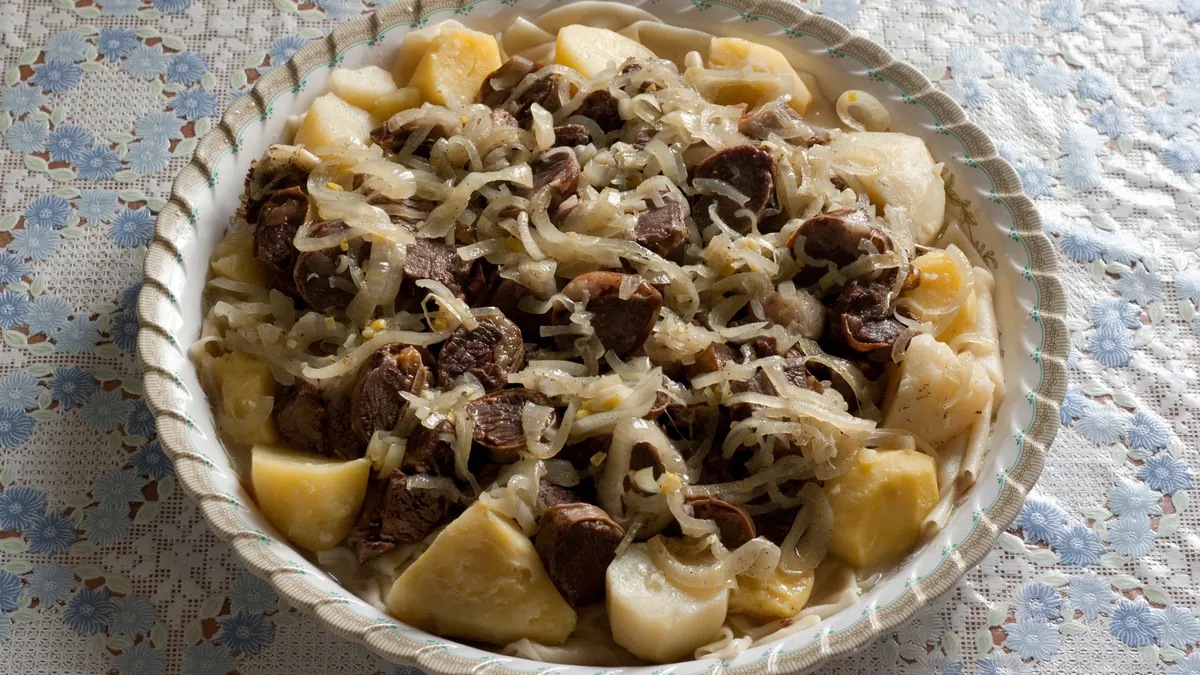
Beshbarmak: How Kazakhstan's National Dish Is Really Made and Eaten
Beshbarmak - Kazakhstan's national dish of boiled meat and noodles. Recipe, history, how to eat it properly, etiquette, and where to try authentic beshbarmak.
food
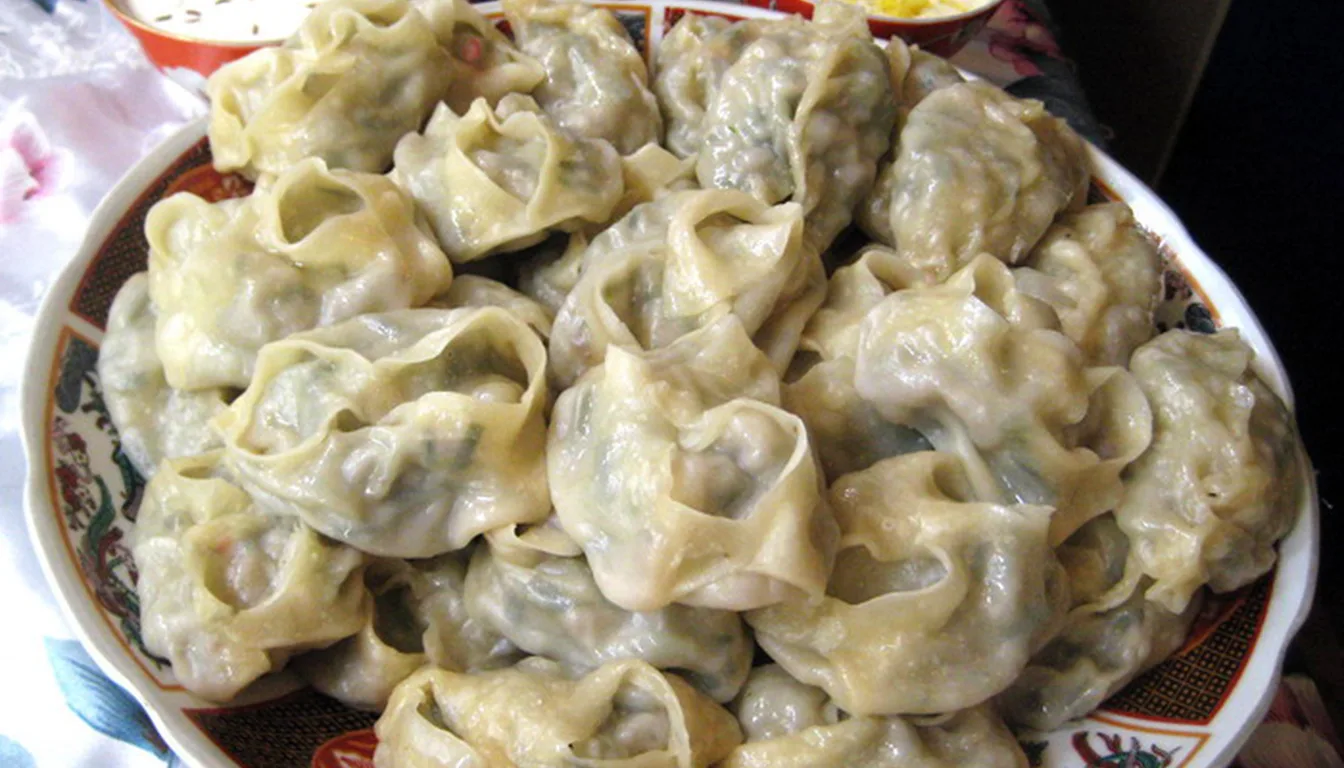
Manty: Kazakh Steamed Dumplings Recipe & Guide
Everything about Kazakh manty — traditional lamb filling, step-by-step recipe, folding technique, regional variations, and where to eat them.
food
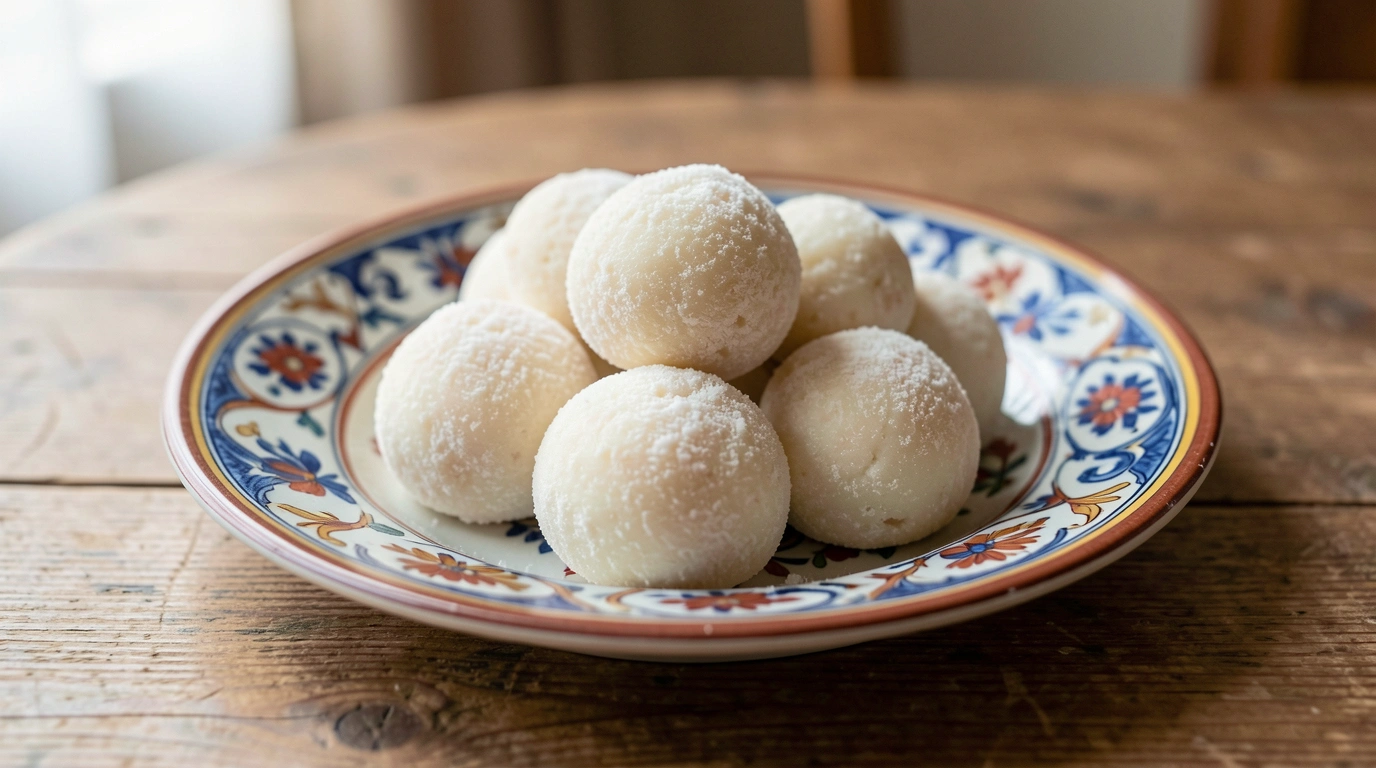
Kurt: The Ancient Kazakh Snack That Sustained Nomads
Kurt is a traditional Kazakh dried yogurt ball that sustained nomads for centuries. Learn how kurt is made, its nutrition, taste, and cultural significance.