Kumis: The 2,500-Year-Old Drink Kazakhstan Still Swears By
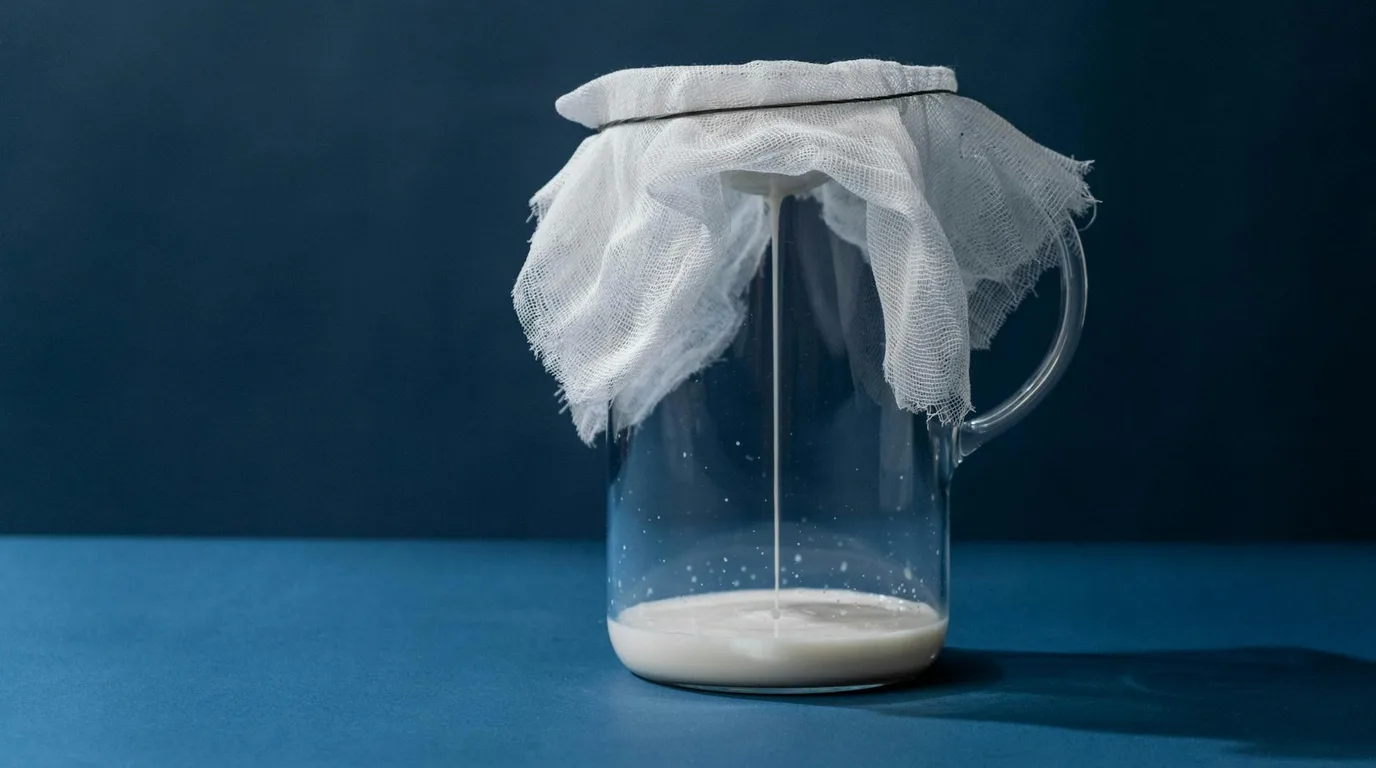
The first time you taste kumis, you will not like it. I am telling you this honestly. It is sour, slightly fizzy, faintly alcoholic, and nothing like any dairy product you have tried before. My American friends have described it as “fizzy sour yogurt water with a kick.” That is not entirely wrong. But here is the thing: after the third or fourth try, something clicks. By the end of a summer in Kazakhstan, you will be craving it.
According to archaeological evidence published by the University of Exeter in 2009, residues of fermented mare’s milk have been found in ceramic vessels from Bronze Age sites across the Kazakh steppe dating to approximately 3500 BCE. Wikipedia’s article on kumis corroborates this, noting chemical analyses of ancient pottery identified mare’s milk proteins consistent with fermented dairy production. That makes kumis one of the oldest continuously produced fermented beverages on Earth - older than wine, older than beer as we know it.
What Kumis Actually Is
Kumis (qymyz in Kazakh, кумыс in Russian) is fermented mare’s milk. Not cow’s milk. Not goat’s milk. Mare’s milk specifically, because its chemical composition produces a unique fermentation:
| Property | Mare’s milk | Cow’s milk | Why it matters |
|---|---|---|---|
| Lactose | 6.2% | 4.7% | Higher lactose = more active fermentation, more fizz |
| Fat | 1.9% | 3.7% | Lower fat = thinner, more refreshing consistency |
| Protein | 2.2% | 3.4% | Different protein structure = easier digestion |
| Vitamin C | 25 mg/L | 2 mg/L | 10x more vitamin C - historically prevented scurvy on the steppe |
According to a review published in the Journal of Ethnic Foods (2021), the fermentation process involves both lactobacillus bacteria (which produce the sourness) and yeast (which produce the alcohol and carbonation). The result is a drink with 1-3% alcohol content - similar to a light beer or strong kombucha.
What Does Kumis Taste Like?
Kumis tastes sour, faintly fizzy, and slightly alcoholic, with a thin buttermilk texture and a yeasty finish. It is unlike any dairy product sold in Western supermarkets, and most first-time drinkers need two or three attempts before they appreciate it.
I have asked dozens of foreign visitors to describe the taste. The most accurate responses:
- “Like liquid yogurt that someone carbonated and spiked with a tiny bit of beer”
- “Sour buttermilk with a yeasty finish and a fizzy tongue feel”
- “If kefir and champagne had a baby that was raised on a farm”
The texture is thin - closer to buttermilk than yogurt. Not creamy. Not thick.
The sourness hits first. Then a subtle sweetness underneath. Then a bread-yeast aftertaste.
The fizz is gentle, not aggressive. Think natural sparkling water, not Coca-Cola.
The alcohol is barely perceptible in one bowl. After three or four bowls in summer heat, you feel it.
Temperature matters. Kumis is best served cool but not ice cold. Room temperature kumis from a leather bag on the steppe is the traditional experience.
How Kumis Is Made
Traditional kumis production is a daily rhythm, not a one-time batch process. From milking the mares at dawn to stirring the saba throughout the day, a Kazakh family making kumis is running a continuous fermentation operation that runs for the entire summer.
I have watched my relatives make kumis at a summer camp near Aktobe. The process:
1. The milking schedule. Mares are milked 4-6 times per day during lactation season (May-September), starting at sunrise and continuing roughly every 3-4 hours. According to the Food and Agriculture Organization (FAO), each milking yields about 1-1.5 liters. Mares must be milked with their foal present - they will not let down milk otherwise. The foal is allowed to suckle briefly, then restrained while the milker takes the rest. This is not cruel by design: the bond between mare and foal is what triggers milk production. Total daily yield per mare: roughly 5-8 liters, of which about half goes to making kumis.
2. The saba. Fresh milk goes into a saba - a smoked leather bag made from horse hide, typically holding 30-60 liters. According to Kazakh artisan traditions documented by the National Museum of Kazakhstan, the saba is “seasoned” over years of use, building up a stable culture of beneficial bacteria in the leather, similar to how a sourdough starter accumulates character over generations. New sabas are prepared by smoking the interior with burning herbs and rubbing the walls with fresh kumis from a relative’s established batch. A well-aged saba is a household treasure.
3. Stirring. This is the labor-intensive part. According to traditional practice, the milk must be stirred or churned at least 1,000 times per day using a wooden paddle (bishkek). The agitation distributes the bacteria and yeast evenly, incorporates oxygen in the early stages, and prevents cream from separating. Traditionally, anyone who passed the saba was expected to give it a few stirs - guests, children, neighbors. The communal stirring reflects how kumis production was a shared, social activity in nomadic camps.
4. Fermentation timeline. In warm weather (25-30°C), kumis reaches drinking readiness in 1-2 days. Fresh-fermented kumis (termed “koumiss of the first day” in some Kazakh regions) is mildly sour and low in alcohol. Left for 3-4 days, it becomes sharper and stronger. According to food science research published in LWT - Food Science and Technology, the pH drops from about 6.5 (fresh milk) to 3.5-4.0 in finished kumis. The alcohol content rises from essentially zero to 1-3% as fermentation continues. Kazakhs have traditionally distinguished between grades: “mild” (zheis qymyz) for children and the elderly, “standard” for adults, and “strong” (kuchti qymyz) - the deeply fermented version that produces a noticeable effect after several bowls.
Seasonal production. Kumis is fundamentally a summer product. Mares begin lactating in April or May when foals are born, and the season runs through September. This matches the traditional nomadic calendar: families moved to summer pastures (zailau) with their horses, spent the warm months producing kumis, then dried or preserved other foods for winter. The drink is inseparable from the zailau lifestyle. If you visit Kazakhstan in winter and someone offers you “kumis,” it is almost certainly a pasteurized commercial version, not the real thing.
Modern production. According to the Kazakh dairy industry association, commercial kumis factories now use stainless steel fermentation tanks with controlled temperature and standardized bacterial starter cultures instead of leather bags. The result is consistent year-round supply but purists say it lacks the microbial complexity of traditional saba-fermented kumis. Both are widely available from May to September; the commercial version is pasteurized and available year-round in supermarkets.
Health Benefits and Nutritional Profile
Kumis is not just a traditional beverage - it is a nutritionally dense drink with documented probiotic activity, a high vitamin C content unusual for dairy, and a fermentation process that makes it easier to digest than fresh milk. Modern research has confirmed several of the health claims Kazakh tradition attributed to it for centuries.
According to published research:
Nutritional profile per 200 ml serving (based on FAO and Journal of Ethnic Foods data):
| Nutrient | Kumis (200 ml) | Kefir (200 ml) | Notes |
|---|---|---|---|
| Calories | 95-110 kcal | 110-120 kcal | Lower fat content |
| Protein | 4.4 g | 6.8 g | Easier to digest in kumis |
| Fat | 3.8 g | 7.4 g | Less saturated fat |
| Lactose | 5.5 g | 7.0 g | Partially broken down by fermentation |
| Vitamin C | 5 mg | trace | Unique advantage of mare’s milk |
| Probiotics | 10^7-10^8 CFU/ml | 10^6-10^7 CFU/ml | Higher diversity in kumis |
| Alcohol | 2-6 g | 1-2 g | Increases with fermentation time |
Probiotics. According to a 2019 study in Frontiers in Microbiology, kumis contains diverse lactobacillus strains - including Lactobacillus helveticus, L. acidophilus, and L. casei - with demonstrated antimicrobial activity against harmful bacteria including E. coli and Staphylococcus aureus. The bacterial diversity in traditionally fermented saba-produced kumis is significantly higher than in commercial starter-culture versions.
Vitamin C. According to FAO nutritional data, mare’s milk contains roughly 25 mg of vitamin C per liter, compared to approximately 2 mg per liter in cow’s milk. For steppe nomads with no access to fruits or vegetables for months at a time, kumis was the primary source of this essential vitamin. This is not a folk claim: vitamin C deficiency (scurvy) was a documented problem among sedentary populations at the same latitude, while nomadic Kazakhs who drank kumis daily showed no such symptoms. It literally prevented scurvy on the steppe.
Digestibility. According to research in the International Dairy Journal, the fermentation process breaks down 30-50% of the lactose in mare’s milk, making kumis tolerable for many lactose-intolerant people. The protein structure of mare’s milk also forms softer curds in the stomach than cow’s milk protein, reducing digestive discomfort.
Traditional medicine uses. According to ethnobotanical research on Kazakh traditional medicine published by the Institute of History and Ethnology (Almaty), kumis was prescribed for gastrointestinal disorders, fatigue, pulmonary weakness, and general convalescence. The traditions of Kazakhstan placed kumis alongside medicinal herbs as a front-line health remedy.
Historical “kumis therapy.” According to medical historian Dr. Bakhyt Aitimova (Kazakh National Medical University), sanatoriums specifically for kumis therapy (kumyslechenie) operated across the Russian Empire and Soviet Union from the 1850s through the 1950s. Tuberculosis patients were sent to the Kazakh steppe to drink 1-3 liters of kumis daily. According to contemporary medical records, many showed improvement - likely due to the probiotics, high vitamin C content, caloric density, and fresh steppe air working together.
Famous kumis drinkers according to historical records: Leo Tolstoy visited Samara province specifically to drink kumis for his health in the 1870s and 1880s, writing about the experience in his letters. Anton Chekhov visited a kumis sanatorium for his tuberculosis in 1901.
Cultural Significance
According to Wikipedia’s article on kumis, the drink has been produced across the Eurasian steppe for millennia and remains a defining element of Kazakh, Mongolian, and Kyrgyz cultural identity.
Kumis is woven into Kazakh culture at every level:
- Nauryz celebration: Kumis is essential at the spring equinox feast. No Nauryz without kumis.
- Wedding feasts: Kumis is served alongside beshbarmak at every traditional wedding.
- Hospitality: According to tradition, offering kumis to a guest is a mark of honor above tea.
- Spiritual significance: According to pre-Islamic Kazakh belief documented by ethnographer Chokan Valikhanov (19th century), kumis was offered to ancestral spirits and poured on the ground as a blessing.
- Kazakh proverb: “Qymyzdy ishken adam auyrmaidy” - “A person who drinks kumis does not get sick.”
Where to Try Kumis in Kazakhstan
Season: May to September only. Fresh kumis is seasonal because mares only lactate in warm months.
| Where | What to expect | Cost |
|---|---|---|
| Any bazaar (Almaty, Astana, Shymkent) | Fresh kumis from vendors, sold by the liter | 500-1,000 KZT ($1-2) per liter |
| Roadside sellers on highways | Often the freshest - made that morning | 300-700 KZT per liter |
| Traditional restaurants (Zheti Kazyna, Alasha) | Served in bowls alongside meals | 500-1,500 KZT per bowl |
| Nomad camps / yurt stays | The most authentic setting | Usually included in stay |
| Supermarkets | Bottled/pasteurized version | 400-800 KZT per bottle |
My recommendation: Skip the supermarket version. According to dairy scientists at Almaty Technological University, pasteurization kills the live cultures that give kumis its character. Buy from a bazaar vendor or roadside seller for the real experience.
Kumis vs. Other Fermented Drinks
Kumis sits in a category of its own among fermented dairy drinks. The use of mare’s milk gives it a thinner texture, higher fizz, more vitamin C, and a more complex microbial profile than kefir or yogurt-based drinks. Its closest relative is Mongolian airag, which is made by the same method from the same animal.
| Drink | Base | Origin | Alcohol | Taste |
|---|---|---|---|---|
| Kumis | Mare’s milk | Kazakhstan / Central Asia | 1-3% | Sour, fizzy, thin |
| Kefir | Cow’s milk | Caucasus | 0.5-1% | Sour, thick, tangy |
| Shubat | Camel’s milk | Kazakhstan | 0.5-1% | Sour, fatty, rich |
| Ayran | Cow’s yogurt + water | Turkey / Central Asia | 0% | Salty, refreshing |
| Airag | Mare’s milk | Mongolia | 1-3% | Very similar to kumis |
Kumis vs. Kefir. Both are fermented dairy drinks with probiotics and mild sourness, but the similarities end there. Kefir uses cow’s milk and kefir grain cultures, producing a thicker, creamier drink with less carbonation. Kumis uses mare’s milk, natural saba cultures, and active stirring to produce a thinner, fizzier drink with higher natural carbonation and notably more vitamin C. Kefir is available year-round worldwide; authentic kumis is seasonal and local to Central Asia.
Kumis vs. Airag. According to Britannica’s entry on fermented milk beverages, airag (the Mongolian equivalent of kumis) and kumis are virtually identical in preparation and composition. Both use mare’s milk, leather bags or clay vessels, and continuous stirring. Differences are attributable to regional bacterial cultures rather than process. Mongolians typically ferment theirs slightly shorter, producing a milder result. If you have tried airag in Mongolia, you have essentially tried kumis.
Kumis vs. Shubat. Shubat (fermented camel milk) deserves a separate mention. According to Kazakh food culture, shubat is considered the “winter kumis” - available year-round from camels, particularly in western Kazakhstan (Mangystau, Atyrau regions) where camel herding is common. It is thicker and fattier than kumis, with a more intense sourness and less carbonation. Camel milk has its own remarkable nutritional profile: according to FAO data, it is lower in fat than cow’s milk but higher in vitamin C and iron. Shubat is harder to find in cities but worth seeking out if you are in western Kazakhstan.
How to Order and Drink Kumis Like a Local
In Kazakhstan, accepting kumis when offered is a matter of etiquette. Refusing the first bowl is considered impolite. You do not have to finish it, but you must accept it. Here is how to navigate kumis culture without accidentally causing offence.
At a bazaar or roadside stand. Vendors sell kumis by the liter in plastic bottles or ladle it into your own container. Ask for “qymyz” (pronounced roughly “kuh-MUZ”). In Almaty, the Green Bazaar (Zelyony Bazar) has reliable kumis vendors near the dairy section from May to September. Bring a 1-liter bottle and expect to pay 500-1,000 KZT ($1-2). Taste it before buying a full liter - freshness and sourness vary between vendors.
At a yurt or family home. You will be given a kese (a small round ceramic or wooden bowl). Accept it with both hands or with your right hand, left hand touching your right elbow. This is the respectful receiving gesture in Kazakh culture - it applies to tea, kumis, and any food from a host. Take a sip. Say “rakmet” (thank you). You do not need to drain the bowl immediately; it will be refilled as long as it is empty.
The “dastarkhan” ritual. At a Nauryz celebration or formal dastarkhan (feast), kumis is poured by the host and passed starting with the eldest guest. According to Kazakh tradition documented by ethnographer Mukhamet-Salikh Babajanov (19th century), the host recites a blessing (bata) before the first bowl is drunk. If you are offered this role as a foreign guest, it is an honor - just say “rahmet” and drink.
Pacing yourself. At 1-3% alcohol, kumis is mild but adds up. Three or four bowls in a warm yurt over two hours is enough to feel a gentle effect. The traditional saying is that you should drink kumis “like a camel at a spring” - steadily, not in a rush. Kazakhs sometimes drink a liter or more at a sitting in summer heat; start with less until you know how your body responds.
Pairing kumis with food. Kumis cuts through the richness of fatty dishes like beshbarmak or kuyrdak (fried organ meat). The sourness and fizz act like a digestif. At traditional meals, it is often served alongside these dishes rather than as a standalone drink.
Frequently Asked Questions
- What does kumis taste like?
- According to visitors surveyed, kumis tastes sour and slightly fizzy, like thin carbonated buttermilk with a yeasty bread-like aftertaste. It has 1-3% alcohol. The texture is thin, not creamy. Most people need 2-3 tries before they appreciate it. Best served cool in summer.
- Is kumis alcoholic?
- Yes, mildly. According to food science research published in LWT journal, kumis contains 1-3% alcohol by volume, produced naturally by yeast during fermentation. This is similar to light beer or strong kombucha. Several bowls in succession will produce a noticeable effect.
- Is kumis healthy?
- According to research in Frontiers in Microbiology, kumis is rich in probiotics with antimicrobial properties. FAO data shows mare's milk has 10x more vitamin C than cow's milk. The fermentation breaks down lactose, making it more digestible. Historically it was used to treat tuberculosis patients.
- When is kumis available in Kazakhstan?
- According to Kazakh dairy producers, fresh kumis is available from May to September when mares are lactating. Peak quality is June-July. Some commercial producers offer year-round pasteurized versions, but the best kumis is always seasonal and sold fresh at bazaars and roadside stands.
- What is the difference between kumis and kefir?
- According to dairy science, kumis is made from mare's milk (thinner, fizzier, 1-3% alcohol) while kefir uses cow's milk (thicker, less fizzy, 0.5-1% alcohol). Kumis is seasonal and hard to produce commercially. Kefir is available year-round worldwide.
- Can you buy kumis outside Kazakhstan?
- Authentic kumis is extremely rare outside Central Asia because it requires fresh mare's milk and must be consumed within days. Some Mongolian or Kyrgyz restaurants in major cities may serve it seasonally. Bottled versions in international stores are usually pasteurized and lack the live cultures.
Last verified: March 2026
More Stories
culture
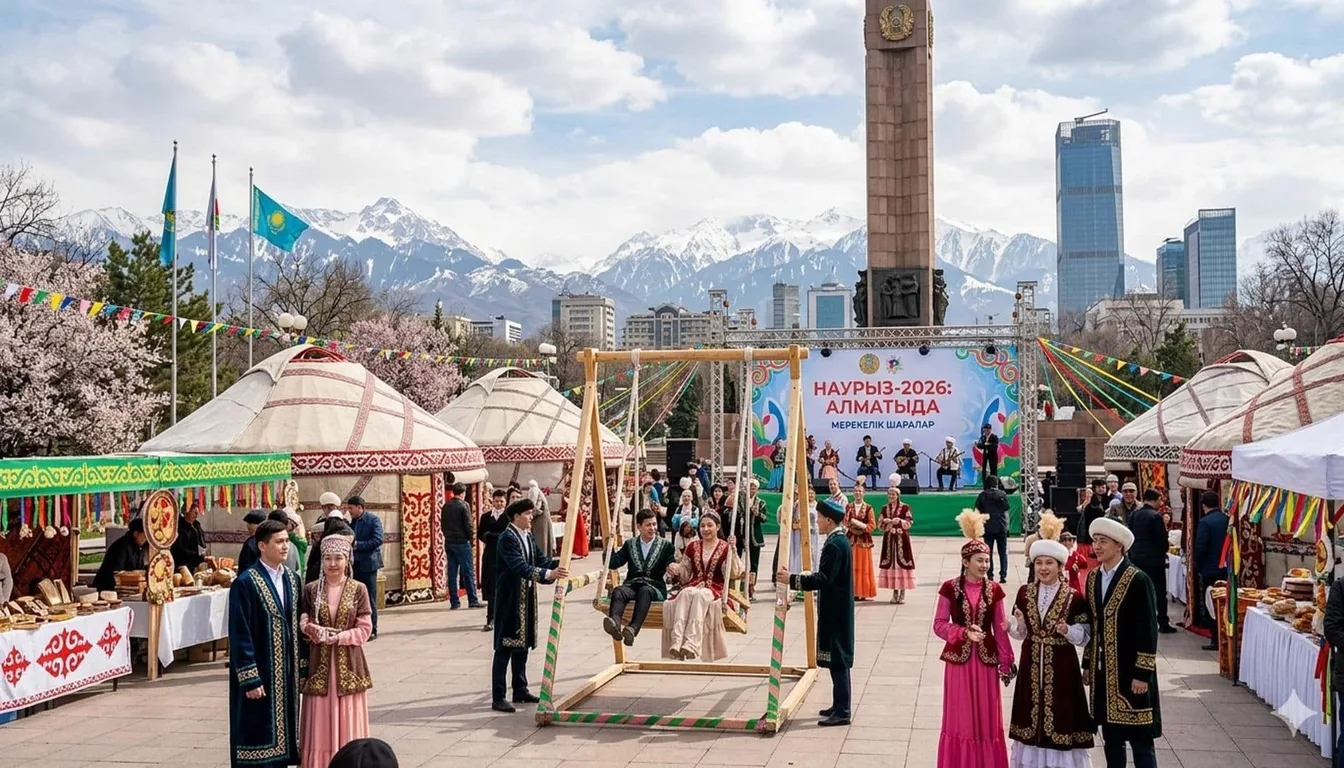
Nauryz in Kazakhstan
Nauryz in Kazakhstan: the 3,000-year-old spring New Year celebrated every March 22. Nauryz kozhe, horse games, yurt festivals, and 2026 event calendar.

travel
Kazakhstan Airports: Guide to All 18 Airports
Full guide to Kazakhstan airports — Almaty (ALA), Astana (NQZ), Shymkent, Aktau, Atyrau. IATA codes, airlines, facilities, transport to city, domestic routes.
travel
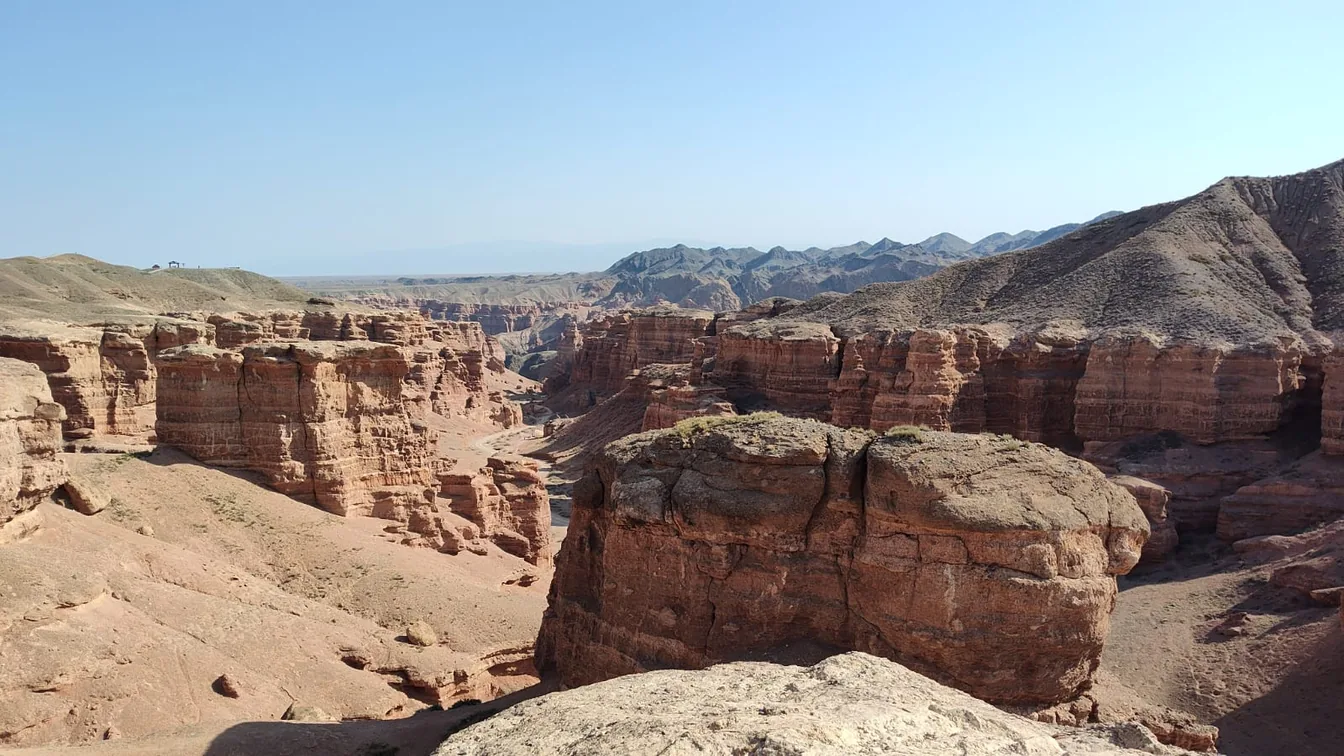
Places to Visit in Kazakhstan
Places to visit in Kazakhstan: 20 best destinations by region, from Charyn Canyon and Kolsai Lakes to Mangystau's cliffs. Best seasons and travel tips.