Kolsai Lakes: Hiking, Costs, and How to Get There (2026)
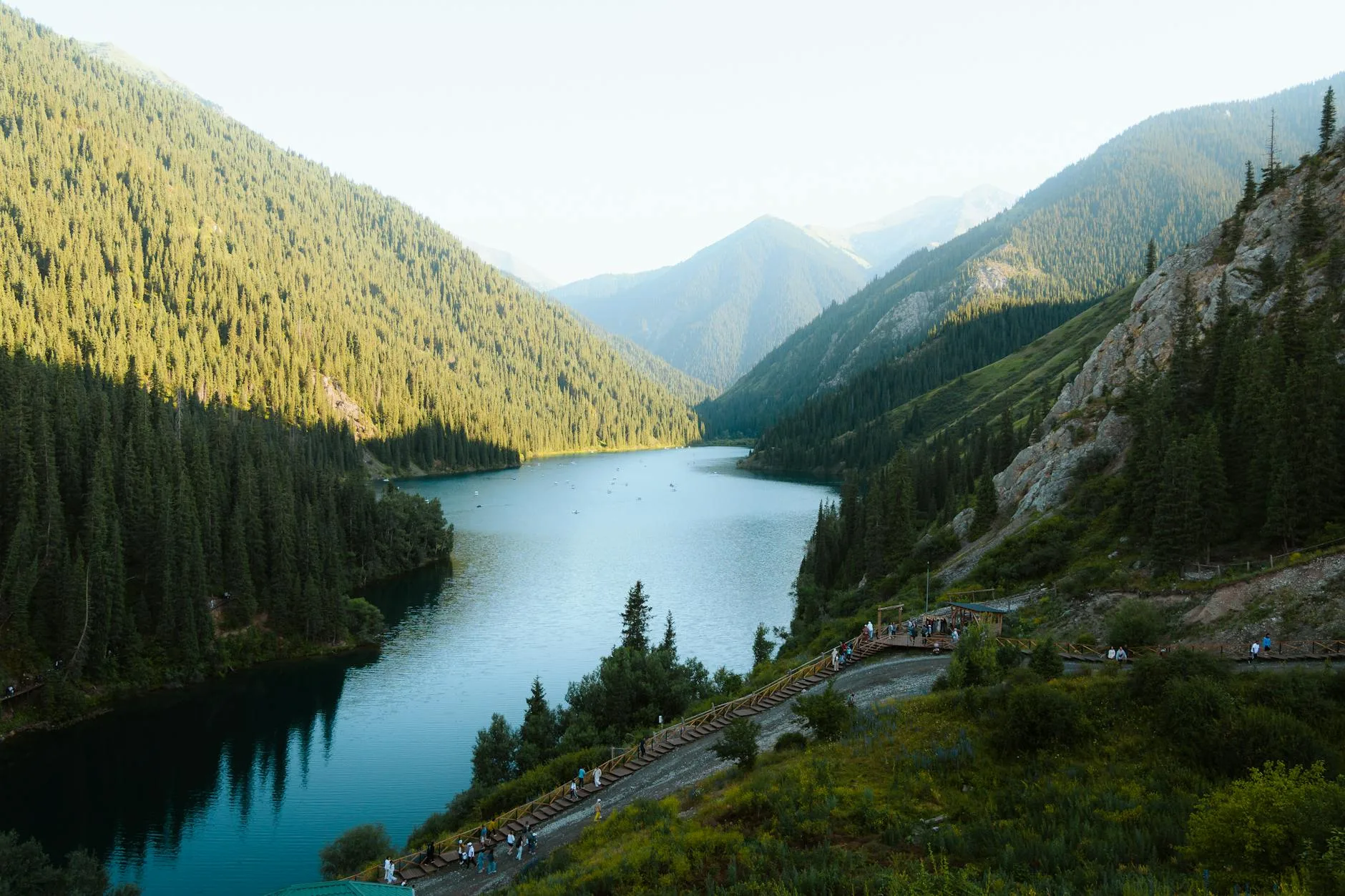
The Kolsai Lakes are three alpine lakes stacked at different elevations in the northern Tian Shan mountains, 300 km southeast of Almaty, often called the “Pearls of the Northern Tian Shan.” The lowest lake sits at 1,800 meters, the middle at 2,250 meters, and the highest at 2,700 meters. The lakes are part of the Kolsai-Kaindy National Park, established in 2007. Nearby Kaindy Lake, with its famous sunken forest of dead spruce trees standing upright in turquoise water, adds another dimension to the trip. The entire area is reachable as a long day trip or an overnight from Almaty.
The three lakes formed when natural landslides dammed narrow gorges in the Kungey Alatau mountain range. According to Wikipedia’s entry on Kolsai Lakes, the lakes sit within the Kungey Alatau ridge of the northern Tian Shan and were designated a national park in 2007. The water is cold and transparent, shifting from deep sapphire to jade depending on sunlight and depth. Surrounding the lakes: dense Tian Shan spruce forests, alpine meadows, and a wildlife population that includes snow leopards, brown bears, ibex, and the Central Asian lynx. This guide covers hiking routes, current 2026 park fees, transport from Almaty, accommodation in Saty village, and how to visit Kaindy Lake.
The Three Lakes
Kolsai 1 (Lower Lake), 1,800 m
The most accessible and developed of the three. A paved access road runs from Saty village to a parking area, then it is a 1-2 km walk (30-60 minutes) to the lakeshore. Infrastructure here includes guesthouses, cafes, yurt stays, boat rentals, and toilets. The lake is surrounded by spruce forest and framed by mountain ridges.
Best for: families, photographers, easy day visits, boat rides, horseback rides along the shore.
Kolsai 2 (Middle Lake / Mynzhylky), 2,250 m
The hike from Kolsai 1 to Kolsai 2 is the park’s signature trek.
| Detail | Info |
|---|---|
| Distance | 7-8 km one way |
| Elevation gain | 450 m |
| Time | 3-4 hours one way |
| Difficulty | Moderate |
| Trail surface | Forest path, some mud after rain |
The trail climbs through spruce forest, crosses several streams, and opens up to alpine meadows before reaching the middle lake. Kolsai 2 is larger, quieter, and more dramatic than the first. On clear days the water is an intense deep blue.
Best for: hikers, photographers, camping overnight.
Kolsai 3 (Upper Lake), 2,700 m
The hike from Kolsai 2 to Kolsai 3 adds another 4 km and 450 meters of elevation. This section is steeper and less maintained. Multi-day camping permits are required. The upper lake sits near the Kyrgyzstan border in true alpine wilderness.
| Detail | Info |
|---|---|
| Distance from Kolsai 2 | ~4 km |
| Additional elevation | 450 m |
| Time | 3 hours from Kolsai 2 |
| Difficulty | Moderate-hard |
Best for: experienced hikers, multi-day trekkers.
Park Fees (2026 Tariffs)
Kolsai-Kaindy National Park charges entrance fees based on the current MRP (Monthly Calculation Index), which is 4,325 KZT in 2026. According to the official Kazakhstan e-government portal (egov.kz), national park entry fees are set annually as a multiple of the MRP rate established by the Ministry of Finance.
| Category | Fee |
|---|---|
| Eco-fee per person per day | 738 KZT ($1.50), 0.2 MRP |
| Car entry | 2,584 KZT ($5), 0.7 MRP |
| Minivan/microbus (up to 16 seats) | 9,968 KZT ($20) |
| Camping surcharge (per night) | Additional fee |
| Horse rental with guide | from 20,000 KZT ($40) |
Fees are paid at the park entrance gate. Cash only at the gate as of early 2026.
How to Get to Kolsai Lakes from Almaty
The Kolsai Lakes are approximately 300 km from Almaty, a 5-6 hour drive through the Kuldja highway toward the Kyrgyz border. The base village is Saty, from where all lake access begins.
By Car
Drive east from Almaty on the Kuldja highway toward Shelek, then turn right toward Chundzha and follow signs to Saty. The road is paved until Saty. From Saty to the first lake, the road is unpaved but passable for regular cars in dry conditions (4x4 recommended in rain or spring). A popular route combines a stop at Charyn Canyon on the way.
By Marshrutka (Minibus)
A marshrutka departs from Almaty’s Sayakhat bus station at 6:00 AM bound for Saty. The service runs daily but is not always reliable. Arrive early to secure a seat. The ride takes about 6 hours. Return marshrutkas leave Saty in the early morning.
By Tour
Organized tours from Almaty are the easiest option, especially for solo travelers without a car.
| Tour type | Price range | What is included |
|---|---|---|
| Day trip (Kolsai + Kaindy + sometimes Charyn) | 15,000-50,000 KZT ($30-100) | Transport, guide, park fees |
| 2-day with overnight in Saty | 30,000-100,000 KZT ($60-200) | Transport, guide, accommodation, meals |
| Private SUV transfer (round trip) | 110,000-220,000 KZT ($220-440) | Vehicle + driver for full day |
Day tours that combine Kolsai, Kaindy, and Charyn Canyon in one day are tempting but rushed. You will spend more time in the car than at the lakes. A two-day trip with an overnight in Saty is strongly recommended.
Kaindy Lake: The Sunken Forest
Kaindy Lake is 11 km from Saty village, in a separate valley within the same national park. According to Wikipedia’s entry on Kaindy Lake, a powerful earthquake in 1911 triggered a landslide that dammed the Kaindy River gorge. Over time, water flooded a spruce forest, and today the dead tree trunks stand upright in turquoise water, creating one of Central Asia’s most photographed landscapes.
Getting to Kaindy
The road from Saty to Kaindy is rough and requires a 4x4 or SUV. Regular cars cannot make it, especially after rain. Options:
- 4x4 taxi from Saty: arrange with locals, approximately 10,000-15,000 KZT ($20-30) round trip per car
- Included in organized tours: most two-day Kolsai tours include Kaindy
- Walk: 11 km from Saty, 2-3 hours one way on foot (some travelers do this)
At the lake, you can walk along the shore, photograph the sunken trees, and experienced divers with permits can explore the preserved underwater forest.
Where to Stay
Saty Village
Saty is a small Kazakh village that serves as the gateway to the lakes. Accommodation is simple but hospitable.
| Option | Price per night | Notes |
|---|---|---|
| Guesthouses (homestays) | 6,000-12,000 KZT ($12-24) | Simple rooms, family atmosphere, often includes dinner and breakfast |
| Kolsai Grand Hotel | from 40,000 KZT ($80) | Most comfortable option near the lakes, can arrange transfers |
| A-Frame Kolsai | from 25,000 KZT ($50) | Bookable online, modern design |
| Arcabay-Karligash Guesthouse | from 15,000 KZT ($30) | Bookable online, reliable |
At the Lakes
Near Kolsai 1, there are yurts and small guesthouses:
- Yurt stays: 7,000-10,000 KZT ($14-20) per person, sometimes including meals
- Near-lake lodges: 18,000-35,000 KZT ($36-70) per night with dinner and breakfast
Camping
Camping is allowed at designated areas near the lakes. Bring your own gear. Even in summer, nighttime temperatures at 1,800-2,700 m drop significantly. A warm sleeping bag rated to 0°C is essential.
When to Visit
| Season | Conditions | Verdict |
|---|---|---|
| June - August | Warm (15-25°C days), green meadows, wildflowers. Peak season, crowded weekends. | Best for hiking |
| September | Cooler (10-20°C), autumn colors in the forests, fewer tourists. | Best overall |
| October | Cold mornings, golden larches, very quiet. | Photography season |
| November - April | Snow, ice, trails closed or dangerous. | Not recommended |
| May | Snow melting, trails muddy, rivers high. | Early season, risky |
September is the sweet spot: the forests turn golden, the crowds thin out, the weather is stable, and the lakes are at their most photogenic. Avoid weekends during summer peak if possible.
What to Bring
The mountains can be deceptive. A sunny morning can turn into rain and near-freezing temperatures by afternoon at 2,250 m.
- Hiking shoes or boots (trails get muddy)
- Layered clothing (base layer, fleece, waterproof shell)
- Sunscreen and hat (UV is intense at altitude)
- Minimum 2 liters of water per person
- Snacks and lunch (limited food options beyond Kolsai 1)
- Cash in KZT (no ATMs in Saty, card acceptance unreliable)
- Offline maps (2GIS or Maps.me, no signal at the lakes)
- Insect repellent (summer months)
- Warm sleeping bag if camping
Combining with Other Destinations
Kolsai Lakes sits on a natural route between Almaty and the Kyrgyz border. According to Britannica’s entry on the Tian Shan, the Kungey Alatau where the lakes sit forms part of the northern Tian Shan range that straddles the Kazakhstan-Kyrgyzstan border. Common combinations:
- Charyn Canyon + Kolsai Lakes: Charyn is on the way from Almaty to Saty. A stop at the Valley of Castles adds 2-3 hours. This is the most popular combination.
- Kaindy Lake: always combine with Kolsai, they are in the same national park.
- Big Almaty Lake: a different day trip from Almaty (not on the Kolsai route), but makes a good pre- or post-Kolsai experience.
- Cross into Kyrgyzstan: the Kegen border crossing is near Saty. Some travelers continue to Karakol and Issyk-Kul Lake in Kyrgyzstan.
Wildlife Around Kolsai Lakes
The Kolsai-Kaindy National Park is one of the richest wildlife habitats in Kazakhstan, home to large mammals, raptors, and rare endemic species that inhabit the Tian Shan spruce belt between 1,800 and 3,200 meters. The park’s protected status since 2007 has allowed animal populations to recover from Soviet-era hunting pressure, and patient visitors regularly spot wildlife along the trail between Kolsai 1 and Kolsai 2.
The most visible large mammal is the Tian Shan brown bear (Ursus arctos isabellinus), a subspecies adapted to high-altitude forest. Bears are most active at dawn and dusk in the berry-rich meadows near treeline. The trail from Kolsai 1 to Kolsai 2 passes through prime bear habitat, particularly in late summer when wild raspberries and currants are fruiting. Keep noise levels up while hiking and store food properly if camping. Bear encounters are rare but real.
Siberian ibex (Capra sibirica) are more commonly seen. These sure-footed wild goats inhabit the rocky cliffs above Kolsai 2 and are sometimes visible from the trail with binoculars, traversing near-vertical rock faces with ease. Males carry large curved horns and can weigh up to 130 kg. According to the IUCN Red List, the Siberian ibex population in Kazakhstan’s Tian Shan is considered stable, supported by protected areas like Kolsai-Kaindy.
Raptors are another highlight. Golden eagles (Aquila chrysaetos) circle the ridges above all three lakes and are often visible soaring on thermals by mid-morning. The park also hosts the Eurasian hobby and Bearded vulture (Lammergeier), which breeds on cliff ledges in the upper gorge. The Lammergeier’s wingspan can exceed 2.8 meters, making sightings genuinely striking.
Other species recorded in the park include the Central Asian lynx, Eurasian otter along the Kolsai River, red fox, stone marten, and several species of marmot that colonize the alpine meadows above 2,400 meters. The marmots are particularly visible near Kolsai 2 in summer and will alert the whole hillside with piercing whistles if you approach too quickly.
For wildlife-focused visits, combine Kolsai with Kazakhstan’s national parks to understand how the protected area network fits together across the country.
Photography Tips and Best Viewpoints
Kolsai Lakes reward photographers at almost any time of day, but the light, the season, and which viewpoint you choose determine whether you get a postcard or a portfolio shot. The combination of dark green Tian Shan spruce, snow-capped ridges reflected in glacially cold water, and frequent mist in the gorges creates conditions that are difficult to find anywhere else in Central Asia.
Best viewpoints by lake:
- Kolsai 1: The western shore, accessed by walking 10 minutes past the main boat dock, offers a clear reflection angle with the forested ridge behind. Shoot from here in the first hour after sunrise before hikers arrive and break the water surface. The boats moored at the dock also provide strong foreground interest in morning fog.
- Kolsai 2: The north end of the lake, reached by continuing past the main overlook point, reveals the full width of the lake with the upper ridgeline behind. This is the best full-lake composition. In October, the larch trees on the western slope turn gold and frame the shot.
- Kaindy: The dead spruce trunks are most photogenic in flat overcast light, which diffuses reflections and makes the turquoise color more saturated. Hard midday sun flattens the water and loses the color. Overcast mornings are ideal.
Seasonal light:
September and October offer the best combination of light quality and visual interest. The golden larch foliage contrasts with the dark spruce and blue water. Autumn fog fills the valleys in the morning, then burns off by 10 AM to reveal the ridges. July and August give longer days and access to higher elevations, but the foliage is uniformly green.
Practical notes for photographers:
- A polarizing filter is essential. At altitude with high UV, the filter cuts glare from the water surface and makes the lake color appear as it does to the naked eye.
- Bring more memory and batteries than you think you need. Temperatures at 2,250 m drain lithium batteries noticeably faster.
- The trail between Kolsai 1 and Kolsai 2 is north-facing and shaded most of the morning. The meadows near Kolsai 2 receive direct sun from about 9 AM.
- Drone use requires advance permission from the national park administration. Apply through the park office in Saty village.
Kolsai works well as part of a broader photography trip through the region. The Almaty day trips guide covers several other shooting locations within a day’s drive, including the red sandstone formations at Charyn Canyon and the high-altitude Turgen waterfalls.
Responsible Travel
Kolsai-Kaindy National Park protects fragile alpine ecosystems. According to UNESCO’s database of protected areas, the Tian Shan mountain system that encompasses these lakes is recognized as a globally significant biodiversity hotspot. Follow these rules:
- Pack out all trash. There are no waste collection services on the trails.
- Do not swim in the lakes (the cold water protects sensitive ecosystems, and it is dangerously cold).
- Stay on marked trails to prevent erosion.
- Do not feed wildlife.
- Camp only in designated areas and obtain permits.
- Respect local communities in Saty. Many families depend on tourism income.
Frequently Asked Questions
- How far are Kolsai Lakes from Almaty?
- Kolsai Lakes are approximately 300 km from Almaty, about 5-6 hours by car. The base village of Saty is the starting point for all lake visits.
- Can I visit Kolsai Lakes as a day trip from Almaty?
- Technically yes, but it means 10-12 hours of driving for only a few hours at the lakes. A two-day trip with an overnight in Saty village is strongly recommended. One-day tours that rush through Kolsai, Kaindy, and Charyn leave very little time at each stop.
- How much does it cost to visit Kolsai Lakes?
- Park entry is 738 KZT ($1.50) per person plus 2,584 KZT ($5) per car. Guesthouses in Saty cost 6,000-12,000 KZT ($12-24) per night. An organized two-day tour from Almaty runs 30,000-100,000 KZT ($60-200) per person.
- Do I need a 4x4 to reach Kolsai Lakes?
- A regular car can reach Saty village and the Kolsai 1 parking area in dry conditions. However, the road to Kaindy Lake absolutely requires a 4x4. A 4x4 is also recommended for the Saty-Kolsai stretch after rain.
- When is the best time to visit Kolsai Lakes?
- September is ideal: autumn colors, fewer crowds, stable weather, temperatures 10-20°C. June-August is warmer but busier, especially on weekends. The park is effectively closed November through April due to snow.
- Can I camp at Kolsai Lakes?
- Yes, camping is allowed at designated areas near the lakes with a permit. Bring your own gear and a warm sleeping bag (nighttime temperatures drop below 5°C even in summer at higher elevations). Yurt stays at Kolsai 1 are available from 7,000 KZT ($14) per person.
Last verified: March 2026
More Stories
nature
12 Best Hiking Trails in Kazakhstan: Difficulty, Costs & Maps (2026)
Kazakhstan hiking trails from easy day walks to multi-day treks. Difficulty ratings, costs ($5-$200), gear lists, best months for each region.
nature
Kazakhstan National Parks: 14 Parks With Maps
Kazakhstan national parks: all 14 parks mapped with entry fees, best seasons, wildlife, and trails. From Charyn Canyon to Altai forests — plan your visit.

travel
Digital Nomad in Kazakhstan: Visas, Costs & Tax (2026)
Digital nomad in Kazakhstan: two visa types, Astana Hub 0% tax, real costs $1,000-1,500/month, family costs, schools, coworking, internet, and banking.