Kazakhstan Wedding Traditions: Customs, Rituals, and Meaning
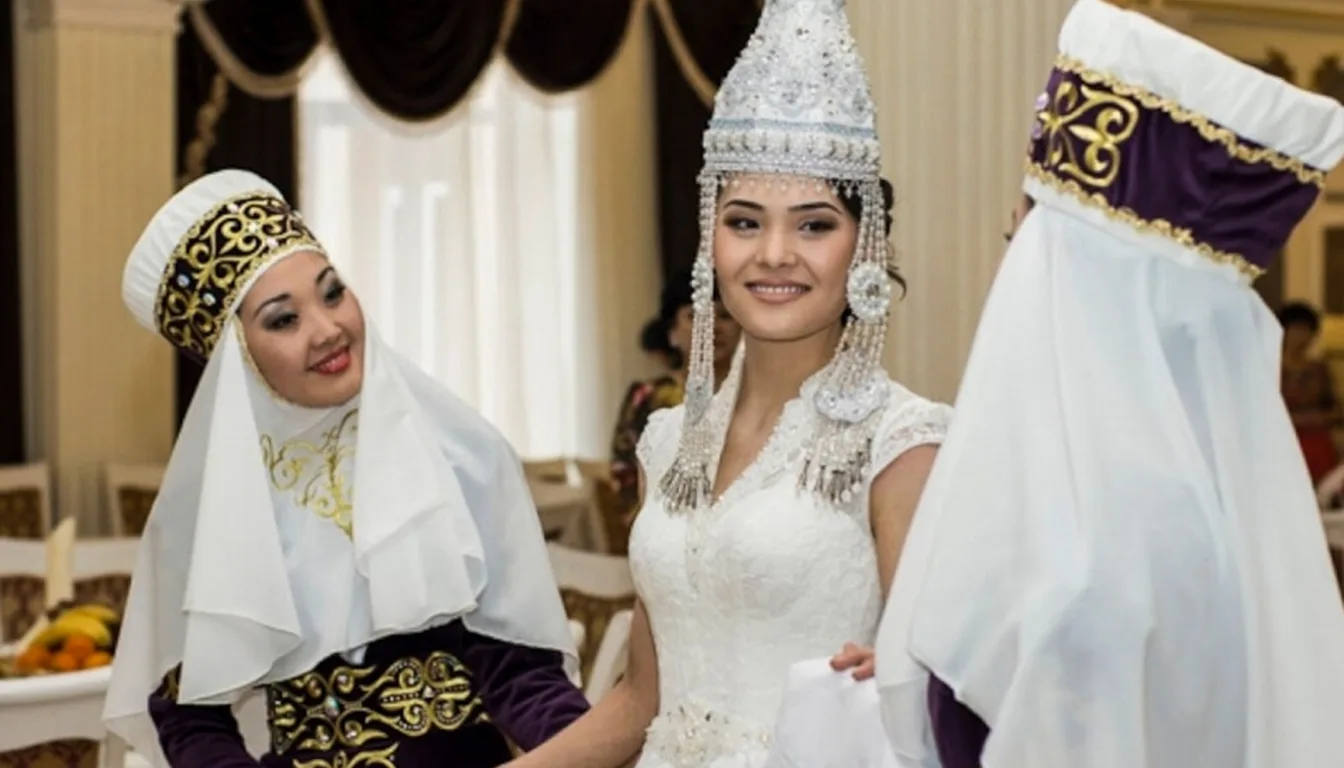
Kazakhstan wedding traditions are multi-day celebrations that blend ancient nomadic customs with Islamic rituals and modern festivity. A typical Kazakh wedding involves kuda tusu (matchmaking), kyz uzatu (the bride’s farewell party), betashar (the bride’s unveiling ceremony), neke qiyu (the Islamic marriage blessing), a grand toy (feast) for 200-400 guests, and total costs ranging from $10,000 to $50,000 or more depending on the family. These traditions remain deeply woven into Kazakh identity even as urban couples adopt contemporary styles.
The Kazakh Wedding Process: From Matchmaking to Celebration
A Kazakh wedding is never a single event. It unfolds over weeks or months as a structured sequence of negotiations, ceremonies, and celebrations involving both families. Even in modern Kazakhstan, the process follows a recognizable arc rooted in centuries of nomadic tradition.
The typical progression follows this order:
- Kuda tusu: formal matchmaking and family negotiations
- Kalyn mal: bride price negotiation and exchange
- Kyz uzatu: the bride’s farewell party at her family’s home
- Neke qiyu: the Islamic marriage ceremony
- Betashar: the bride’s unveiling before the groom’s family
- Kelin tusiru: welcoming the bride into her new home
- Toy: the grand wedding feast
Understanding this sequence is essential because each step carries distinct meaning. A Kazakh wedding is as much about uniting two families and their extended networks as it is about two individuals starting a life together.
Kuda Tusu: The Matchmaking Tradition
Kuda tusu is the formal matchmaking process where the groom’s family visits the bride’s family to discuss the marriage. Historically, marriages were often arranged between families of compatible social standing, wealth, or clan affiliation. According to research from Kazakhstan’s Institute of Ethnography and Anthropology and documented by Wikipedia’s overview of Kazakh customs, the Kazakhs followed the “zheti ata” rule, meaning couples had to be at least seven generations apart within the same tribe to avoid intermarriage.
During kuda tusu, the groom’s representatives (typically his father, uncles, and respected elders) bring gifts and negotiate the terms of the union. Key discussion points include:
- Kalyn mal: the bride price to be paid
- Jasau: the dowry the bride’s family provides
- Wedding timeline and logistics
- Family obligations and expectations
Even today, most Kazakh families observe some form of kuda tusu. Urban families may simplify it to a dinner meeting between both sets of parents, but the principle of formal family agreement remains strong.
The groom’s side traditionally brings gifts called “korzhin”, bags filled with sweets, fabric, and sometimes jewelry. If the bride’s family accepts the gifts, the engagement is considered official.
Kalyn Mal and Jasau: Bride Price and Dowry
Kalyn mal (bride price) is a transfer of wealth from the groom’s family to the bride’s family. Historically, this could involve significant assets:
| Historical Kalyn Mal | Modern Equivalent |
|---|---|
| 47-77 horses (wealthy families) | $5,000-$20,000 cash |
| Livestock herds | Gold jewelry sets |
| Silk fabrics and carpets | Household appliances |
| Weapons and saddles | Car or apartment contribution |
The kalyn mal is not a “purchase” of the bride (this is a common misconception). It represents respect for the bride’s upbringing and acknowledgment of the loss her family experiences. The amount signals the groom’s family’s financial standing and seriousness.
In return, the bride’s family provides jasau, the dowry. This typically includes household items, furniture, bedding, carpets, kitchen equipment, and clothing for the bride. Wealthy families may also contribute to the couple’s first home. Many Kazakh mothers begin collecting jasau items for their daughters years before any wedding is discussed.
Modern couples in Almaty and Astana increasingly negotiate these exchanges symbolically, though the tradition remains strong in southern Kazakhstan and rural areas.
Kyz Uzatu: The Bride’s Farewell Ceremony
Kyz uzatu (literally “seeing off the girl”) is the emotional farewell party hosted by the bride’s family, usually held one or two days before the main wedding feast. This is one of the most emotionally charged events in the entire wedding process.
During kyz uzatu:
- The bride’s family hosts 100-200 guests at their home or a rented venue
- The bride wears an elegant dress (often white or pastel, distinct from her wedding-day outfit)
- Synsu (farewell songs) are performed by female relatives, often bringing the bride and her mother to tears
- The bride’s parents give speeches and blessings
- Elders offer bata (traditional blessings) for the couple’s future
- The bride ceremonially leaves her parents’ home, sometimes not looking back (a superstition)
Kyz uzatu costs can be substantial, and families typically spend $3,000-$10,000 on this event alone. The emotional weight of kyz uzatu reflects the traditional understanding that the bride is leaving her family to join the groom’s household permanently.
For more on how family customs shape daily life, see our guide to Kazakhstan traditions.
Neke Qiyu: The Islamic Marriage Ceremony
Neke qiyu is the Islamic religious ceremony that formalizes the marriage. An imam or mullah conducts the ceremony, which typically takes place at a mosque, at the family home, or at the wedding venue before the main celebration begins.
The ceremony involves:
- Recitation of Quran verses, particularly Surah Al-Nisa (The Women)
- Exchange of consent: both bride and groom verbally agree to the marriage
- Witnesses: at least two Muslim witnesses must be present
- Mahr: the groom’s gift directly to the bride (distinct from kalyn mal)
- Prayer and blessing from the imam
Neke qiyu is separate from civil registration. Couples must also register their marriage at the ZAGS (civil registry office) for it to be legally recognized in Kazakhstan. Most couples complete both: neke qiyu for religious and cultural legitimacy, and civil registration for legal purposes.
Kazakhstan is a secular state, but based on Pew Research Center data, approximately 70% of ethnic Kazakhs identify as Muslim, and neke qiyu remains an expected part of virtually all traditional Kazakh weddings. For more on religion’s role, visit our culture of Kazakhstan guide.
Betashar: The Bride Unveiling Ritual
Recognized by UNESCO’s Intangible Cultural Heritage inventories as a distinctive Kazakh tradition, betashar is arguably the most iconic ritual in a Kazakh wedding. It takes place at the groom’s family home or at the wedding venue, and marks the bride’s formal introduction to her new family.
During betashar:
- The bride enters wearing a veil covering her face
- A zhyrau (singer/poet) or master of ceremonies performs a special betashar song
- The song introduces each of the groom’s relatives by name, describing their role and character
- As each relative is named, they approach the bride with a gift
- The bride bows to each relative as a sign of respect
- At the climax of the song, the veil is lifted, revealing the bride’s face to her new family
The betashar song is both entertaining and meaningful. The performer improvises verses, often including humor, compliments, and gentle advice for the bride. A skilled betashar performer is highly valued and can command significant fees.
After the unveiling, the bride is considered a full member of the groom’s family. She traditionally addresses her in-laws by respectful terms rather than their first names, a custom called “at tergeu” that some families still observe.
The Saukele: Iconic Bridal Headdress
The saukele is the most recognizable symbol of a traditional Kazakh bride. This tall, conical headdress stands 30-70 centimeters high and is decorated with:
- Silver and gold filigree
- Precious and semi-precious stones (coral, pearls, turquoise)
- Owl feathers (symbolizing protection)
- Embroidered silk and velvet
Historically, a saukele could cost more than the rest of the wedding combined; wealthy families spent the equivalent of hundreds of horses on a single headdress. Today, authentic saukele replicas cost $500-$5,000 and are often rented for the ceremony. Many brides wear a simplified saukele-inspired headpiece during the betashar and switch to a modern tiara or veil for the reception.
For more on traditional dress, see our guide to Kazakhstan traditional clothing.
The Toy: Kazakhstan’s Grand Wedding Feast
The toy (celebration/feast) is the main wedding reception and the largest single event in the process. Modern Kazakh toys are elaborate productions that can rival the scale of any international wedding.
Scale and Cost
| Wedding Category | Guest Count | Typical Cost (2026) | Venue |
|---|---|---|---|
| Modest (rural) | 100-150 | $5,000-$10,000 | Family home or village hall |
| Standard (urban) | 200-300 | $15,000-$30,000 | Banquet hall or restaurant |
| Upscale (Almaty/Astana) | 300-500 | $30,000-$80,000 | Premium venue or hotel |
| Luxury | 500+ | $80,000-$150,000+ | Five-star hotel ballroom |
According to Kazakhstan’s Institute of Ethnography survey data, cited in Wikipedia’s article on Kazakh weddings, the average Kazakh wedding in a major city costs $20,000-$40,000, making it one of the most significant financial events in a family’s life. Both families typically contribute, with the groom’s side covering the toy and the bride’s side funding kyz uzatu and jasau.
Entertainment and Program
A Kazakh wedding toy includes:
- Tamada (toastmaster/MC), the person who runs the entire evening program
- Live band or DJ, often both, alternating between traditional and modern music
- Toasts (tost): extensive, heartfelt, and numerous (expect 15-30 toasts)
- Dances: first dance, traditional Kazakh dances, group dancing
- Games and competitions: bouquet toss, garter, singing contests
- Kara zhorga, a traditional Kazakh dance that gets everyone on the floor
- Video presentations with childhood photos and love story montages
The tamada is key to a successful toy. A good one costs $500-$2,000 and keeps the energy high across 5-7 hours of programming. Guests are expected to dance, participate in games, and deliver toasts.
Food at a Kazakh Wedding
Food is central to any Kazakh celebration, and weddings feature the most elaborate dastarkhan (spread) of all. Expect a progression of courses over several hours:
Cold appetizers (served before guests arrive):
- Salads (Olivier, Korean carrot, tomato-cucumber)
- Cold cuts and cheese platters
- Bread, baursak (fried dough), and flatbreads
- Dried fruits, nuts, and sweets
Hot main courses:
- Beshbarmak (boiled meat with flat noodles), the national dish, often served as the centerpiece
- Kazy, horse meat sausage, a delicacy
- Kuurdak, fried meat with potatoes and onions
- Plov (pilaf) with lamb, carrots, and spices
- Manty, large steamed dumplings
Desserts and final course:
- Multi-tier wedding cake
- Chak-chak (honey pastry)
- Fruit platters
- Tea with baursak and sweets
Alcohol is served at most urban weddings, with vodka, cognac, wine, and champagne as standard offerings. However, some families in more conservative or religious areas hold alcohol-free celebrations.
For more on traditional dishes, see our popular food in Kazakhstan guide.
Wedding Dress: Traditional and Modern Styles
Traditional Bridal Attire
The traditional Kazakh bridal outfit consists of:
- Saukele headdress (described above)
- Koilek, a long embroidered dress, often in red or white
- Shapan, an ornate outer robe
- Jewelry: silver bracelets, earrings, rings, and belt ornaments
- Kamzol, an embroidered vest worn over the dress
According to research published by Kazakhstan’s Institute of Ethnography and Anthropology, and consistent with Britannica’s coverage of Central Asian wedding customs, red was the traditional color for Kazakh brides, symbolizing joy, life, and the sun. White became dominant only in the Soviet era under Russian and Western influence.
Modern Wedding Fashion
Today’s Kazakh brides typically wear:
- A white Western-style wedding gown for the civil ceremony and toy
- A saukele or saukele-inspired headpiece for the betashar ceremony
- A second evening dress for the after-party or second day of celebrations
- National-style elements incorporated into modern designs (embroidery, ornament patterns)
Kazakh bridal fashion designers like Aida Kaumenova and Seiit Kurmanbek have gained popularity for creating fusion designs that blend traditional Kazakh ornamentation with contemporary silhouettes.
Grooms typically wear a dark suit, though some opt for a traditional chapan (embroidered robe) during specific ceremonies.
Gift-Giving and Toasts at Kazakh Weddings
Gift Traditions
Gift-giving at Kazakh weddings follows specific customs:
- Money is the standard gift, typically $50-$200 per couple in envelopes
- Gifts are often presented publicly during the toy, with the tamada announcing each gift
- Close relatives give larger amounts ($500-$2,000+) or significant items (gold, appliances)
- The groom’s family receives gifts during betashar
- Shashu: the tradition of showering candy and coins over the bride (symbolizing sweet life and prosperity)
Toast Culture
Toasts are a serious matter at Kazakh weddings. Every table is expected to contribute at least one toast. The tamada manages the order, typically starting with the most respected elders and working through both families. Toasts are:
- Long and heartfelt (3-5 minutes each)
- Often poetic or proverbial
- Delivered standing, with a glass raised
- Followed by “bottoms up” for vodka (though sipping is acceptable for wine)
Expect 20-30 toasts across a typical wedding evening. Refusing to toast when called upon is considered disrespectful.
Regional Differences in Wedding Customs
Wedding traditions vary significantly across Kazakhstan’s regions:
| Region | Distinctive Features |
|---|---|
| Southern Kazakhstan (Shymkent, Turkestan) | Most traditional; larger kalyn mal, strict betashar, bigger guest lists (400+), more conservative |
| Western Kazakhstan (Aktau, Atyrau) | Oil wealth influences scale; lavish gifts and venues |
| Almaty | Most Westernized; boutique venues, smaller guest lists, fusion traditions |
| Astana | Modern and cosmopolitan; hotel weddings, shorter ceremonies |
| Northern Kazakhstan | Russian cultural influence stronger; some families skip neke qiyu |
| Rural areas | Most authentic traditional customs; yurt ceremonies still occur; community-wide participation |
Southern Kazakhstan, particularly the Turkestan and Shymkent regions, is considered the stronghold of traditional wedding customs. Families there often spend a higher percentage of their income on weddings and observe more elaborate versions of each ritual. In contrast, Almaty weddings increasingly resemble international celebrations with Kazakh elements woven in.
Multi-Day Celebrations and Post-Wedding Customs
A complete Kazakh wedding celebration can stretch across three or more days:
Day 1: Kyz uzatu at the bride’s family home Day 2: Neke qiyu, betashar, and the main toy at the groom’s family venue Day 3: Kelin chai (bride’s tea) where the new bride serves tea to her in-laws and neighborhood
After the wedding, several customs continue:
- Kelin chai: the bride prepares and serves tea to visitors, demonstrating hospitality skills
- Otka shal: the bride makes an offering to the hearth fire of her new home (symbolizing her acceptance of the household)
- At tergeu: the bride uses respectful nicknames for her husband’s relatives instead of their given names
- First return visit: the bride visits her parents’ home after a set period, confirming that both families remain connected
These post-wedding customs reinforce the idea that marriage in Kazakh culture is not a private contract but a community event that reshapes social relationships.
How Much Does a Kazakh Wedding Cost in 2026?
The total cost of a complete Kazakh wedding (all events combined) breaks down roughly as follows:
| Expense | Budget Range | Mid-Range | Upscale |
|---|---|---|---|
| Kyz uzatu | $2,000-$4,000 | $5,000-$10,000 | $15,000-$25,000 |
| Kalyn mal | $3,000-$5,000 | $7,000-$15,000 | $20,000-$50,000 |
| Main toy (venue, food, entertainment) | $5,000-$10,000 | $15,000-$30,000 | $40,000-$100,000 |
| Bride’s dresses and saukele | $500-$1,500 | $2,000-$5,000 | $5,000-$15,000 |
| Photography and video | $300-$800 | $1,000-$3,000 | $3,000-$10,000 |
| Jasau (dowry items) | $2,000-$5,000 | $5,000-$15,000 | $15,000-$40,000 |
| Total | $13,000-$26,000 | $35,000-$78,000 | $98,000-$240,000 |
According to Kazakhstan’s Bureau of National Statistics (stat.gov.kz), these costs are shared between both families, with wedding-related expenditures accounting for a significant portion of annual household income in southern regions. In southern Kazakhstan, families sometimes take loans or save for years to fund a wedding that matches social expectations. The financial pressure of weddings is a topic of ongoing social discussion in Kazakhstan, with some public figures calling for simpler celebrations.
Frequently Asked Questions
- What is betashar at a Kazakh wedding?
- Betashar is the ritual unveiling of the bride before the groom's family. A performer sings a special song introducing each relative by name. As each person is named, they approach with a gift, and the bride bows in respect. The ceremony ends with the veil being lifted, symbolizing her acceptance into the new family.
- How much does a typical Kazakh wedding cost?
- A mid-range Kazakh wedding in a major city costs $35,000-$78,000 total when combining all events, kyz uzatu, kalyn mal, the main toy, dresses, photography, and jasau. Budget weddings start around $13,000, while upscale celebrations in Almaty or Astana can exceed $100,000. Costs are shared between both families.
- What is kyz uzatu?
- Kyz uzatu (seeing off the girl) is the farewell party hosted by the bride's family, usually held the day before the main wedding feast. It involves farewell songs (synsu), speeches, blessings from elders, and an emotional sendoff as the bride leaves her parents' home.
- Do Kazakh weddings include a religious ceremony?
- Yes. Most Kazakh weddings include neke qiyu, an Islamic marriage ceremony conducted by an imam. It involves Quran recitation, exchange of consent, witnesses, and the mahr (groom's gift to the bride). Couples also register at the civil registry office (ZAGS) for legal recognition.
- What food is served at a Kazakh wedding?
- Kazakh weddings feature elaborate multi-course meals including cold appetizers, salads, beshbarmak (the national dish), kazy (horse meat sausage), plov (pilaf), manty (dumplings), baursak (fried dough), wedding cake, and extensive sweets. Vodka, wine, and champagne are served at most urban weddings.
- How many guests attend a Kazakh wedding?
- Kazakh weddings are large by international standards. Urban weddings typically have 200-400 guests, while southern Kazakhstan celebrations can exceed 500. The guest list includes extended family, friends, colleagues, and neighbors, not inviting someone can cause social offense.
Last verified: March 2026
More Stories
culture
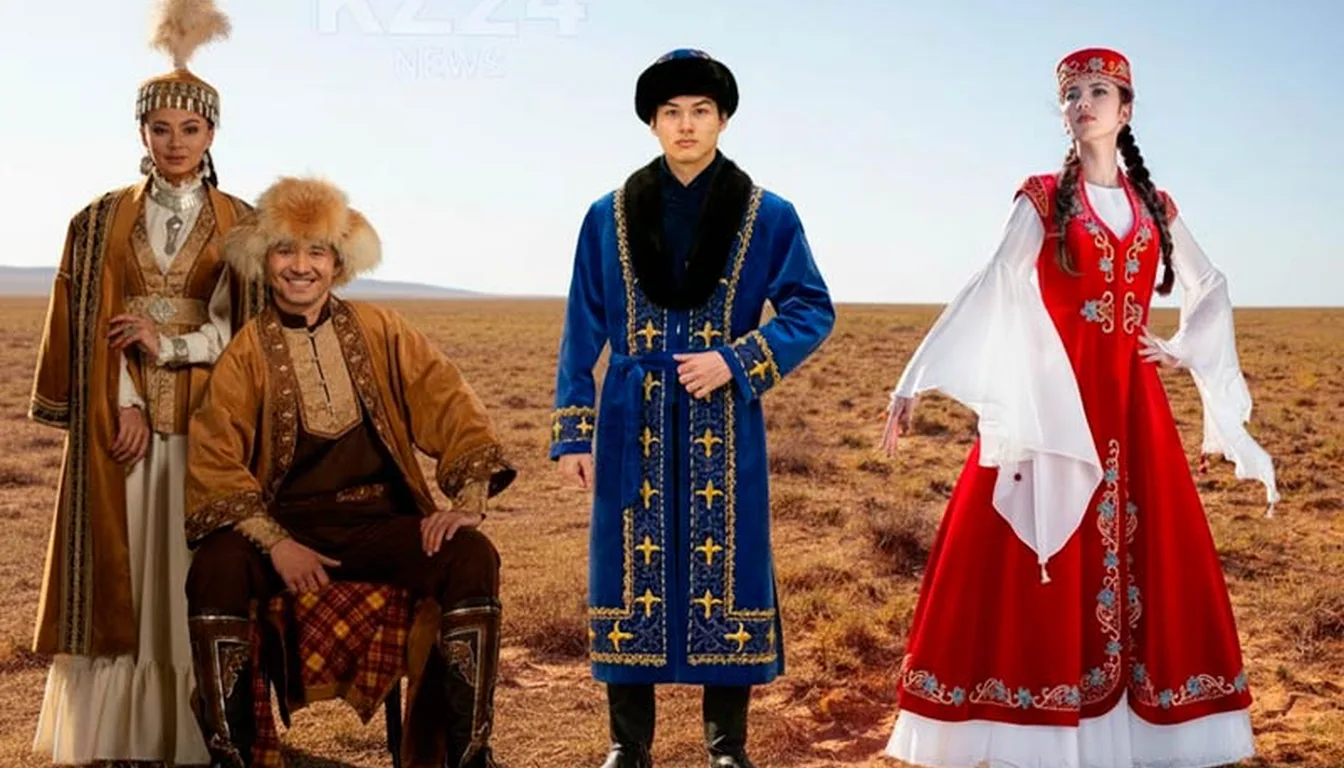
Kazakhstan Traditional Clothing: Chapan, Saukele & Tymak Guide (2026)
Complete guide to Kazakhstan traditional clothing: chapan robes, saukele headdresses, tymak fur hats. History, meaning, and where to buy authentic pieces.
culture
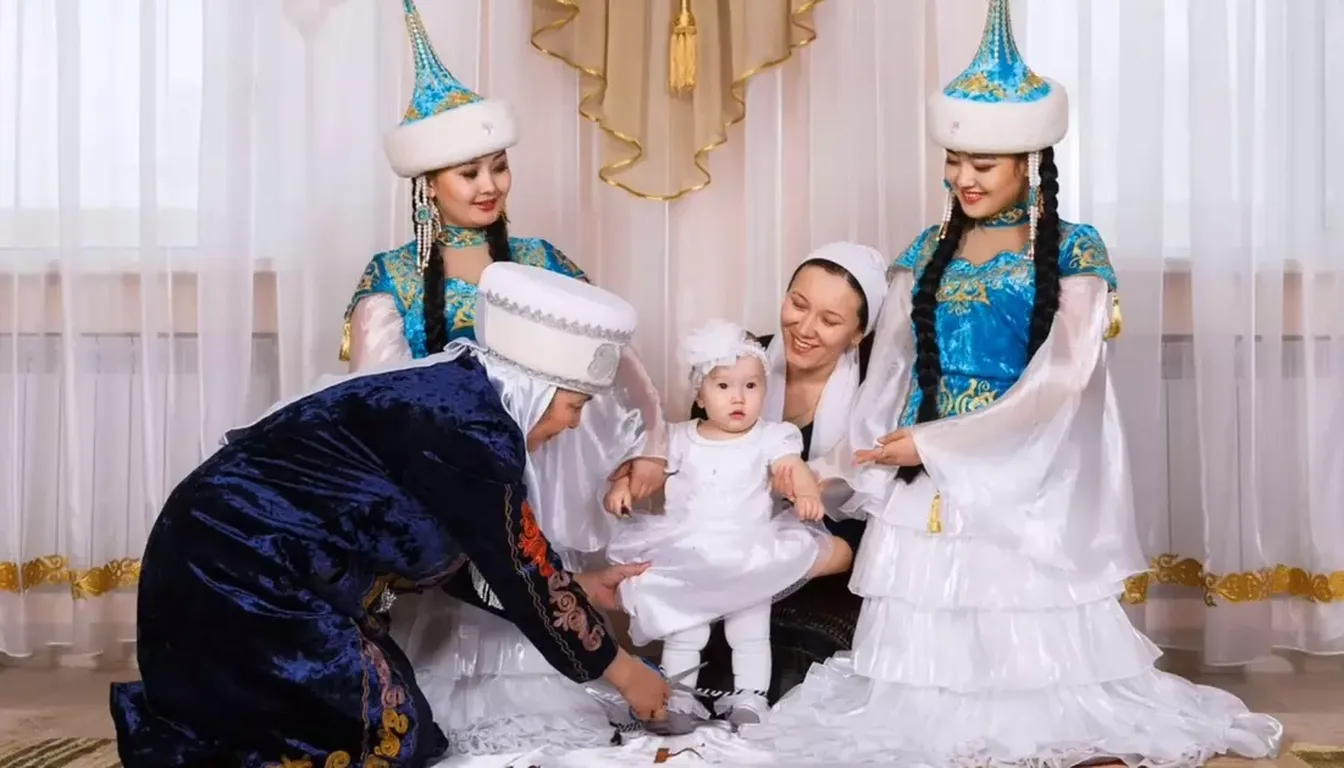
Kazakhstan Traditions: 15 Living Customs From the Steppe
Kazakhstan traditions: 15 living customs from dastarkhan hospitality and eagle hunting to Nauryz, horse games, and wedding rituals still practiced today.
culture
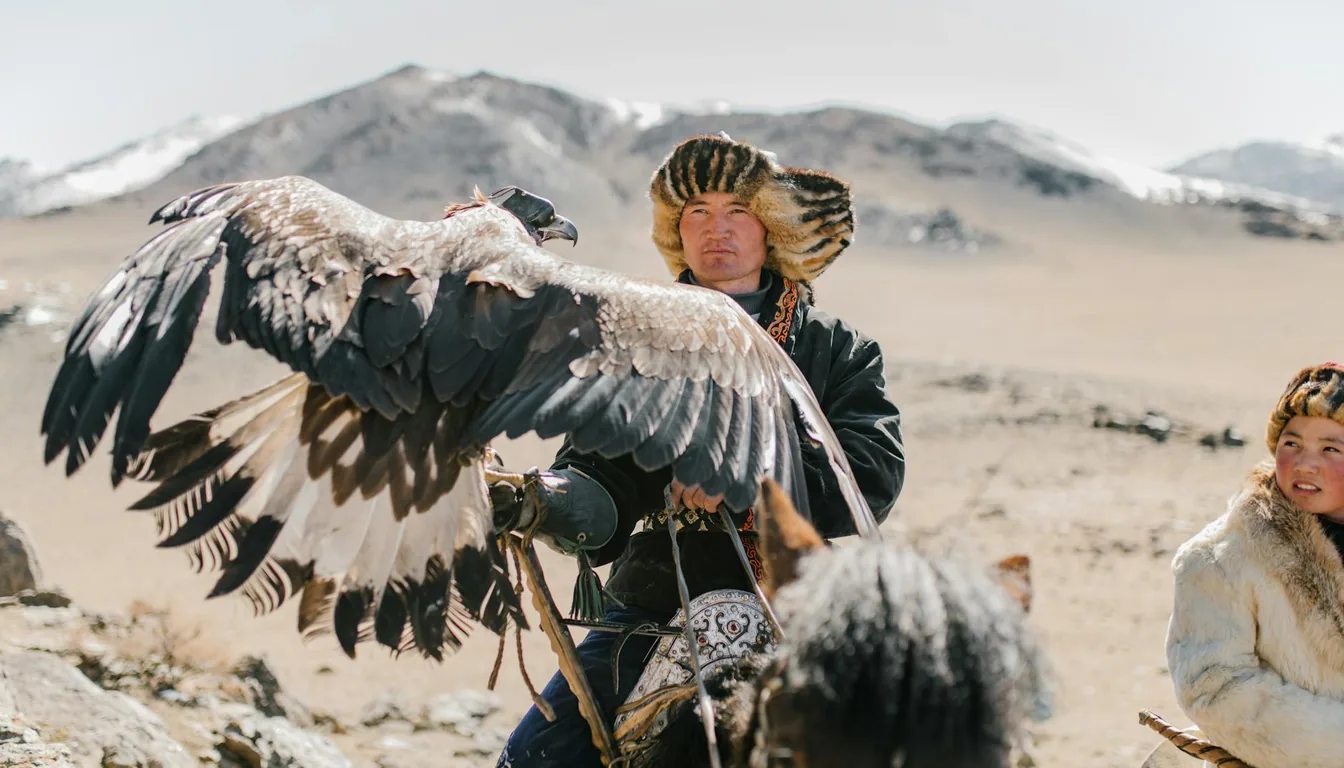
Kazakhstan Culture: Nomadic Traditions, Music & Hospitality Rituals
Kazakhstan culture explained by a local: 3,000 years of nomadic heritage, dombra music, yurt etiquette, hospitality rules, and 7 UNESCO traditions.