Kazakhstan Weather by Month: Climate & Packing
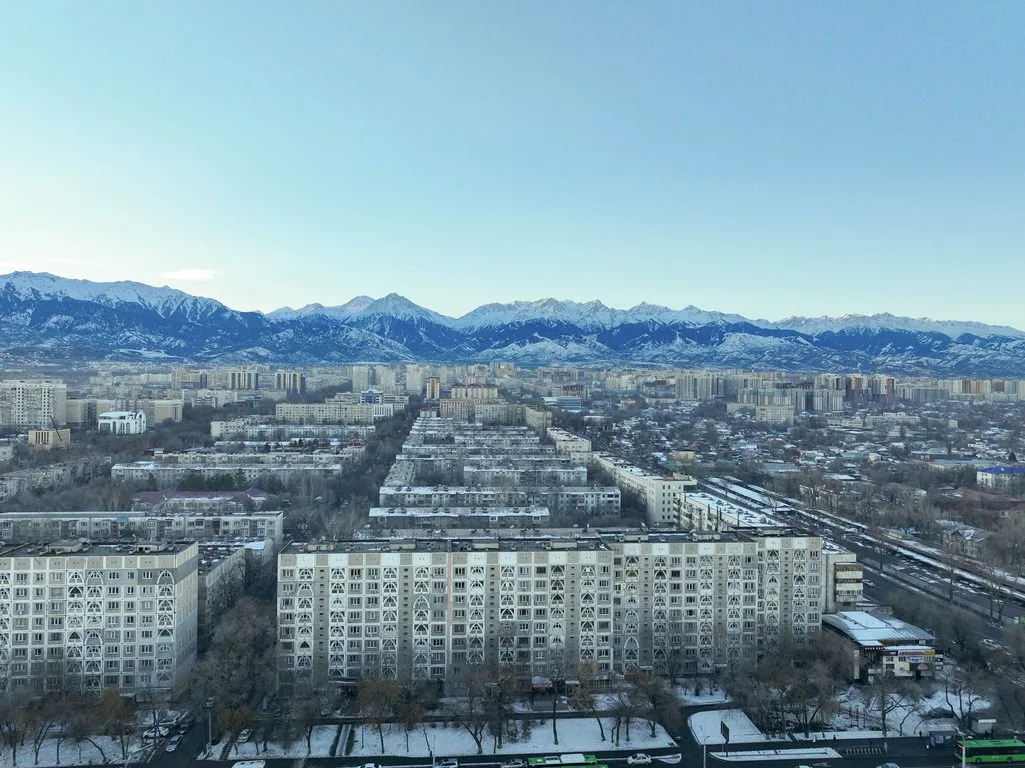
Kazakhstan weather varies dramatically by month and region, with temperatures ranging from -35C in Astana during January to 42C in southern Kazakhstan during July. Almaty averages 28C in July and -5C in January, while Astana reaches 27C in summer but drops to -15C or colder in winter. The best months for most travelers are May, June, September, and early October, when temperatures are mild (15-25C), skies are clear, and outdoor access across the country is at its peak.
According to the World Meteorological Organization, Kazakhstan has an extreme continental climate shaped by its massive size (2.72 million km²), distance from any ocean, and flat steppe terrain that offers no barrier to Arctic air masses in winter or hot desert air in summer. Wikipedia’s Climate of Kazakhstan article classifies the country as predominantly semi-arid and arid, with only the far south approaching a subtropical character. Understanding the weather by month is essential for planning any trip, especially since the difference between the best and worst travel months is enormous. This guide provides month-by-month detail for Almaty and Astana, plus regional breakdowns and practical packing advice.
Kazakhstan Climate Zones
Kazakhstan’s enormous territory spans multiple climate zones:
| Zone | Regions | Climate Type | Temperature Range |
|---|---|---|---|
| Northern steppe | Astana, Kostanay, Petropavlovsk | Harsh continental | -35C to +30C |
| Southern foothills | Almaty, Shymkent, Taraz | Moderate continental | -10C to +40C |
| Western coast | Aktau, Mangystau | Semi-arid, Caspian-moderated | -8C to +38C |
| Eastern mountains | Altai, East Kazakhstan | Mountain continental | -25C to +28C |
| Central desert | Kyzylorda, Betpak-Dala | Arid continental | -20C to +42C |
| Mountain zones | Tian Shan above 3,000m | Alpine | -20C to +15C |
The single most important factor: latitude and altitude. Astana (51N, flat steppe) and Almaty (43N, mountain-protected) are only 1,000 km apart but feel like different climates. Almaty’s mountains shield it from the worst Arctic blasts that hammer Astana. According to World Bank data, Kazakhstan covers 2,724,900 km², making it the world’s ninth largest country by area, and its east-to-west span of 3,000 km crosses nearly 10 degrees of latitude, directly responsible for the dramatic temperature variations between regions.
Month-by-Month Weather Table
| Month | Almaty High/Low | Astana High/Low | Almaty Rain (mm) | Astana Rain (mm) | Daylight Hours | Travel Rating |
|---|---|---|---|---|---|---|
| January | -1C / -10C | -10C / -19C | 30 | 15 | 9.5 | Low (ski) |
| February | 1C / -8C | -8C / -18C | 35 | 12 | 10.5 | Low (ski) |
| March | 9C / -2C | 0C / -10C | 60 | 15 | 12 | Low-Medium |
| April | 17C / 5C | 13C / 1C | 80 | 25 | 13.5 | Medium |
| May | 23C / 10C | 22C / 9C | 70 | 35 | 15 | High |
| June | 28C / 15C | 27C / 14C | 40 | 35 | 16 | High |
| July | 31C / 17C | 29C / 16C | 25 | 45 | 15.5 | High (hot south) |
| August | 29C / 15C | 27C / 13C | 20 | 30 | 14.5 | High |
| September | 23C / 10C | 20C / 7C | 25 | 20 | 12.5 | Highest |
| October | 14C / 3C | 10C / -1C | 45 | 25 | 11 | Medium-High |
| November | 5C / -3C | -2C / -10C | 40 | 20 | 9.5 | Low |
| December | -1C / -8C | -9C / -17C | 35 | 15 | 9 | Low (ski) |
Note: These are average temperatures based on Climate-Data.org historical records for Almaty and Astana. According to Bureau of National Statistics of Kazakhstan, the country recorded 2,300,000 domestic overnight tourist trips in 2023, with approximately 65% concentrated in the May to September window, confirming it as the dominant travel season. Extremes are significantly more dramatic (see the extreme weather section below).
January, Deep Winter
Almaty: Cold but manageable at -1C to -10C. Snow covers the city intermittently. The Tian Shan mountains above the city are heavily snow-covered and stunning from below. Shymbulak ski resort is in peak season with excellent snow conditions.
Astana: Brutally cold. According to Kazhydromet historical records, average lows of -19C, with cold snaps reaching -30C to -40C. The flat steppe offers no shelter from wind. Walking outside for more than 15 minutes requires serious winter gear. The frozen Ishim River and snow-covered futuristic skyline are photographically dramatic.
Best for: Skiing at Shymbulak, experiencing extreme cold in Astana (unique), indoor museums and cultural venues, low-season hotel prices.
February, Coldest Month
Almaty: Similar to January, occasionally colder. Ski season continues strong. The city starts feeling the anticipation of spring, though snow remains.
Astana: February is statistically Astana’s coldest month. Temperatures below -25C are routine. Blizzards can disrupt travel. This is genuinely dangerous cold for unprepared visitors.
Best for: Skiing, indoor cultural activities. Budget travelers benefit from the lowest hotel prices of the year.
March, Winter Fading
Almaty: Warming to 9C highs but unpredictable. Some days feel like spring; others bring late snowfall. Rain increases. The first green appears in parks by late March.
Astana: Still cold at 0C average high, though noticeably warming compared to February. Snow melts gradually on the steppe.
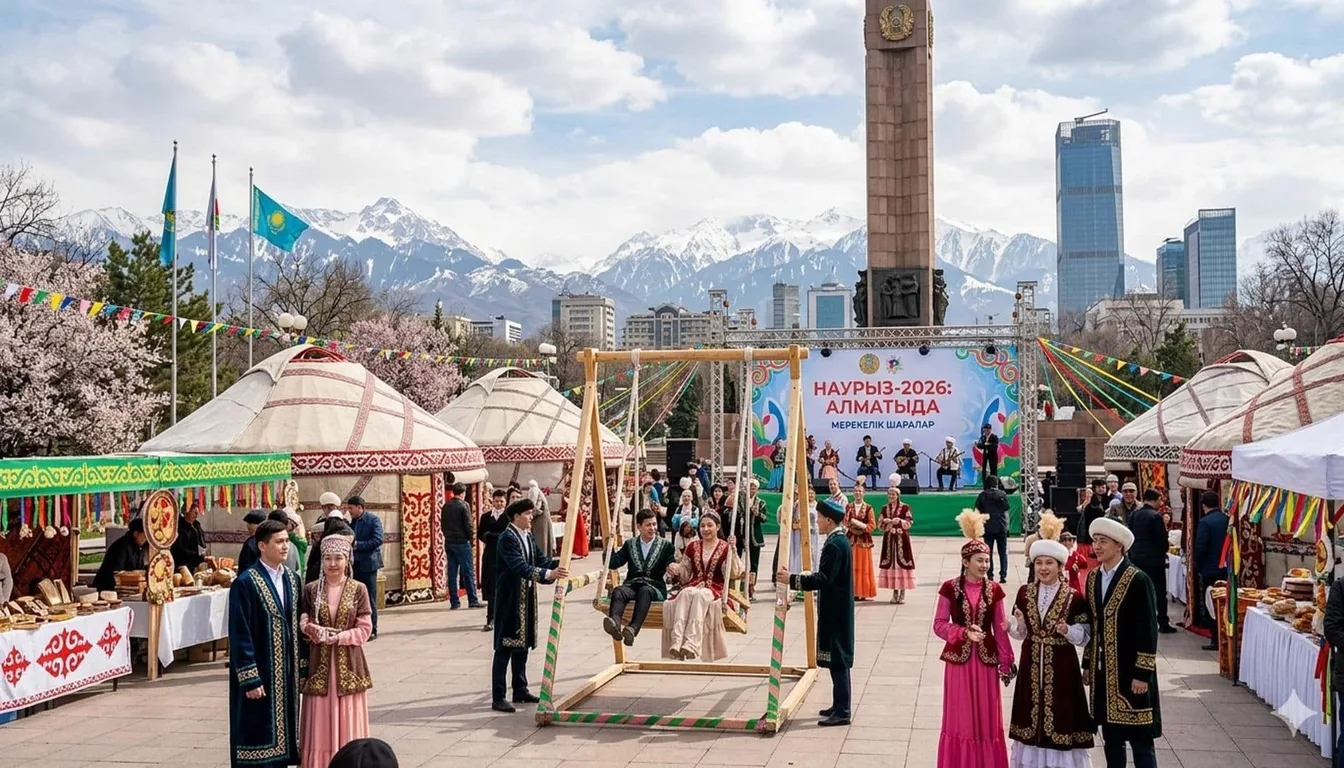
Best for: Nauryz celebrations (March 22), the most important Kazakh holiday. Yurts, horse games, traditional food, and music in both Almaty and Astana. According to Bureau of National Statistics of Kazakhstan, over 3,000,000 people participate in public Nauryz events across the country each year, making it the single largest mass gathering in Kazakhstan’s annual calendar. Nauryz alone is worth timing a visit for.
April, Spring Arrives
Almaty: Pleasant at 17C. Blossoms appear on city trees. Mountains are still snow-capped but lower trails start opening. Rainfall peaks, so carry a rain jacket.
Astana: Cool at 13C but rapidly warming. Steppe grass begins turning green. Days are noticeably longer.
Best for: Cherry blossom season in Almaty (mid-April), early hiking at lower elevations, Almaty city exploration without summer heat, wildflower viewing on the steppe.
May, Excellent Travel Month
Almaty: Warm at 23C, with long daylight hours (15 hours). According to Weatherspark’s Almaty climate summary, May is the transition month when cloud cover drops significantly and growing sunshine hours make outdoor activities reliably pleasant. Mountain trails below 3,000m are opening. Wildflowers cover alpine meadows. This is one of the two best months for travel.
Astana: Warm at 22C and pleasant. The steppe transforms into an ocean of green grass and wildflowers. Perfect city exploration weather.
Best for: Hiking (lower and mid-elevation trails), photography (wildflowers, green steppe), city exploration, road trips. All major things to do in Kazakhstan are accessible.
June, Summer Begins
Almaty: Warm to hot at 28C. Mountain trails are fully open except the highest passes. Long days with 16 hours of sunlight. Occasional afternoon thunderstorms in the mountains.
Astana: Warm at 27C. The short but intense steppe summer begins. Excellent for city exploration and steppe road trips. According to the Kazakhstan Tourism Committee, June through August accounts for approximately 55% of all international tourist arrivals, with over 1,200,000 visitors entering the country during the three summer months in 2025.
Best for: High-altitude hiking (Kolsai Lakes, Big Almaty Lake fully accessible), mountain photography, outdoor festivals, road trips across the steppe.
Warning: UV radiation is intense at altitude. Sunscreen and sunglasses are essential for mountain excursions.
July, Peak Summer
Almaty: Hot at 31C, occasionally reaching 36-38C. The city can feel oppressive on the hottest days, but the mountains remain 10-15C cooler.
Astana: Hot at 29C. The steppe dries out and turns golden-brown. Dust increases.
Southern Kazakhstan (Shymkent, Turkestan): According to World Meteorological Organization climate data, extremely hot, regularly exceeding 38C, sometimes hitting 42C+. Schedule Silk Road site visits for early morning or late afternoon.
Best for: High-altitude activities (escape the heat), swimming in mountain lakes, evening city exploration in Almaty.
Warning: Dehydration risk in southern Kazakhstan and the steppe. Carry 3+ liters of water on any outdoor excursion.
August, Late Summer
Almaty: Slightly cooler than July at 29C. Fruit season peaks and Almaty’s Green Bazaar overflows with melons, grapes, peaches, and apricots. Mountain conditions remain excellent.
Astana: Warm at 27C but nights cooling. The steppe is dry and golden.
Best for: Food markets, mountain hiking, photography (golden light), fruit harvest experiences, last chance for summer activities before autumn.
September, The Best Month
Almaty: Perfect at 23C. Clear skies, mild temperatures, stunning autumn foliage in the mountains. According to Weatherspark climate data for Almaty, September records an average of 8.9 hours of sunshine per day with only 25 mm of rainfall, the most favorable combination of any month and a key reason it is universally considered the single best month to visit Kazakhstan.
Astana: Pleasant at 20C during the day, cool evenings at 7C. Clear steppe skies with golden light.
Best for: Everything. Hiking, city exploration, Silk Road sites, photography, road trips. Mountain foliage near Almaty is spectacular in late September: golden birch and larch against dark spruce and snow-capped peaks.
October, Golden Autumn
Almaty: Cool at 14C. Early October is still excellent for travel; late October brings first frosts. Mountain trails above 2,500m may see early snow.
Astana: Cold at 10C with first snow possible by late October. Days shorten noticeably.
Best for: Early October photography (peak foliage), city exploration, museum visits. Late October transitions to off-season with lower prices.
November, Winter Approaching
Almaty: Cold at 5C. First significant snowfall in the mountains. Ski season preparations begin at Shymbulak. City feels grey and transitional.
Astana: Already winter at -2C. Snow accumulates on the steppe. Daylight drops to 9.5 hours.
Best for: Budget travel (low season prices), avoiding crowds at museums and cultural sites. Late November marks the start of ski season.
December, Winter Returns
Almaty: Cold at -1C / -8C. Snow in the city is intermittent. Ski season at Shymbulak is in full swing with reliable snow.
Astana: Deep winter returns at -9C / -17C. Holiday lights and New Year celebrations add atmosphere despite the cold.
Best for: Skiing, New Year celebrations (December 31 is a major holiday in Kazakhstan), winter photography, holiday markets.
Best Months by Activity
| Activity | Best Months | Notes |
|---|---|---|
| General sightseeing | May, Jun, Sep, Oct | Mild temperatures, long days |
| Hiking | Jun, Jul, Aug, Sep | Trails open, alpine access |
| Skiing | Dec, Jan, Feb, Mar | Shymbulak peak season |
| Photography | May (flowers), Sep (foliage) | Best natural light conditions |
| Silk Road sites | Apr, May, Sep, Oct | Avoid summer heat in south |
| Road trips | Jun, Jul, Aug, Sep | All roads accessible |
| City exploration | May, Jun, Sep | Comfortable walking weather |
| Cultural festivals | Mar (Nauryz), Jul (summer festivals) | Major celebrations |
| Budget travel | Nov, Dec, Jan, Feb | Lowest prices |
| Bird watching | Apr, May, Sep, Oct | Migration seasons |
Extreme Weather Warnings
Kazakhstan’s continental climate produces extremes that can catch travelers off guard:
Winter Cold (November-March)
- Astana regularly hits -30C in January-February. According to World Meteorological Organization climate normals, Astana averages 132 days per year with temperatures below 0°C, and the city receives only 300 mm of annual precipitation, 40% of which falls as snow. At -35C, exposed skin freezes in minutes
- Wind chill on the open steppe can push effective temperatures 10-15C below the measured temperature
- Blizzards (buran) can reduce visibility to zero on the steppe and close roads for hours
- Vehicle precautions: always carry emergency blankets, food, and water when driving between cities in winter
- Frostbite risk is real for anyone outdoors without proper clothing
Summer Heat (June-August)
- Southern Kazakhstan (Shymkent, Turkestan, Kyzylorda) regularly exceeds 40C in July
- Central steppe can reach 38-42C with no shade for hundreds of kilometers
- Dehydration and heat stroke are genuine risks on steppe road trips
- UV radiation at altitude near Almaty is significantly stronger than at sea level, and sunburn happens fast
Mountain Weather (Year-Round)
- Temperature drops of 10-15C between city and mountain altitudes happen within 30 minutes of driving
- Afternoon thunderstorms are common in mountains June-August, so start hikes early
- Snow at altitude is possible even in July above 3,500m
- Mountain roads (Big Almaty Lake road, Kolsai Lakes road) close November-April due to snow and ice
Regional Weather Guide
Almaty Weather
Based on Kazakhstan Meteorological Service data, Almaty has Kazakhstan’s most moderate climate, protected by the Tian Shan mountains from the worst Arctic air masses. Britannica notes that the Tian Shan range acts as a southern buffer, giving Almaty a climate closer to that of Central Asian foothills than to the harsh steppe conditions that dominate the rest of the country. Summers are warm but not oppressive (28-31C), and winters are cold but manageable (-5C to -10C). The city receives more precipitation than the rest of Kazakhstan due to its mountain proximity, with April-May being the wettest months.
Key advantage: Mountain access year-round. Ski in winter, hike in summer, drive to alpine lakes in autumn.
Astana Weather
Based on Kazakhstan Meteorological Service records, Astana is one of the coldest capital cities in the world. Its flat steppe location at 347m elevation offers zero protection from Siberian air masses. According to World Meteorological Organization climate normals, the temperature range between summer peak (+35C) and winter trough (-40C) is among the most extreme of any world capital, a 75C swing. stat.gov.kz climate records confirm that Astana averages over 130 days per year with temperatures below 0C, more than any other capital city in the Northern Hemisphere except Ulaanbaatar.
Key warning: Do not underestimate Astana winter. Dress in serious layered winter clothing. The EXPO area and Bayterek tower have indoor connections that reduce outdoor exposure.
Shymkent and South Kazakhstan
The warmest region year-round. Winters are mild by Kazakh standards (-3C to -8C). Summers are extremely hot (35-42C). According to Bureau of National Statistics of Kazakhstan, Shymkent has a population of over 1,100,000, making it Kazakhstan’s third largest city, and its southern latitude gives it roughly 2,700 hours of sunshine per year, nearly double Astana’s 1,800 hours annually. Spring and autumn are the ideal visit seasons for Silk Road sites (Turkestan, Otrar, Taraz).
Aktau and Western Kazakhstan
The Caspian Sea moderates Aktau’s climate: milder winters (-2C to -5C) and hot, dry summers (30-35C). The Mangystau interior is hotter and drier than the coast. Desert excursions should be planned for spring or autumn to avoid dangerous summer heat.
East Kazakhstan and Altai
Mountain terrain creates variable weather. Valleys can be warm in summer (25-28C) while passes remain cool. Winters are severe (-20C to -30C) with heavy snowfall. The region is Kazakhstan’s greenest, with forests, rivers, and alpine lakes.
What to Pack for Kazakhstan
Summer Travel (June-August)
- Lightweight, breathable clothing
- Sun hat and quality sunglasses (UV protection essential)
- SPF 50+ sunscreen
- Light rain jacket (for mountain thunderstorms)
- Warm fleece or down jacket (for mountain excursions, where it is 10-15C cooler at altitude)
- Hiking boots with ankle support
- Swimwear (alpine lakes, hotel pools)
- Reusable water bottle (2+ liters for day trips)
Shoulder Season (May, September-October)
- Layering system, because temperatures swing widely within a single day
- Medium-weight jacket
- Rain gear
- Comfortable walking shoes
- Light scarf (useful for wind and mosque visits)
- One warm layer for evening temperatures
Winter Travel (November-March)
- Heavy winter coat (rated to -30C if visiting Astana)
- Thermal base layers (merino wool recommended)
- Insulated waterproof boots
- Warm gloves (touchscreen-compatible useful)
- Wool or fleece hat covering ears
- Scarf or balaclava
- Hand and foot warmers for Astana outdoor walks
- Ski gear (available for rental at Shymbulak)
Universal Items
- Power adapter (Type C/F European-style plugs, 220V)
- Translation app with offline Kazakh and Russian packs
- Portable phone charger
- Cash in small denominations for rural areas
How Weather Affects Travel Logistics
| Condition | Impact | Months |
|---|---|---|
| Mountain road closures | Big Almaty Lake road, Kolsai road closed | Nov-Apr |
| Flight disruptions | Rare, mostly Astana winter blizzards | Dec-Feb |
| Train delays | Occasional in heavy snowfall | Dec-Feb |
| Road conditions | Ice on highways, reduced visibility in buran | Nov-Mar |
| Charyn Canyon access | Open year-round, very hot in summer | Jul-Aug (heat) |
| Baikonur launches | Unaffected by weather | Year-round |
| Turkestan visits | Extreme heat in summer | Jul-Aug (heat) |
For more on planning your trip timing, see our dedicated best time to visit Kazakhstan guide.
Frequently Asked Questions
- What is the best month to visit Kazakhstan?
- September is widely considered the best month to visit Kazakhstan. Temperatures are comfortable (15-23C in most regions), skies are consistently clear, mountain foliage near Almaty is spectacular, and tourist crowds are thinner than in summer. May and June are equally excellent alternatives with wildflowers and long daylight hours.
- How cold does Kazakhstan get in winter?
- Astana regularly reaches -30C to -35C in January-February, with record lows approaching -52C. Northern steppe regions see similar extremes. Almaty is milder at -5C to -10C average winter temperatures, protected by the Tian Shan mountains. Kazakhstan is one of the coldest countries on Earth during winter. Only Russia, Mongolia, and Canada compare.
- Does it snow in Kazakhstan?
- Yes, extensively. Snow covers most of Kazakhstan from November through March. Astana typically has snow on the ground for 5-6 months per year. Mountain areas above 3,000m retain snow year-round. The steppe north of Almaty receives moderate snowfall, while the mountains receive heavy snow that supports ski resorts like Shymbulak (November-April).
- Is Kazakhstan too hot in summer?
- Southern and central Kazakhstan can be dangerously hot in July-August, with temperatures reaching 38-42C. However, Almaty is warm but manageable at 28-31C, and mountain areas remain cool (15-20C) even in midsummer. The key is choosing the right region: head to mountains and northern areas for comfortable summer travel, and visit Silk Road sites in the south during spring or autumn instead.
- When is ski season in Kazakhstan?
- Ski season at Shymbulak resort (near Almaty) runs from late November to early April. The best snow conditions are in January-February. The resort has chairlifts reaching 3,200m elevation with 20+ km of runs. Almaty itself remains relatively mild during ski season, making it easy to combine city exploration with mountain skiing.
- What should I pack for Kazakhstan?
- It depends entirely on the season. Summer visitors need sun protection, light layers, and a warm jacket for mountain excursions. Winter visitors to Astana need clothing rated to -30C: thermal base layers, insulated coat, warm boots, gloves, and face protection. Year-round essentials include a power adapter (Type C/F), translation app, and portable phone charger.
Last verified: March 2026
More Stories
travel
Best Time to Visit Almaty: Month-by-Month Weather Guide
The best time to visit Almaty is May-June and September. Month-by-month weather, hiking seasons, ski conditions, events, and hotel price trends.
travel
Best Time to Visit Kazakhstan: Month-by-Month Guide (2026)
When is the best time to visit Kazakhstan? Complete month-by-month breakdown with temperatures, rainfall, crowd levels, activities by season, and regional tips.
culture
Nauryz in Kazakhstan
Nauryz in Kazakhstan: the 3,000-year-old spring New Year celebrated every March 22. Nauryz kozhe, horse games, yurt festivals, and 2026 event calendar.