Kazakhstan Traditional Clothing: Chapan, Saukele & Tymak Guide (2026)
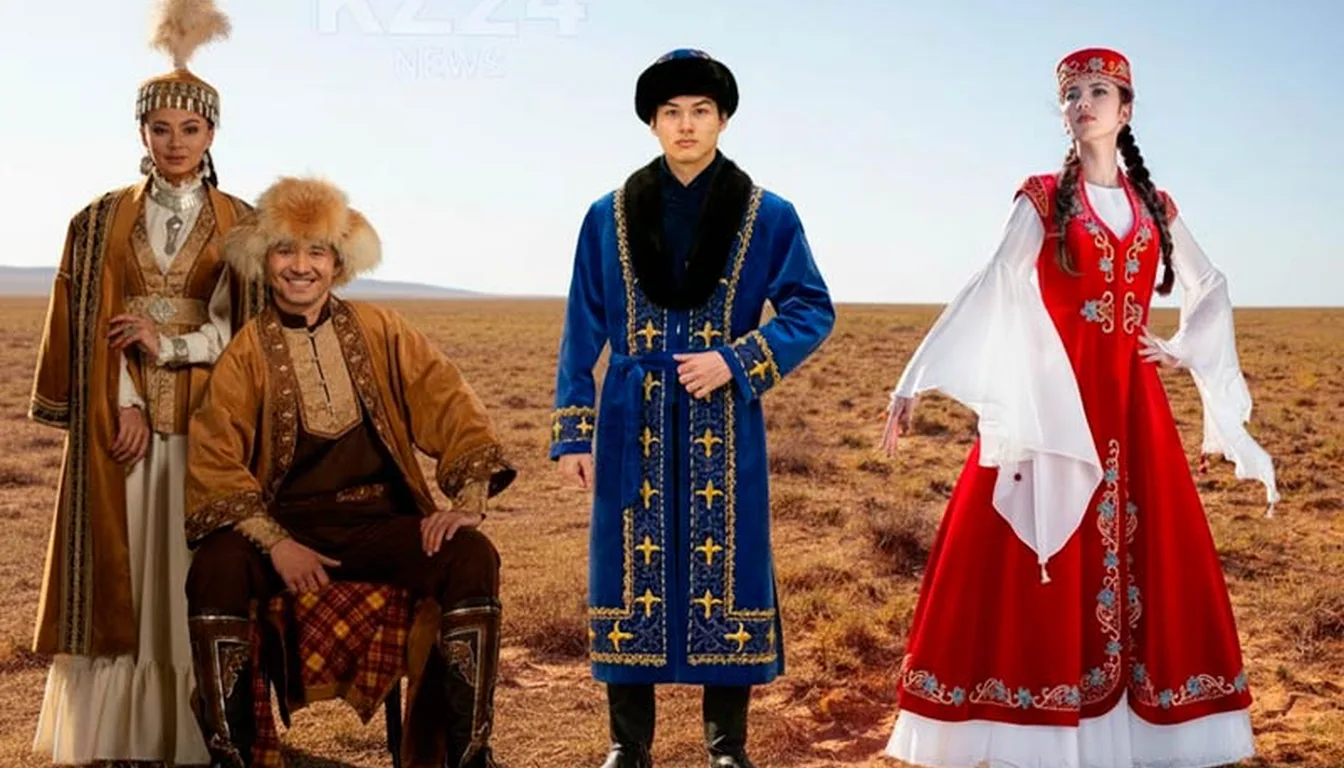
Kazakhstan’s traditional clothing was built for life on the Central Asian steppe: durable enough for horseback travel, warm enough for winters that reach -40°C, and visually rich enough to communicate social status, marital standing, regional identity, and clan affiliation at a glance. The most iconic pieces are the chapan (a long quilted robe), the saukele (an extraordinary tall bridal headdress), and the tymak (a fur-lined winter hat). As of 2026, these garments are actively worn during Nauryz celebrations, weddings, and official ceremonies. They are living culture, not museum pieces.
The Philosophy Behind Kazakh Traditional Dress
Traditional Kazakh clothing was not just functional. It was a visual language. A skilled observer could read a person’s:
- Age and life stage (young unmarried woman vs. married woman vs. elder)
- Marital status (different headdresses for each stage)
- Wealth and family status (quality of embroidery, type of fur, use of silver)
- Regional and tribal origin (patterns and cuts varied by Zhuz and region)
- Occasion (everyday vs. ceremonial clothing used different fabrics and ornament levels)
Materials came from what the steppe provided: wool (from sheep and camels), leather (horse, cattle, goat), fur (fox, wolf, lynx), and felt (hand-processed sheep wool). According to the Kazakhstan National Museum’s ethnographic collection, the Silk Road added silk, cotton, and metalwork from China, Persia, and Byzantium.
For broader cultural context, see our guide on Kazakhstan culture and traditions.
Key Pieces of Kazakhstan Traditional Clothing
1. Chapan, The Iconic Robe
The chapan (шапан) is the most widely recognized and universally worn piece of Kazakh traditional dress. It is a long, quilted outer robe, typically knee-length to ankle-length, made from velvet, silk, or heavy cotton, lined with wool or cotton batting for warmth.
Key facts about the chapan:
- Worn by both men and women (cuts and embroidery differ)
- Produced in regions across Kazakhstan; designs vary by area
- The tradition of chapan kigizu (“putting on the chapan”), giving a chapan as an honor gift, is one of the most important social rituals in Kazakh culture. Distinguished guests, honored elders, and winners of competitions receive chapans as a sign of respect
- Colors and embroidery signify occasion: rich burgundy and dark blue for formal events; lighter colors for celebrations
- According to UNESCO’s Intangible Cultural Heritage programme, the chapan tradition is recognized as an element of Kazakhstan’s intangible cultural heritage
The chapan remains one of the most commonly worn traditional garments in modern Kazakhstan. During Nauryz (Kazakh New Year, March 21–22), chapans are worn by millions across the country, from village elders to government ministers.
Craftsmanship: A quality handmade chapan requires 30–60 hours of embroidery work. The most elaborate ceremonial chapans feature fine zere (needlework) in gold and silver thread across the entire garment.
2. Saukele, The Bridal Crown
The saukele (сәукеле) is arguably the most spectacular piece of clothing in all of Kazakh culture, a tall, cone-shaped bridal headdress that is the centerpiece of a Kazakh wedding ceremony. According to Britannica’s entry on Kazakh dress, the saukele represents one of the most elaborate forms of bridal ornamentation in Central Asian nomadic tradition.
| Feature | Detail |
|---|---|
| Height | 50–70 cm |
| Base material | Felt or cardboard, covered in velvet or silk |
| Decorations | Silver and gold metalwork, coral, pearls, precious and semi-precious stones, bird feathers |
| When worn | Wedding ceremony and the first year of marriage |
| Historical cost | Could equal the value of a herd of horses, a family’s most precious possession |
| Symbolism | Represents the bride’s transition from her natal family to her new family |
The saukele was made by master craftspeople (zeregер) and represented months of skilled work. Historical saukele from the 18th-19th centuries preserved in museums are encrusted with hundreds of pieces of coral, turquoise, silver coins, and semi-precious stones, making them extraordinary examples of Central Asian jewelry art.
The saukele was worn during the wedding ceremony and for the first year of marriage, after which the bride transitioned to a simpler head covering signifying her status as a married woman.
See our article on Kazakh culture for more context on historical roles and status.
3. Tymak, The Winter Hat
The tymak (тымақ) is a traditional winter hat with four large ear and neck flaps, made from the fur of foxes, wolves, or sheep. It was essential survival gear on the steppe, where temperatures plunge below -30°C and wind chill can be brutal.
Different tymak styles indicated regional origin and social status:
- Fox fur was standard for herders and craftspeople
- Wolf fur was associated with warriors and hunters
- Sable or expensive fur indicated noble or wealthy status
The tymak is still worn in rural Kazakhstan today, particularly by elderly men. It has also been adopted into fashion; contemporary Kazakh designers create modern tymak versions as statement pieces.
4. Kalpak, The Felt Hat
The kalpak (қалпақ) is a white felt hat with a distinctive shape, typically with an upturned brim and often decorated with black embroidery along the edges. According to Wikipedia’s overview of Central Asian traditional dress, it is the quintessential Kazakh men’s hat, associated with dignity, elderhood, and national identity.
Different from the tymak (winter/functional), the kalpak is a warm-weather or ceremonial hat worn by men. The Central Asian kalpak tradition is shared by Kyrgyz and Kazakh cultures (the Kyrgyz kalpak is similar in form).
White kalpaks are commonly seen at official ceremonies and national celebrations. Giving a kalpak as a gift carries significant symbolic meaning.
5. Borik, Women’s Hat
The borik (бөрік) is a women’s hat, typically round or slightly dome-shaped, with a fur trim around the base, decorative embroidery, and traditionally adorned with owl feathers at the top. The owl (үкі, uki) is a sacred symbol in Kazakh tradition, associated with protection of women and children.
Young unmarried women and married women wore different borik styles. The quality and decoration of a borik indicated a family’s wealth. The owl feather decoration was considered protective, a charm against misfortune.
6. Kimeshek, Married Woman’s Head Covering
The kimeshek (кимешек) is a white head covering worn by married women, a fabric that wraps around the head and shoulders, typically embroidered around the face opening. After a Kazakh bride’s first year of marriage (when she wore the saukele), she would transition to the kimeshek as the marker of her married status.
The kimeshek is less commonly seen today but remains worn by older women in rural and traditional communities.
7. Kamzol, The Embroidered Vest
The kamzol (камзол) is a sleeveless or short-sleeved vest worn over a dress or shirt by women. Women’s kamzols are typically made from velvet and embroidered with detailed ornamental patterns. They are the most commonly incorporated traditional element in modern Kazakh fashion. Contemporary designers regularly create kamzol-inspired pieces that blend traditional embroidery with modern silhouettes.
8. Beldemshi, Married Woman’s Skirt
The beldemshi (белдемші) is a wrap-around skirt worn by married women over their main garment as a sign of marital status. It was commonly embroidered with geometric and tribal motifs. The beldemshi marked a woman’s transition to married life and was worn at social gatherings.
9. Kebis and Masi, Traditional Footwear
Kazakh traditional footwear consists of two layers:
- Kebis (кебіс): Decorative outer boots, typically made from soft leather with elaborate stitching and bright dyeing. Worn for ceremonial occasions.
- Masi (мәсі): Soft leather inner boots, worn alone in warmer conditions or inside kebis in colder weather. The masi protected the foot while the kebis protected the masi and created the ceremonial look.
Both are made from leather that has been worked, dyed, and hand-stitched by craftspeople. Authentic kebis from skilled craftspeople remain expensive and time-consuming to produce.
Men’s Traditional Dress vs. Women’s Traditional Dress
| Category | Men | Women |
|---|---|---|
| Outer robe | Chapan (straighter cut, often darker) | Chapan (fitted, more decorative) |
| Daily headwear | Kalpak (felt, white) or tymak (fur, winter) | Borik (younger women), kimeshek (married) |
| Ceremonial headwear | Kalpak with decorative band | Saukele (bridal) |
| Vest | Simple or embroidered | Kamzol (heavily embroidered) |
| Footwear | Kebis over masi | Kebis over masi |
| Status markers | Belt style and buckle, weapon accessories | Saukele quality, jewelry, kimeshek style |
| Marriage indicator | Belt style | Kimeshek (married), borik style (unmarried) |
Materials and Textile Craftsmanship
Traditional Kazakh textile arts include several distinct crafts:
Felt-making (kiyiz): Processed sheep wool pressed and rubbed into sheets. Used for yurt coverings, floor rugs, wall hangings, and clothing underlayers. According to UNESCO’s Intangible Cultural Heritage listing for traditional felt-making in Turkic-speaking countries, Kazakhstan’s felt tradition is ancient; felt-making tools have been found in Scythian burial mounds dating to 600–400 BCE.
Embroidery (zere and baskur): Fine needlework on velvet, silk, and cotton using wool, cotton, silk, and metallic thread. Used on chapans, kamzols, wall hangings, and saddle covers. Regional embroidery styles are distinctive, and a knowledgeable eye can identify a garment’s origin by its patterns.
Leather work: Tanning and decorating horse, cattle, and goat hides for boots, belts, saddle gear, and decorative items. Kazakh leather work combines functional durability with decorative artistry.
Metalwork: Silver and gold smithing for jewelry, saukele frames and decorations, belt buckles, and horse gear. Kazakhstan has ancient metalworking traditions. According to the Kazakhstan National Museum and Wikipedia’s article on the Saka Golden Man, the Saka “Golden Man” (4th century BCE) was found in a suit with over 4,000 individual gold pieces.
For more on textile traditions, see our detailed guide on Kazakhstan traditions.
Traditional Clothing in Modern Kazakhstan
Traditional clothing is not museum-only. It is actively worn:
- Nauryz (March 21–22): The most visible day for traditional dress. Chapans, kalpaks, and full traditional outfits are worn by millions nationwide, from schoolchildren to the President.
- Weddings: The saukele remains part of many Kazakh wedding ceremonies. Brides wear it for the bata (blessing ceremony) and some wedding photos.
- Official state ceremonies: Government ministers and officials frequently receive chapans as gifts. The President wears a chapan at major national events.
- Cultural festivals: The World Nomad Games (held periodically in Central Asia), the Silk Road Festival, and local merekey celebrations feature extensive traditional dress.
- Independence Day (December 16) and Constitution Day: Traditional clothing is visible at official functions.
In everyday urban life, most Kazakhs wear Western-style clothing. However, elements of traditional dress (embroidered kamzols, traditional jewelry, Kazakh-patterned textiles) are increasingly incorporated into modern fashion. A generation of young Kazakh designers is actively blending traditional motifs with contemporary cuts.
Regional Variations by Zhuz
Kazakh traditional clothing varies across the three Zhuz (tribal confederations) that historically divided the steppe. According to ethnographers at the Kazakhstan National Museum, the Senior Zhuz (southern Kazakhstan, near Shymkent and Turkestan) favored heavier silk and Persian-influenced embroidery reflecting Silk Road trade proximity. The Middle Zhuz (central and eastern regions) used more geometric patterns and wolf-fur tymaks suited to the harsh continental climate. The Junior Zhuz (western Kazakhstan, near Aktau and the Caspian) incorporated elements from Turkmen and Karakalpak traditions, including distinctive belt styles and silver jewelry.
Jewelry and Accessories
Traditional Kazakh jewelry served both decorative and symbolic purposes. Women wore silver bracelets (bilezik), rings, and pectoral ornaments (onirzhiek) that indicated wealth and marital status. Coral and turquoise were the most valued stones, believed to carry protective properties. Men’s accessories focused on belts (belbeu) with ornate silver buckles, knife sheaths, and horse riding equipment decorated with silver inlay. According to the Golden Man archaeological find dating to the 4th century BCE, Kazakhstan’s metalworking and jewelry traditions stretch back over 2,400 years.
Where to Buy Traditional Kazakh Clothing
In Kazakhstan:
- Zelyony (Green) Bazaar, Almaty: Embroidered items, hats, decorative textiles, with a wide range of prices
- Arbat pedestrian street, Almaty: Souvenir-grade and mid-quality traditional items
- Craft markets in Turkestan: Traditional textiles, ceramics, and reproductions near the Yasawi Mausoleum complex
- Artisan workshops (Almaty, Astana): Custom-made chapans and saukele from specialist craftspeople; allow several weeks for commission work
Price ranges (2026):
- Basic embroidered kamzol vest: $20–80
- Quality chapan (mass-produced): $100–300
- Handmade chapan with full embroidery: $500–2,000+
- Kalpak felt hat: $20–80
- Traditional saukele (reproduction): $300–800
- Authentic antique saukele (museum quality): $2,000–15,000+
Online: Kazakh Etsy sellers and local platforms like OLX.kz list traditional items; quality varies significantly. Look for sellers who show their own work rather than resellers.
Frequently Asked Questions
- What is the traditional clothing of Kazakhstan?
- The most important traditional garments are the chapan (a long quilted robe worn by both men and women, given as an honor gift), the saukele (a spectacular tall bridal headdress decorated with silver and precious stones), the tymak (a fur winter hat with ear flaps), the kalpak (a white felt hat for men), and the kamzol (an embroidered vest for women). Together they form the core of Kazakh traditional dress, still actively worn during Nauryz, weddings, and national ceremonies.
- What is a chapan in Kazakhstan?
- A chapan is a long quilted outer robe, Kazakhstan's most iconic traditional garment. Made from velvet, silk, or cotton lined with wool for warmth, it is worn by both men and women. The tradition of chapan kigizu (giving a chapan as an honor gift) is one of the most important social gestures in Kazakh culture, distinguished guests, honored elders, and competition winners receive chapans as a mark of respect. UNESCO recognizes the chapan tradition as part of Kazakhstan's intangible cultural heritage.
- What does a Kazakh bride wear?
- A Kazakh bride traditionally wears a saukele, a tall cone-shaped headdress 50–70 cm high, decorated with silver metalwork, coral, pearls, precious stones, and bird feathers. The saukele was historically the most valuable piece of clothing a family could own, sometimes costing the equivalent of a herd of horses. She also wears an embroidered dress and chapan. The saukele is worn during the wedding ceremony and for the first year of marriage.
- Do Kazakhs still wear traditional clothing?
- Yes, actively. Most Kazakhs wear Western-style clothing daily, but traditional garments are worn during Nauryz (March 21–22, when chapans and kalpaks are ubiquitous), at weddings (the saukele is still common), during official state ceremonies (the President wears a chapan at major events), and at cultural festivals. Traditional embroidery patterns are increasingly incorporated into modern Kazakh fashion by a new generation of designers.
- Where can I buy Kazakh traditional clothing?
- The best places in Kazakhstan are the Zelyony Bazaar in Almaty, craft markets in Turkestan near the Yasawi Mausoleum, and specialized artisan workshops in Almaty and Astana. Prices range from $20–80 for a basic embroidered item to $500–2,000+ for a handmade chapan and $300–800 for a reproduction saukele. Custom orders are available from master craftspeople but require several weeks.
- What materials are used in Kazakh traditional clothing?
- Traditional Kazakh clothing uses materials sourced from the steppe: sheep and camel wool (for felt and weaving), horse and cattle leather (for boots and belts), fox and wolf fur (for tymak hats), and felt (hand-processed sheep wool for yurt coverings and clothing). Silk Road trade added Chinese silk, Persian cotton, and metalwork. Embroidery uses silk, wool, and metallic thread. Silver and gold smithing is used for saukele headdresses, jewelry, and belt buckles.
Last verified: March 2026
More Stories
culture
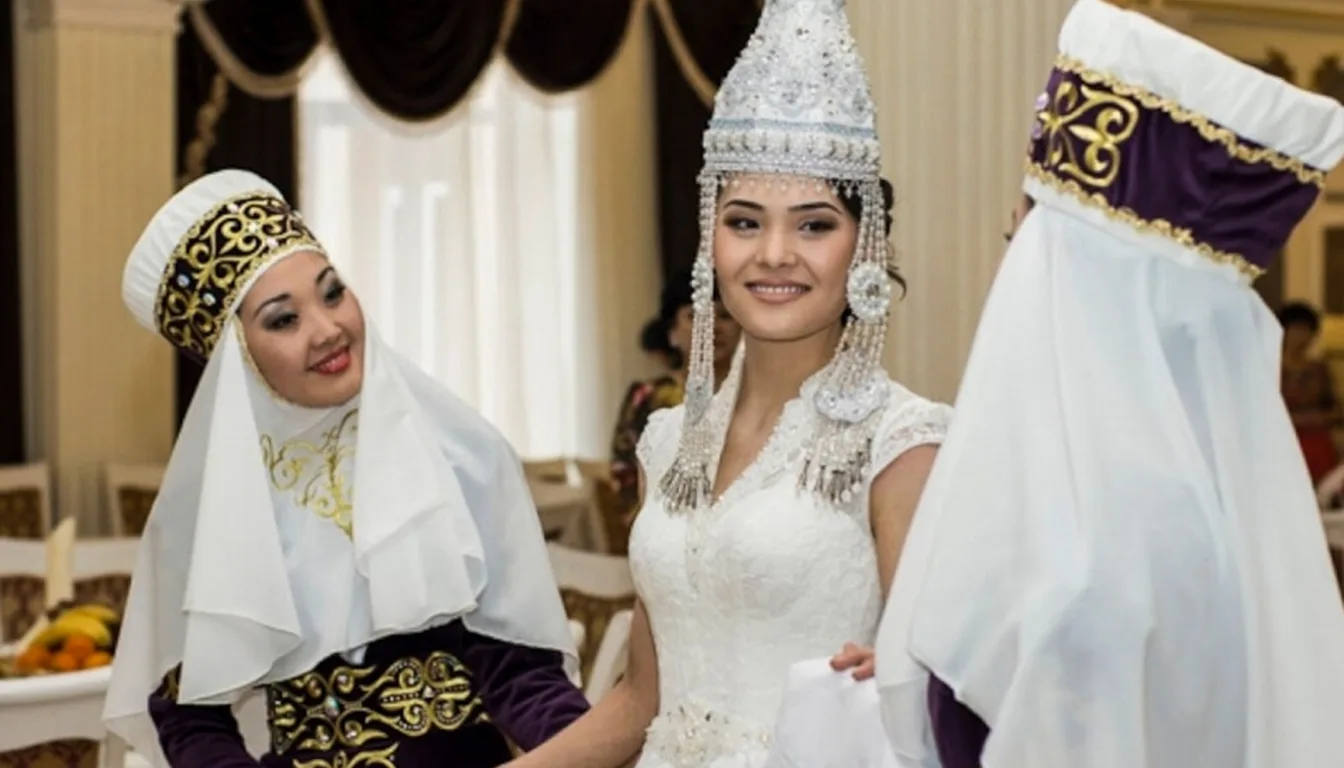
Kazakhstan Wedding Traditions: Customs, Rituals, and Meaning
Complete guide to Kazakhstan wedding traditions — betashar, kyz uzatu, saukele, neke qiyu, modern costs, food, gift-giving, and what guests should know.
food
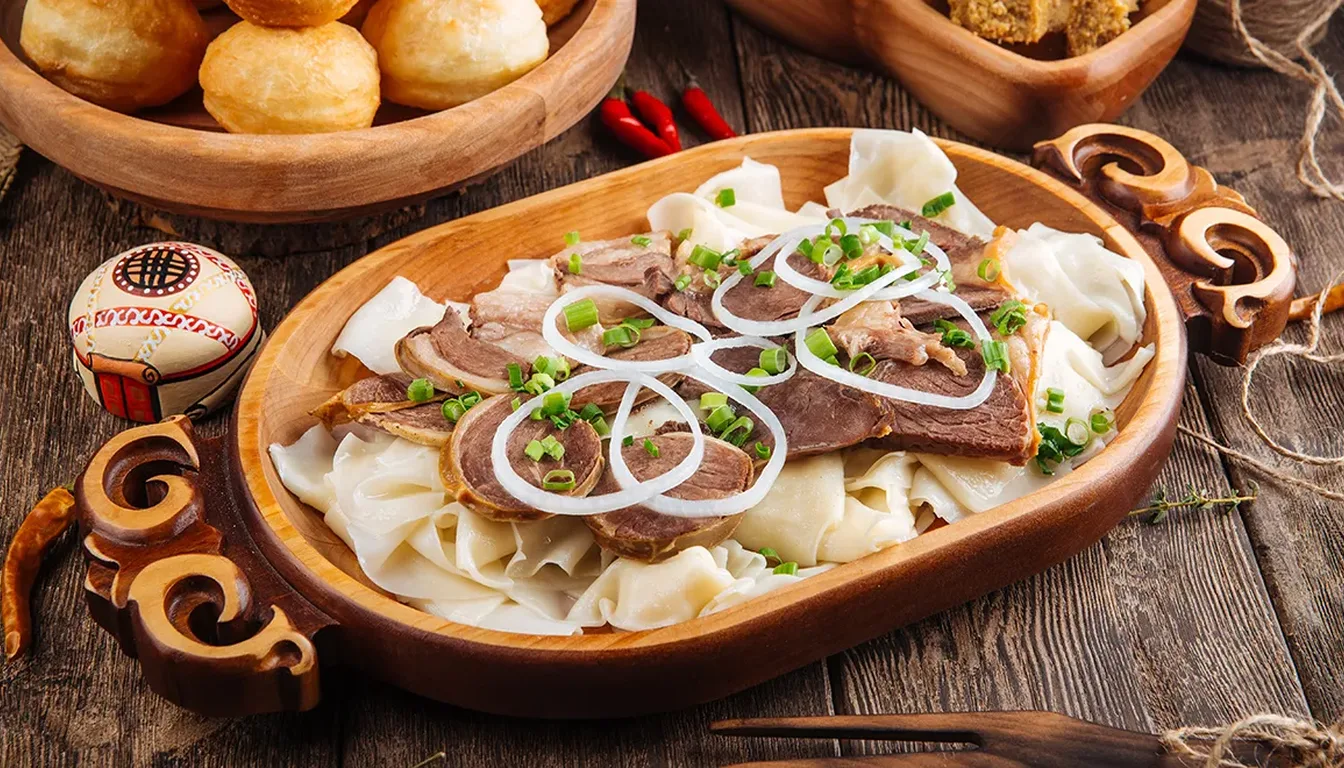
Popular Food in Kazakhstan: Kazakh Cuisine Guide
Popular food in Kazakhstan: 18 must-try dishes from beshbarmak and kazy to kumis and baursaki. Ingredients, cultural meaning, and where to eat each one.
facts
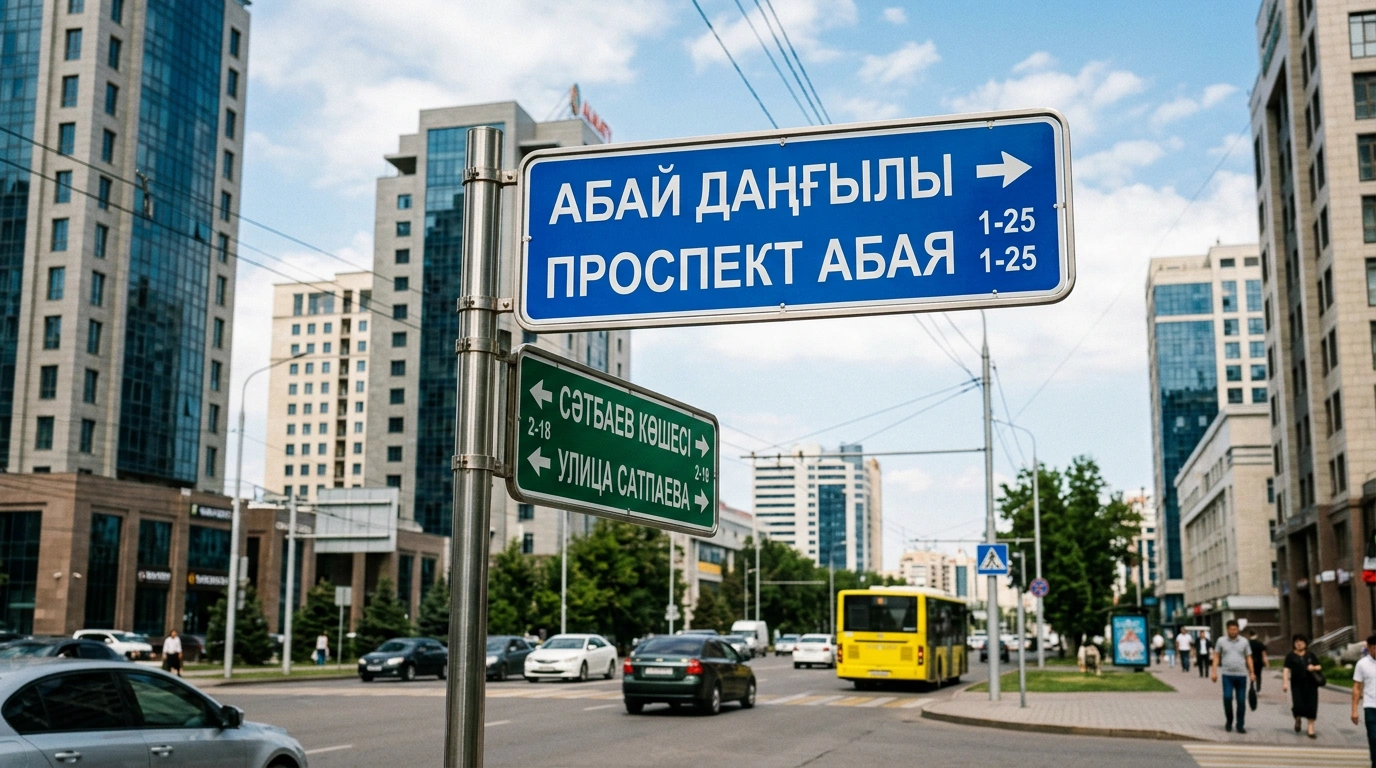
What Language Do They Speak in Kazakhstan? Kazakh, Russian & Phrases
Kazakhstan speaks Kazakh and Russian. English is rare outside Almaty. 40+ survival phrases, pronunciation guide, and alphabet explained.