Kazakhstan Tourism: What to Know Before You Visit
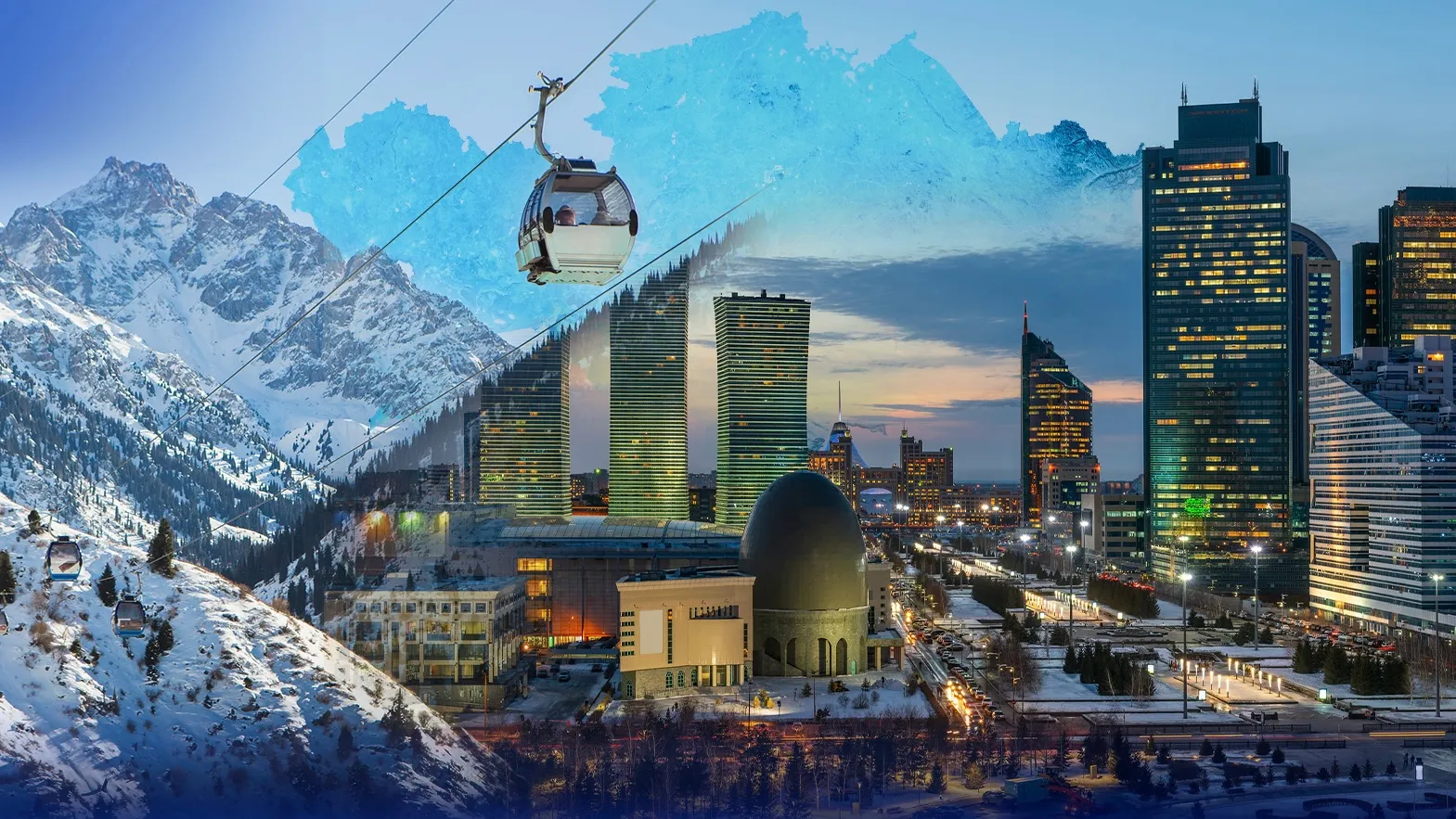
Kazakhstan welcomed 1.5 million international tourists in 2024, a 34% increase from 2023, according to the Kazakhstan Ministry of Tourism and Sport, driven by visa-free access for 77 countries, direct flights from major hubs, and growing global interest in Central Asia. Despite being the world’s ninth largest country by area, Kazakhstan remains one of the least crowded tourism destinations on the planet. Average spending is $85-120/day including accommodation, food, transport, and activities, making it significantly cheaper than most of its Asian and European neighbors.
Why Visit Kazakhstan
Kazakhstan sits between Russia and China, straddling Europe and Asia, and offers a combination found almost nowhere else: genuine nomadic culture still practiced in mountain valleys, futuristic cities built in the 21st century, and wilderness covering an area larger than Western Europe.
The top reasons travelers visit:
- Nature: Alpine lakes, canyons, steppe, and the Tian Shan mountain range
- Culture: Living nomadic traditions, eagle hunting, yurt stays, traditional cuisine
- Architecture: Astana’s skyline rivals Dubai for ambitious modern design
- Value: Budget-friendly compared to Europe, East Asia, or even Southeast Asia
- Adventure: Skiing, trekking, horse riding, off-road expeditions
- Safety: Level 1 US State Department advisory, lower crime than most European capitals
Visa and Entry Requirements
Kazakhstan offers visa-free entry for citizens of 77 countries for stays of up to 30 days. This includes:
- United States, Canada, United Kingdom
- All EU member states
- Australia, New Zealand, Japan, South Korea
- UAE, Singapore, Malaysia, Israel
No e-visa or registration required for stays under 30 days. Simply arrive with a passport valid for 6+ months.
For citizens not on the visa-free list, Kazakhstan offers an e-visa system that processes applications in 5-7 business days.
When to Visit
| Season | Months | Temperature | Best For |
|---|---|---|---|
| Spring | April-May | 10-25°C | Steppe wildflowers, shoulder season prices |
| Summer | June-August | 25-35°C | Hiking, lakes, festivals, Nauryz celebrations |
| Autumn | September-October | 10-20°C | Mountain colors, fewer tourists, comfortable |
| Winter | November-March | -5 to -20°C | Skiing, ice skating, winter landscapes |
The best time to visit Kazakhstan for most travelers is May through September, with June and September offering the best weather-to-crowd ratio.
Where to Go
Almaty
Kazakhstan’s largest city (2 million) and former capital. Tree-lined boulevards, mountain backdrop, excellent food scene, and gateway to the Tian Shan. Base here for Big Almaty Lake, Charyn Canyon, and skiing at Shymbulak. Allow 3-5 days.
Astana
The capital since 1997, famous for bold architecture including the Bayterek Tower and Khan Shatyr mall. A striking contrast between modern glass towers and the endless steppe surrounding the city. Worth 2-3 days. Burabay National Park is a popular day trip.
Shymkent
Kazakhstan’s third city and gateway to the Silk Road heritage sites. The bazaar is one of Central Asia’s largest. Historic Turkestan, home to the Mausoleum of Khoja Ahmed Yasawi (UNESCO World Heritage), is just 1.5 hours away.
Costs and Budget
Kazakhstan is affordable by international standards. Here is a realistic daily budget breakdown:
| Category | Budget | Mid-Range | Luxury |
|---|---|---|---|
| Accommodation | $15-30 (hostel) | $50-80 (hotel) | $120-250 (5-star) |
| Food | $10-15 | $20-35 | $50+ |
| Transport | $5-10 (public) | $15-30 (taxi) | $60-100 (car rental) |
| Activities | $5-15 | $20-50 | $80-200 |
| Daily total | $35-70 | $105-195 | $310-600 |
The Kazakhstan tenge (KZT) trades at approximately 480 to the US dollar. ATMs accepting international cards are widely available in cities but scarce in rural areas. Carry cash outside urban centers.
Getting There and Around
Flights
Almaty airport (ALA) receives direct flights from Istanbul, Dubai, Seoul, Frankfurt, Delhi, and dozens of regional cities. Air Astana is the national carrier with a strong safety record, rated 4-star by Skytrax. Budget carrier FlyArystan offers low fares on domestic routes and select international flights. See our flights guide.
Domestic Transport
| Mode | Best For | Cost |
|---|---|---|
| Domestic flights | Almaty to Astana (2 hr) | $40-80 |
| Train | Almaty-Astana overnight (14 hr) | $15-40 |
| Shared taxi | Between cities | $10-30 |
| Car rental | National parks, rural areas | $60-100/day |
| City bus/metro | Almaty has metro | $0.30/ride |
Getting Around Cities
Yandex Go (the regional equivalent of Uber) works in all major cities with rides starting at $1-2. Almaty has a single metro line. Astana has a modern bus network with electronic payment.
Safety
Kazakhstan is safe for travelers. The US State Department rates it Level 1 (Exercise Normal Precautions), the same as France, Germany, and the UK. Violent crime against tourists is extremely rare.
Common-sense precautions apply: watch for pickpockets in bazaars, avoid walking alone late at night in unfamiliar areas, and keep valuables out of sight. For solo female travelers, Kazakhstan is generally welcoming, with Almaty being the most progressive city.
Culture and Etiquette
Kazakhstan is a Muslim-majority country with a secular government and a relaxed social atmosphere. According to the Pew Research Center, approximately 70% of the population identifies as Muslim, predominantly Sunni of the Hanafi school. Alcohol is widely available. Dress codes are liberal in cities. In rural areas, modest dress (covering shoulders and knees) shows respect.
Key cultural norms:
- Hospitality is central. If invited to a Kazakh home, refusing food is considered rude
- Remove shoes when entering a home
- The eldest person at the table is served first
- Beshbarmak (boiled meat with noodles) is the national dish, often served at family gatherings
- Learning a few words in Kazakh (basic phrases) earns genuine warmth from locals
Phone and Internet
Buy a local SIM card at the airport for $3-5 (Beeline or Kcell recommended). 4G coverage is strong in cities and along highways. Alternatively, an Airalo eSIM works across Kazakhstan without swapping your physical SIM.
For detailed accommodation options with real 2026 prices, see our best hotels in Kazakhstan guide.
Frequently Asked Questions
Kazakhstan’s Food Scene
Kazakh food is built on the nomadic logic of the steppe: meat, dairy, and bread, in combinations that sustained people through harsh winters and long migrations.
The national dish, beshbarmak, translates literally as “five fingers” because it was traditionally eaten with the hands. According to food historians at the Kazakh National University, the dish consists of boiled horse or lamb, flat noodles, and onion broth, served on a large communal platter. The order of serving is ritualized: the head of the animal goes to the most honored guest, specific cuts go to elders, and younger guests receive other portions. At family gatherings, beshbarmak is still prepared this way.
Beyond the national dish, Kazakh cuisine includes manty (large steamed dumplings filled with lamb and onion), shashlik (grilled skewers of lamb or beef, eaten across Central Asia), plov (rice pilaf cooked with carrots and meat in a large cast-iron kazan), and kuyrdak (a rich stew of offal, typically served to guests as a gesture of hospitality). Fermented drinks include kumis (fermented mare’s milk, slightly sour and lightly alcoholic, consumed widely in summer) and shubat (fermented camel’s milk, thicker and stronger, particularly common in the south and west).
According to food industry research by Deloitte Kazakhstan, Almaty’s restaurant scene has grown significantly since 2015, with modern Kazakh cuisine restaurants now reinterpreting traditional recipes with contemporary techniques and presentation. The Green Bazaar (Zelyony Bazar) in central Almaty is the best single destination for food exploration: dozens of vendors sell fresh bread, dried fruits, local cheeses, kurt (hard dried cheese balls), smoked fish, and cuts of horse meat. Budget $5-15 for a thorough tasting session.
Food costs are low by international standards. A full meal at a local canteen (stolovaya) costs 800-1,500 KZT ($2-3). A sit-down restaurant with Kazakh dishes runs 2,000-5,000 KZT ($4-10) per person. Fine dining in Almaty or Astana tops out at $30-50 per person, comparable to mid-range European prices.
Infrastructure and Connectivity for Travelers
Kazakhstan has invested heavily in tourism infrastructure over the past decade, and the gap between what visitors expect and what they find on arrival has narrowed considerably.
Almaty International Airport (IATA: ALA) operates 24 hours a day and handles flights from Istanbul, Dubai, Frankfurt, Seoul, Delhi, Beijing, and 50+ regional destinations. According to Airports Council International data, ALA processed 10.8 million passengers in 2024, making it the largest airport in Central Asia by volume. Terminal 2, opened in 2023, added international capacity and improved customs processing times. Astana International Airport (TSE) handles the capital’s traffic and has direct connections to major European and Asian hubs via Air Astana.
The national rail network covers 16,000 km according to Kazakhstan Temir Zholy (KTZ), the state railway company. The flagship route, Almaty to Astana, covers 1,200 km in 12-14 hours by overnight train and costs $15-40 for a sleeping berth in a shared compartment. Trains are clean, punctual, and one of the best ways to experience the scale of the steppe. The high-speed Talgo train covers Almaty to Shymkent (700 km) in 5 hours.
Internet access is strong in cities. According to the Speedtest Global Index for 2024, Kazakhstan ranks in the top 50 globally for mobile internet speed. Kcell and Beeline offer 4G LTE coverage in all cities and along major highways. Coverage drops to 2G or zero in canyon and mountain areas. A local SIM card at the airport costs $3-5 and includes generous data. Alternatively, an Airalo eSIM activates instantly before arrival.
Banking is straightforward in cities. Kaspi Bank, Halyk Bank, and Jusan Bank ATMs accept international Visa and Mastercard. Currency exchange offices in airports and city centers offer competitive rates. Outside major cities, card terminals are less common; carry cash in KZT for markets, rural guesthouses, and national park fees.
Responsible Tourism in Kazakhstan
Kazakhstan’s tourism sector is growing fast, and the choices travelers make now will shape how the industry develops over the next decade.
According to the UNWTO’s 2024 Sustainable Tourism report, Central Asia is among the world’s fastest-growing tourism regions, with Kazakhstan leading the group in infrastructure investment and visitor growth rate. The risk that accompanies rapid growth is the degradation of the natural and cultural assets that attract visitors in the first place.
Practical steps make a real difference. In Charyn Canyon, staying on the marked path prevents erosion of the formations. At Big Almaty Lake, respecting the swimming prohibition protects the water supply for millions of people. In rural areas, hiring local guides and eating at family-run guesthouses instead of city tour packages keeps money in communities that depend on the land. According to the Kazakh Ecotourism Association, community-based tourism initiatives near Kolsai Lakes and Altyn-Emel National Park have increased local household incomes by 30-40% in participating villages.
For wildlife, keep 50 meters from any large animal. Do not feed wildlife. Do not approach nesting birds. Do not collect plants, rocks, or artifacts from national parks. These rules are common sense in any natural environment but worth stating because enforcement in Kazakhstan is limited and the responsibility falls on the visitor.
Plan Your Trip
According to UNESCO’s World Heritage listing for the Western Tian Shan, the Tian Shan mountain system inscribed in 2016 encompasses some of the most significant biodiversity and mountain landscapes in Central Asia, making Kazakhstan a destination of global natural heritage significance. According to the World Bank’s Kazakhstan country overview, tourism and related services are identified as a key growth sector in Kazakhstan’s strategy to diversify its economy away from hydrocarbon dependence. According to Wikipedia’s entry on Charyn Canyon, the canyon is often compared to the Grand Canyon and was formed over millions of years by erosion of the Charyn River, with the Valley of Castles section featuring formations 150-300 meters deep.
The most efficient approach for first-time visitors: fly into Almaty, spend 3-4 days exploring the city and nearby mountains, take a flight or train to Astana for 2-3 days, and optionally add Shymkent for Silk Road history. A 7-10 day trip covers the highlights comfortably.
Kazakhstan tourism is growing fast but remains at the early stage where you get genuine experiences without mass-tourism crowds. The infrastructure is solid enough for comfortable travel, the costs are low enough for any budget, and the country offers a combination of nature, culture, and modernity that is genuinely unique. The question is not whether Kazakhstan is worth visiting, but how much time you can give it.
Last verified: March 2026
More Stories
travel
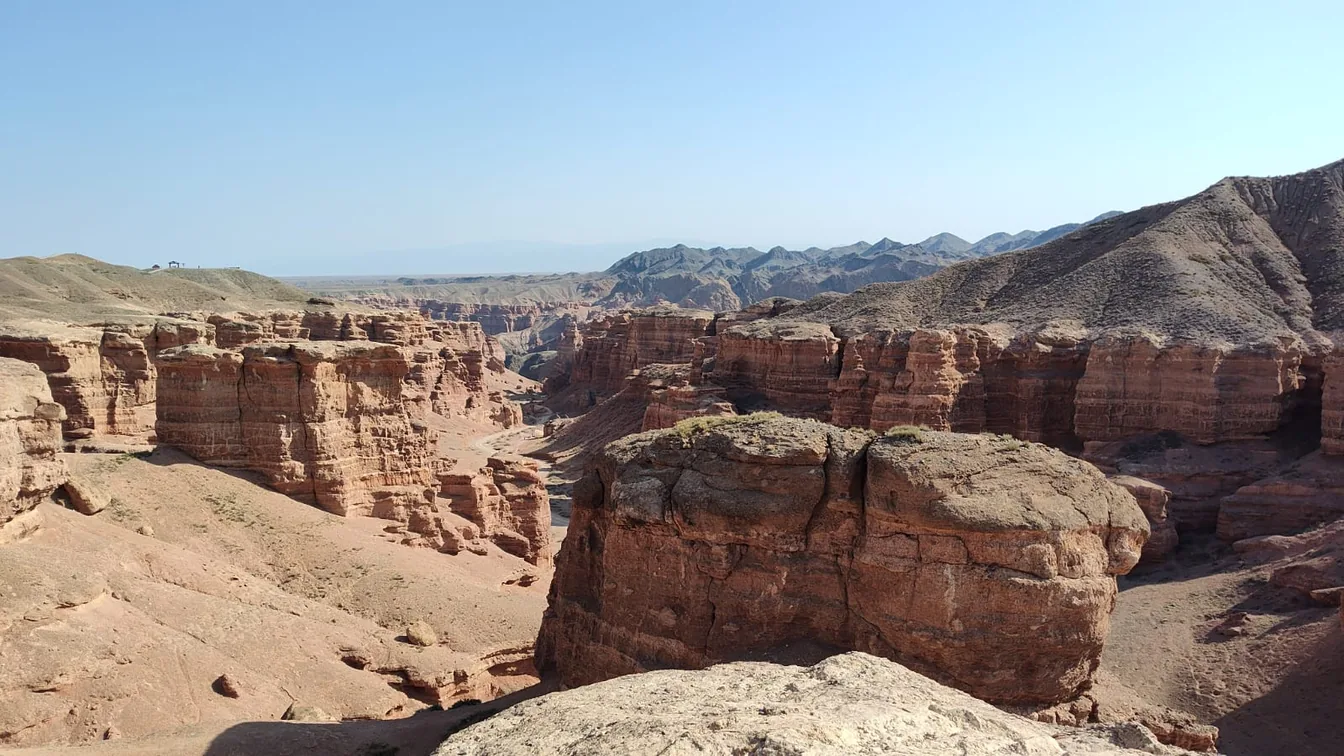
Places to Visit in Kazakhstan
Places to visit in Kazakhstan: 20 best destinations by region, from Charyn Canyon and Kolsai Lakes to Mangystau's cliffs. Best seasons and travel tips.
travel
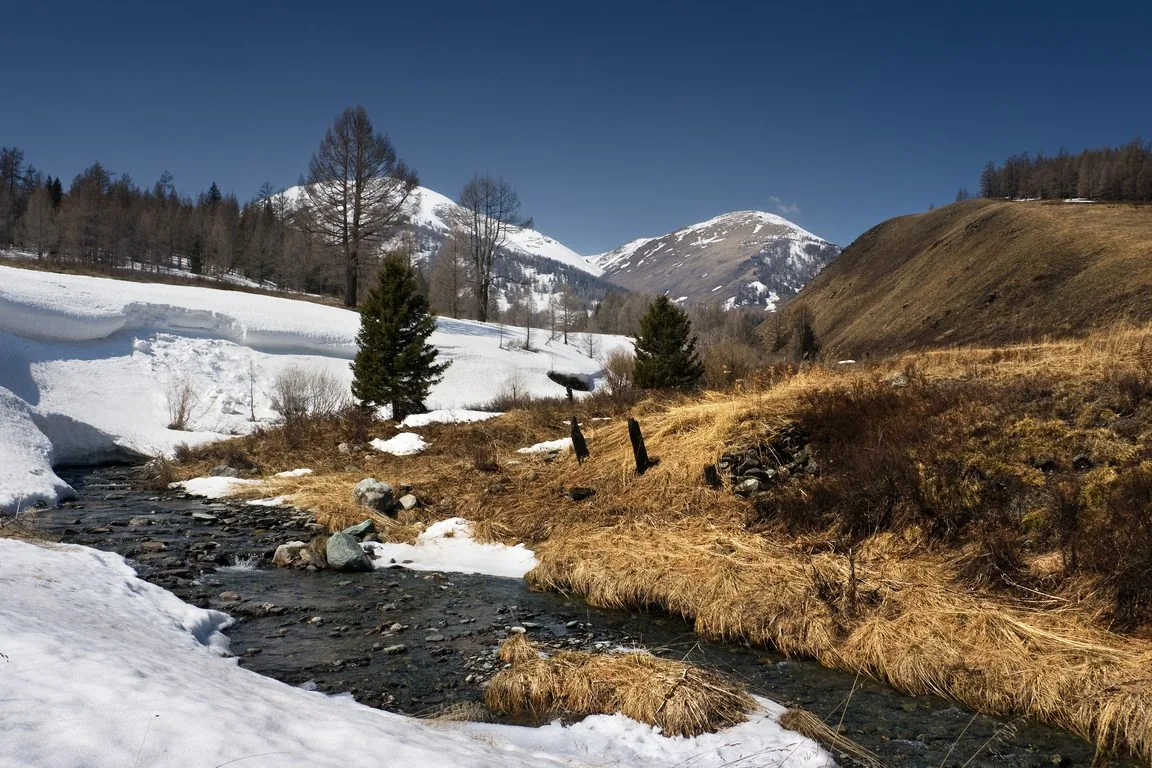
Is Kazakhstan Worth Visiting? 10 Reasons Yes
Is Kazakhstan worth visiting? Honest assessment with 10 reasons, who it suits best, costs, safety, and practical tips. Find out why travelers love it.
travel
Kazakhstan Budget Travel: Visit on $15-30/Day
Kazakhstan budget travel guide — daily costs, cheapest accommodation, food prices, free activities, transport tips, and city-by-city breakdown.