Kazakhstan History Timeline: Ancient Nomads to Modern Nation
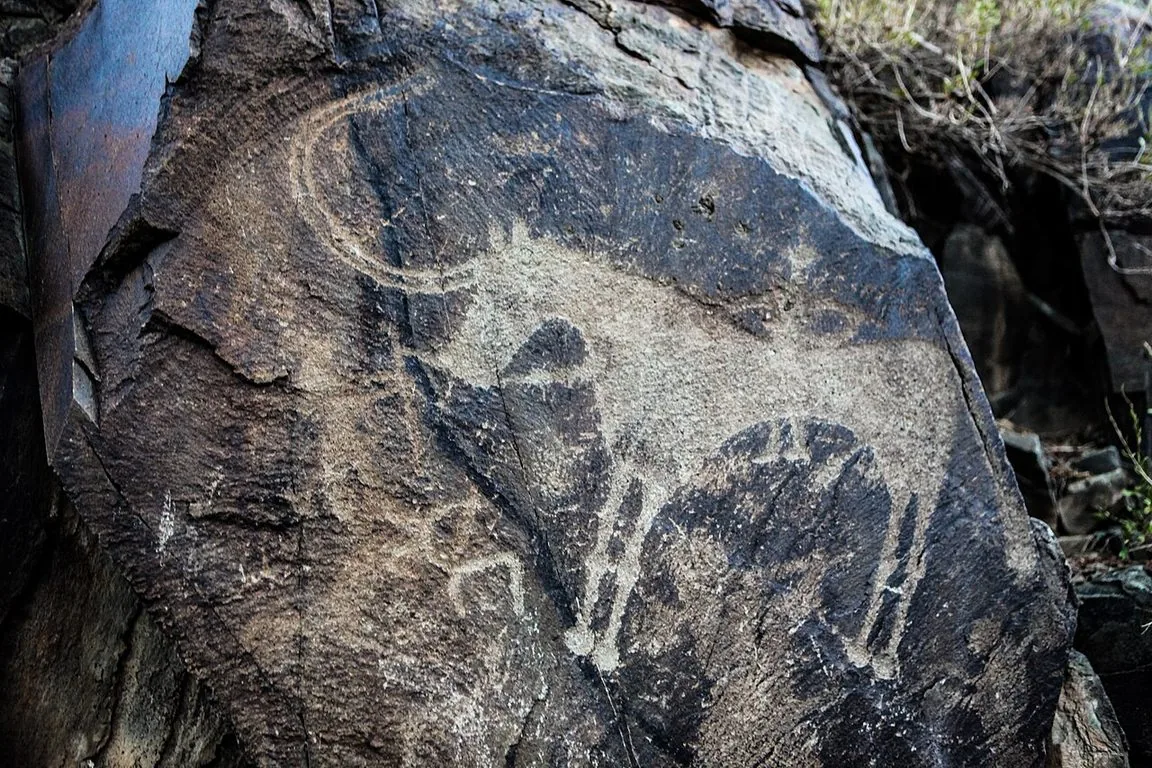
Kazakhstan’s history spans over 5,000 years, from Bronze Age horse domestication and Saka warrior cultures through Turkic khaganates, Mongol conquest, the founding of the Kazakh Khanate in 1465, Russian colonization, the devastating Soviet-era famine that killed 1.5 million Kazakhs, 456 nuclear tests at Semipalatinsk, independence in 1991, and the dramatic Bloody January protests of 2022. This timeline covers every major era and turning point that shaped modern Kazakhstan.
Complete Kazakhstan History Timeline
| Period | Key Events | Significance |
|---|---|---|
| c. 3500 BCE | Botai culture, horse domestication | Among the earliest horse domestication sites in the world |
| c. 2000-1000 BCE | Andronovo culture, Bronze Age pastoralists | Advanced metallurgy, chariot technology, pastoral economy |
| c. 800-300 BCE | Saka (Scythian) confederations | Mounted warrior culture, Golden Man burial, animal style art |
| 3rd century BCE-1st century CE | Wusun and Kangju states | Trade links with China and Persia |
| 6th-8th century | Turkic Khaganates | Spread of Turkic languages, runic script, steppe governance |
| 8th-12th century | Karluk, Karakhanid, and Kipchak states | Islamization of southern Kazakhstan, Silk Road golden age |
| 1219-1224 | Mongol conquest under Genghis Khan | Destruction of Otrar, region absorbed into Mongol Empire |
| 1227-1360s | Golden Horde and Chagatai Khanate | Post-Mongol Turkic-Mongol successor states |
| 1465-1466 | Kazakh Khanate founded | First Kazakh state, Kerei Khan and Janibek Khan |
| 1511-1523 | Kasym Khan’s expansion | Khanate reaches maximum territory, estimated 1 million subjects |
| 17th-18th century | Dzungar invasions | Existential threat, “Aktaban Shubryndy” great retreat |
| 1731-1742 | Junior and Middle Zhuz accept Russian protection | Beginning of Russian colonial influence |
| 1822-1868 | Russian administrative reforms | Khan system abolished, direct imperial rule imposed |
| 1916 | Central Asian Revolt | Uprising against forced conscription, brutal suppression |
| 1917-1920 | Alash Orda autonomy movement | Brief attempt at Kazakh self-governance, crushed by Bolsheviks |
| 1930-1933 | Soviet collectivization famine | 1.5 million Kazakhs die, 38% of ethnic Kazakh population |
| 1941-1945 | World War II | 1.2 million Kazakhstanis mobilized, factories evacuated to KZ |
| 1949-1989 | Semipalatinsk nuclear testing | 456 nuclear tests, devastating health and environmental legacy |
| 1954-1965 | Virgin Lands Campaign | Massive agricultural expansion, Russian/Ukrainian migration |
| 1986 | Jeltoqsan protests | Anti-Soviet demonstration in Almaty, violently suppressed |
| 1991 | Independence declared (December 16) | Last Soviet republic to declare independence |
| 1997 | Capital moved to Astana | Strategic relocation from Almaty |
| 2010-2019 | Oil boom and modernization | GDP growth, Expo 2017, Latin alphabet transition announced |
| 2022 | Bloody January (Qandy Qantar) | Nationwide protests, 238+ killed, Nazarbayev era ends |
| 2023-present | Tokayev reforms | New Kazakhstan narrative, constitutional changes |
Ancient Civilizations: Horse Tamers and Golden Warriors
The territory of modern Kazakhstan has been inhabited for tens of thousands of years, but the most historically significant ancient cultures emerged during the Bronze and Iron Ages.
The Botai Culture (c. 3500 BCE)
According to The Cambridge History of Inner Asia, the Botai settlement in northern Kazakhstan provides some of the strongest evidence for early horse domestication anywhere in the world. Wikipedia’s article on the Botai culture notes that the site dates to approximately 3500 BCE and contains some of the oldest known evidence of horse domestication globally. Archaeological findings include horse teeth with bit wear, mare’s milk residue on pottery, and corral structures, suggesting that the people of the Kazakh steppe were among the first humans to ride and milk horses. This innovation transformed transportation, warfare, and pastoral economy across Eurasia.
The Andronovo Culture (c. 2000-900 BCE)
The Andronovo cultural complex spread across Kazakhstan and southern Siberia during the Bronze Age. These Indo-Iranian speaking peoples practiced:
- Advanced bronze metallurgy
- Chariot technology (among the earliest wheeled vehicles)
- Pastoral herding of cattle, sheep, and horses
- Elaborate burial rituals in kurgan mounds
The Saka Period (c. 800-300 BCE)
The Saka (known to the Greeks as Scythians) were Iranian-speaking nomadic confederations who dominated the Kazakh steppe during the Iron Age. They are renowned for:
- The Golden Man (Altyn Adam): discovered in 1969 near Almaty in the Issyk burial mound, this warrior’s golden armor (containing over 4,000 gold pieces) became Kazakhstan’s most famous archaeological symbol and appears on the national emblem
- Animal style art: distinctive metalwork depicting deer, eagles, snow leopards, and griffins
- Mounted warfare: early development of cavalry tactics that later influenced all steppe empires
- Trade networks: connecting China, Persia, and the Mediterranean
The Saka remind us that Kazakhstan’s steppe was never empty or peripheral. It was a center of innovation and power.
Turkic Khaganates and the Silk Road Era
From the 6th century onward, Turkic-speaking peoples rose to political dominance across the Eurasian steppe, establishing a linguistic and cultural foundation that persists to this day.
The First and Second Turkic Khaganates (552-744 CE)
The Turkic Khaganate at its peak stretched from Manchuria to the Black Sea, one of the largest empires in history. For Kazakhstan’s territory, the Turkic era brought:
- The spread of Turkic languages that would evolve into modern Kazakh
- The Old Turkic runic script (Orkhon script)
- Diplomatic relations with China, Persia, and Byzantium
- A system of steppe governance that influenced all later nomadic states
The Karakhanid Dynasty and Islamization (10th-12th century)
The Karakhanid state was the first Turkic dynasty to officially adopt Islam (around 960 CE). Under their rule, southern Kazakhstan experienced:
- Conversion of the urban and semi-nomadic population to Islam
- Construction of mosques, madrasas, and mausoleums
- The rise of Turkestan as a spiritual center
- Flourishing trade along the Silk Road
Silk Road Cities of Kazakhstan
Kazakhstan’s southern corridor was a vital segment of the Silk Road. Major cities included:
| City | Role | Legacy Today |
|---|---|---|
| Otrar | Major trade hub, library center | Ruins near Shymkent, destroyed by Mongols in 1219 |
| Turkestan | Spiritual capital, Yasawi center | UNESCO World Heritage Site, Yasawi Mausoleum |
| Taraz | Trade crossroads, mint city | Modern Taraz city, ancient ruins under excavation |
| Sauran | Fortress city, irrigation center | Archaeological site near Turkestan |
| Balasagun | Karakhanid capital | Now in Kyrgyzstan, but linked to Kazakh trade networks |
For more on Kazakhstan’s geography, see our guide on where is Kazakhstan.
The Mongol Conquest and Its Aftermath
In 1219, Genghis Khan invaded the region after the governor of Otrar executed his trade envoys. According to UNESCO’s World Heritage listing for Otrar, the city was a major Silk Road hub before its destruction in 1219. The Mongol army destroyed Otrar, Bukhara, and Samarkand, events that rank among the most devastating military campaigns in Central Asian history. Encyclopaedia Britannica’s entry on the Mongol Empire documents the scale of the destruction across Central Asia during this period.
Kazakhstan’s territory was divided between:
- The Golden Horde (Ulus of Jochi): controlling the western and northern steppe
- The Chagatai Khanate: controlling the south and southeast
The Mongol period (13th-15th centuries) paradoxically strengthened Turkic identity. While Mongol rulers held political power, the majority Turkic population gradually assimilated the Mongol elite culturally and linguistically. The political legitimacy of Genghis Khan’s descendants (the Chinggisid principle) shaped leadership claims for centuries.
The Kazakh Khanate (1465-1847)
The founding of the Kazakh Khanate is the most celebrated event in Kazakh national history. In 1465-1466, sultans Kerei (Kerey) and Janibek (Zhanibek) led a group of Turkic-Mongol tribes away from the Uzbek Khanate of Abu’l-Khayr Khan, establishing an independent state in Zhetysu (the Seven Rivers region near modern Almaty). According to Wikipedia’s article on the Kazakh Khanate, this founding event is commemorated as the beginning of continuous Kazakh statehood on the territory of modern Kazakhstan.
Rise and Expansion
The Kazakh Khanate grew rapidly under successive khans:
| Khan | Reign | Achievement |
|---|---|---|
| Kerei Khan | 1465-1473 | Co-founder, established the state |
| Janibek Khan | 1473-1480 | Co-founder, consolidated early territory |
| Kasym Khan | 1511-1523 | Peak expansion, estimated 1 million subjects |
| Haqnazar Khan | 1538-1580 | Diplomatic expansion, trade agreements |
| Tauke Khan | 1680-1715 | Codified “Zhety Zhargy” laws, united three zhuz |
The Three Zhuz (Hordes)
The Kazakh people organized into three regional confederations that still shape social identity today:
- Senior Zhuz (Uly Zhuz): southern and southeastern Kazakhstan (Almaty region, Zhetysu)
- Middle Zhuz (Orta Zhuz): central and eastern Kazakhstan (largest territory)
- Junior Zhuz (Kishi Zhuz): western Kazakhstan
Each zhuz comprised numerous tribes and clans. Kazakhs traditionally trace their genealogy seven generations back (zhety ata) and clan identity remains socially relevant in modern Kazakhstan.
The Dzungar Crisis
In the 17th-18th centuries, the Dzungar (Oirat) Mongol confederation launched devastating invasions of Kazakh territory. The years 1723-1727, known as “Aktaban Shubryndy” (The Great Disaster/Barefoot Flight), saw mass displacement, famine, and loss of pastures. This existential threat pushed Kazakh leaders toward seeking Russian military protection, a decision with profound long-term consequences.
Russian Colonization (1731-1917)
The Russian Empire’s expansion into the Kazakh steppe began in 1731 when Abulkhair Khan of the Junior Zhuz accepted Russian protection against the Dzungar threat. What began as a military alliance gradually transformed into colonial control.
Timeline of Russian Expansion
- 1731: Junior Zhuz accepts Russian suzerainty
- 1742: Middle Zhuz follows
- 1822: Khan system abolished for the Middle Zhuz (Speransky reforms)
- 1824: Khan system abolished for the Junior Zhuz
- 1848: Senior Zhuz formally incorporated
- 1868: Steppe Statute imposes direct Russian administrative rule
Consequences of Russian Rule
- Land seizure: Russian and Ukrainian settlers received Kazakh pastureland, especially in the north
- Forced sedentarization: pressure to abandon nomadic lifestyle
- Administrative restructuring: traditional clan governance replaced by Russian bureaucracy
- Russification: Russian language and Orthodox churches introduced
- 1916 Revolt: Kazakhs and other Central Asians revolted against forced military conscription during World War I; the rebellion was brutally suppressed, killing tens of thousands
For more context on the Russia-Kazakhstan relationship, see is Kazakhstan in Russia.
Soviet Era (1920-1991): Famine, Deportations, and Nuclear Tests
The Soviet period brought the most traumatic events in Kazakh history, alongside rapid industrialization and social transformation.
The Kazakh Famine (1930-1933)
Stalin’s forced collectivization campaign was catastrophic for Kazakhstan’s nomadic population. Livestock herds were confiscated, movement was restricted, and the pastoral economy collapsed entirely.
The numbers are staggering:
- 1.5 million ethnic Kazakhs died, approximately 38% of the Kazakh population
- Millions of livestock perished (from 40 million to 4 million head)
- Hundreds of thousands fled to China, Mongolia, and other Soviet republics
- Kazakhs became a minority in their own republic (regaining majority status only in the 1990s)
According to researchers at the Kazakh Academy of Sciences, the famine is considered by many historians as a genocide or an act of colonial violence comparable to the Ukrainian Holodomor. Wikipedia’s article on the Kazakh famine of 1930-1933 estimates that 1.5 million ethnic Kazakhs perished, approximately 38% of the entire Kazakh population. It remains the most painful chapter in Kazakh collective memory.
Deportations and Demographic Engineering
During the 1930s-1940s, Stalin deported entire ethnic groups to Kazakhstan as punishment or preemptive security measures:
| Deported Group | Year | Approximate Numbers |
|---|---|---|
| Koreans (Koryo-saram) | 1937 | 172,000 |
| Volga Germans | 1941 | 900,000+ |
| Chechens and Ingush | 1944 | 500,000 |
| Crimean Tatars | 1944 | 200,000 |
| Meskhetian Turks | 1944 | 100,000 |
| Poles, Greeks, others | Various | Hundreds of thousands |
These deportations explain Kazakhstan’s remarkable ethnic diversity: over 130 ethnic groups live in the country today.
Semipalatinsk Nuclear Testing (1949-1989)
The Soviet Union chose the remote steppe of eastern Kazakhstan for its nuclear weapons program. The Semipalatinsk Test Site (known as “The Polygon”) hosted:
- 456 nuclear tests over 40 years (including the first Soviet atomic bomb in 1949)
- 116 atmospheric tests that spread radioactive fallout across populated areas
- An estimated 1.5 million people exposed to radiation
- Ongoing health consequences: elevated cancer rates, birth defects, genetic damage
According to Wikipedia’s article on the Semipalatinsk Test Site, the site was responsible for nearly 500 nuclear detonations and is considered one of the most heavily contaminated nuclear sites on Earth. The United Nations Development Programme has documented the long-term environmental and health legacy of the testing program in affected communities. The Nevada-Semipalatinsk anti-nuclear movement, led by poet Olzhas Suleimenov in 1989, helped shut down the test site and became one of Kazakhstan’s most successful civil society movements.
The Virgin Lands Campaign (1954-1965)
Khrushchev’s scheme to turn Kazakhstan’s northern steppe into wheat-producing farmland brought:
- Hundreds of thousands of Russian and Ukrainian settlers
- Massive infrastructure development (railways, towns, grain elevators)
- Initial production boosts followed by soil erosion and dust storms
- Further dilution of the Kazakh demographic majority in northern regions
For more on Kazakhstan’s population, see our Kazakhstan population guide.
Independence and the Nazarbayev Era (1991-2022)
Jeltoqsan (December 1986)
In December 1986, Moscow replaced the ethnic Kazakh leader of the Kazakh SSR with an outsider, Gennady Kolbin. Thousands of young Kazakhs took to the streets in Almaty. The protests were violently suppressed (officially 3 dead, but independent estimates suggest many more). Jeltoqsan is now commemorated as a precursor to independence.
Independence (December 16, 1991)
Kazakhstan was the last Soviet republic to declare independence, on December 16, 1991. Nursultan Nazarbayev, the former Communist Party leader, became the first president.
Key Milestones of Independent Kazakhstan
| Year | Event |
|---|---|
| 1991 | Independence declared; Nazarbayev becomes president |
| 1993 | First constitution adopted; tenge currency introduced |
| 1995 | New constitution concentrates presidential power |
| 1997 | Capital relocated from Almaty to Akmola (renamed Astana in 1998) |
| 2001 | Kashagan oil field discovered, one of the world’s largest |
| 2006 | Tengiz and Karachaganak oil production expands |
| 2010 | OSCE chairmanship, first Central Asian or post-Soviet Muslim country |
| 2015 | 550th anniversary of Kazakh Khanate, major national celebration |
| 2017 | Expo 2017 hosted in Astana, “Future Energy” theme |
| 2018 | Latin alphabet transition announced (from Cyrillic) |
| 2019 | Nazarbayev resigns after 30 years; Kassym-Jomart Tokayev succeeds him |
| 2019 | Astana renamed to Nur-Sultan (reversed to Astana in 2022) |
Bloody January 2022 (Qandy Qantar)
In January 2022, Kazakhstan experienced its worst crisis since independence. Protests that began over fuel price increases in western Kazakhstan rapidly spread nationwide, evolving into broader demands for political reform.
Timeline of events:
- January 2: Protests begin in Zhanaozen over LPG price doubling
- January 4-5: Protests spread to Almaty, Shymkent, Atyrau, and other cities
- January 5: Almaty government buildings stormed; airport briefly seized
- January 6: Tokayev requests CSTO (Russian-led) military intervention; “shoot to kill without warning” order issued
- January 7-10: Military crackdown in Almaty; internet shut down nationwide
- January 11: CSTO troops begin withdrawing
Aftermath:
- At least 238 people killed (official figure; independent estimates suggest more)
- Over 10,000 detained
- Nazarbayev stripped of “Elbasy” (Leader of the Nation) title and influence
- Tokayev launches “New Kazakhstan” reform agenda
- Constitutional referendum in June 2022 reduces presidential terms and powers
The January events marked the definitive end of the Nazarbayev era and opened a new chapter in Kazakhstan’s political development.
Modern Kazakhstan (2022-Present)
Since Bloody January, President Tokayev has pursued political and economic reforms under the banner of “New Kazakhstan”:
- Constitutional changes: presidential term reduced to one seven-year term (no re-election)
- Economic diversification: reducing dependence on oil exports
- Geopolitical balancing: maintaining relations with Russia while expanding Western and Chinese ties
- National identity: continued Latin script transition, emphasis on Kazakh language and history
- Foreign investment: attracting technology, logistics, and green energy companies
Kazakhstan today is Central Asia’s largest economy, the world’s largest landlocked country, and a strategically important player between Russia, China, and the West.
For more on modern Kazakhstan, explore our interesting facts about Kazakhstan and culture of Kazakhstan guides.
Why Kazakhstan’s History Matters Today
Understanding Kazakhstan’s history explains nearly everything about the modern country:
- Multi-ethnic society: a direct result of Soviet deportations and Virgin Lands migration
- Russian language prevalence: legacy of 200+ years of colonization
- Sensitivity about sovereignty: rooted in centuries of losing independence
- Oil-dependent economy: shaped by Soviet-era resource extraction patterns
- Strong presidential system: evolved from Soviet governance structures
- Nuclear disarmament pride: Kazakhstan voluntarily gave up the world’s fourth-largest nuclear arsenal after independence
The history is not academic. It is the operating system of a nation still actively shaping its identity.
Frequently Asked Questions
- When did Kazakhstan become independent?
- Kazakhstan declared independence on December 16, 1991, the last of the fifteen Soviet republics to do so. Nursultan Nazarbayev became the first president and led the country for nearly 30 years until resigning in 2019.
- What was the Kazakh Khanate?
- The Kazakh Khanate was the first major Kazakh state, founded around 1465-1466 by Kerei Khan and Janibek Khan. It controlled vast steppe territories and reached its peak under Kasym Khan (1511-1523) with an estimated one million subjects. The Khanate's Three Zhuz system still influences Kazakh social identity today.
- How many people died in the Kazakh famine?
- An estimated 1.5 million ethnic Kazakhs died during the Soviet collectivization famine of 1930-1933, representing approximately 38% of the Kazakh population. Millions of livestock also perished, and hundreds of thousands of Kazakhs fled to China and Mongolia. It is one of the deadliest famines in modern history.
- What happened at the Semipalatinsk nuclear test site?
- The Soviet Union conducted 456 nuclear tests at Semipalatinsk in eastern Kazakhstan between 1949 and 1989, including 116 atmospheric tests. An estimated 1.5 million people were exposed to radiation. The anti-nuclear movement led by poet Olzhas Suleimenov helped close the site in 1989.
- What were the Bloody January 2022 protests?
- In January 2022, protests over fuel price increases spread nationwide and evolved into demands for political reform. The government crackdown killed at least 238 people. The crisis ended the influence of former president Nazarbayev and led to constitutional reforms under President Tokayev.
- Who is the Golden Man of Kazakhstan?
- The Golden Man (Altyn Adam) is a Saka warrior buried in golden armor containing over 4,000 gold pieces, discovered in 1969 in the Issyk burial mound near Almaty. Dating to the 3rd-4th century BCE, it is Kazakhstan's most famous archaeological artifact and appears on the national emblem.
Last verified: March 2026
More Stories
history
Kazakh Khanate (1465-1847): Complete History of 15 Khans & 3 Juz
Kazakh Khanate: founded 1465 by Janibek and Kerei Khan. 382-year nomadic empire, Golden Age under Kasym Khan, three juz system, Russian annexation 1847.
facts
28 Facts About Kazakhstan That Surprise Everyone (2026)
Kazakhstan facts: world's 9th largest country, launched the first man in space, birthplace of apples, and 25 more truths with verified stats and sources.
facts
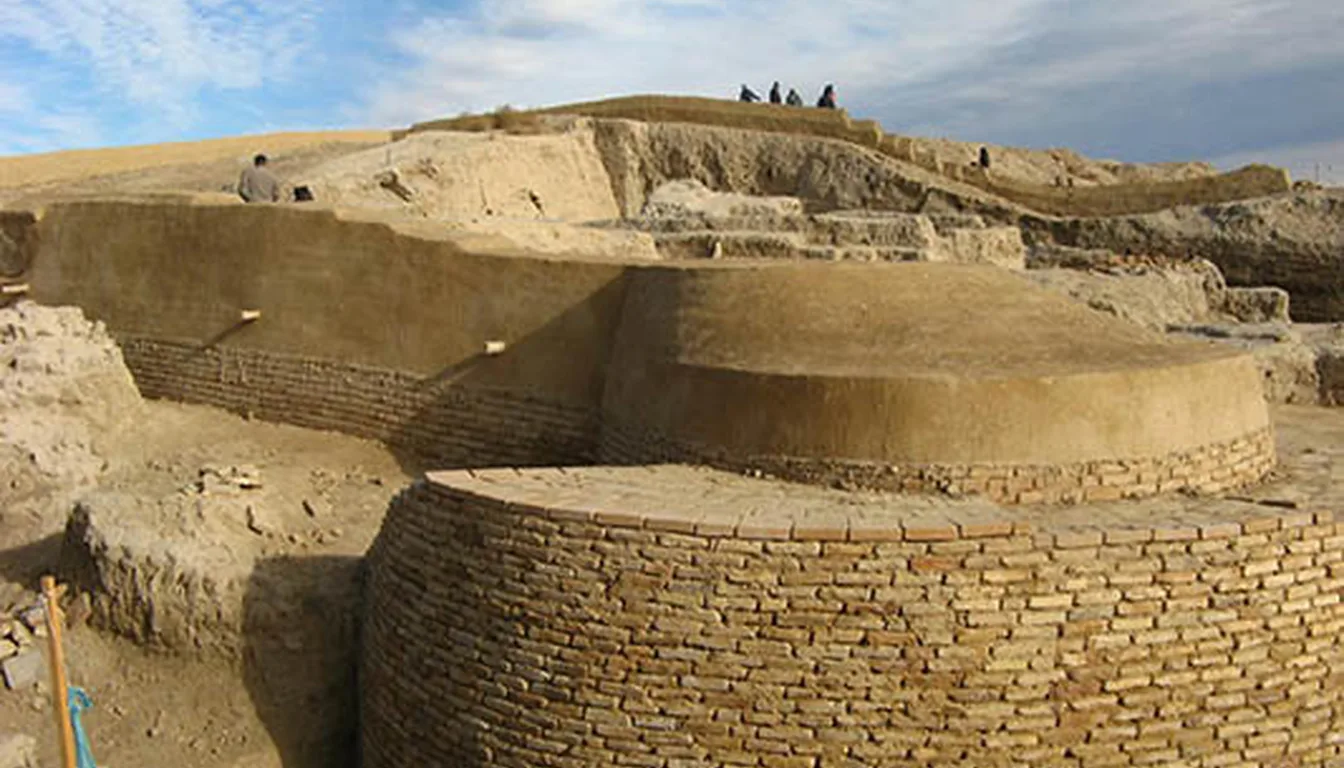
Silk Road Kazakhstan: Cities, Routes & Sites
Explore the Silk Road in Kazakhstan — Turkestan, Otrar, Taraz, UNESCO sites, trade history, and how to visit these ancient cities today.