Is Kazakhstan Safe in 2026? Crime Data, Safe Areas & Real Risks
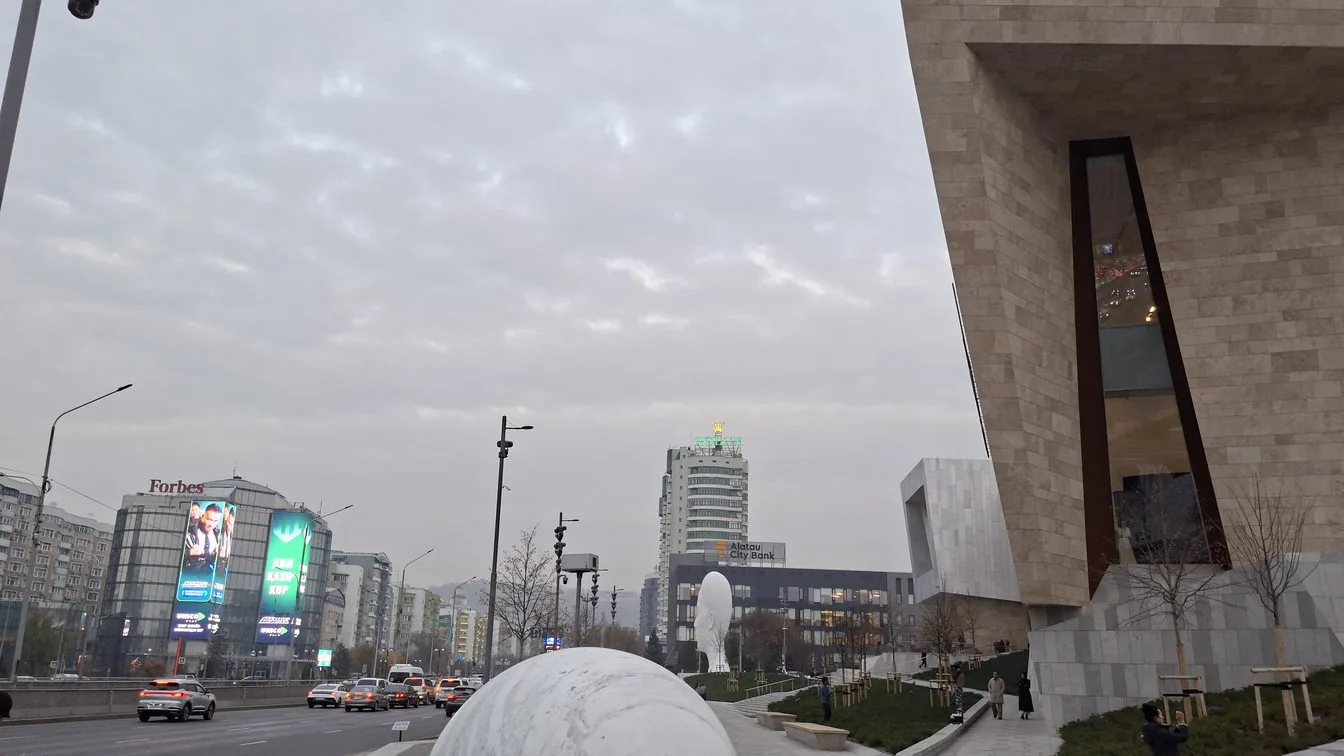
Yes, Kazakhstan is generally safe for travelers. It ranks 73rd on the Global Peace Index 2024 published by the Institute for Economics and Peace, safer than Turkey, Argentina, and most of Southeast Asia. Violent crime against tourists is rare, the political situation is stable, and the country has invested heavily in modernizing its tourism infrastructure since launching its visa-free policy in 2017.
That said, petty theft spikes in bazaars, taxi scams target foreigners at airports, and winter roads kill more people than crime. This guide covers real safety data, the 5 scams tourists actually fall for, natural hazards by region, and what I tell every visitor before they arrive.
Overall Safety Assessment, How Safe Is Kazakhstan Compared to Other Countries?
Kazakhstan is one of the safest countries in Central Asia and compares favorably to many popular tourist destinations worldwide. Here is how it stacks up using the Global Peace Index (GPI) 2024 published by the Institute for Economics and Peace:
| Country | GPI Rank (2024) | GPI Score | Safety Rating |
|---|---|---|---|
| Kazakhstan | 73 | 2.015 | Moderate |
| Thailand | 92 | 2.091 | Moderate |
| Turkey | 149 | 2.556 | Low |
| Brazil | 131 | 2.377 | Low |
| Argentina | 76 | 2.029 | Moderate |
| India | 116 | 2.254 | Low |
| Morocco | 85 | 2.053 | Moderate |
| Vietnam | 44 | 1.787 | High |
| Georgia | 82 | 2.043 | Moderate |
| South Africa | 117 | 2.257 | Low |
Kazakhstan outperforms Turkey (a country that receives 50+ million tourists annually), Brazil, India, and South Africa on this index. The U.S. Overseas Security Advisory Council (OSAC) rates Kazakhstan’s overall crime threat as low to medium, noting that “most visits are trouble-free.” Numbeo’s Crime Index places Almaty’s crime level in the low-to-moderate range, comparable to cities like Warsaw and Lisbon.
The country’s homicide rate is approximately 3.7 per 100,000 people, according to the UN Office on Drugs and Crime, lower than the global average of 5.8 and significantly below the United States at 6.3.
Safest Areas and Regions to Visit
Not all parts of Kazakhstan carry the same risk level. Here is a region-by-region breakdown:
Very Safe, Ideal for First-Time Visitors
- Astana (capital): Modern, well-policed, clean infrastructure. The safest large city in the country. Tourist areas around Bayterek Tower, Khan Shatyr, and the Expo grounds are well-maintained and patrolled.
- Almaty city center: The cultural capital has excellent public transport, a visible police presence, and a well-developed hospitality sector. The areas around Panfilov Park, Green Bazaar, and Dostyk Avenue are safe day and night.
- Burabay (Borovoe): A resort area north of Astana sometimes called “the Kazakhstan Switzerland.” Extremely low crime, family-friendly.
- Turkestan: The renovated pilgrimage city around the Mausoleum of Khoja Ahmed Yasawi has strong tourist infrastructure and security.
Safe with Standard Precautions
- Shymkent: Kazakhstan’s third-largest city. Generally safe but more chaotic than Astana. Stick to central areas at night.
- Aktau and the Mangystau region: Remote and stunning. Safe in terms of crime, but the terrain is harsh, so always travel with a guide and a well-equipped vehicle.
- Charyn Canyon, Kolsai Lakes, Altyn-Emel: National parks with low crime but potential natural hazards (see below).
Areas Requiring Extra Caution
- Border zones with Uzbekistan and Kyrgyzstan: Border areas occasionally have bureaucratic complications. Carry all documents.
- Former nuclear test site (Semipalatinsk/Polygon): While some tours visit the site, lingering radiation makes unsupervised visits dangerous. Never swim in Atomic Lake.
- Industrial cities (Karaganda outskirts, Temirtau): Not dangerous per se, but less tourist-friendly and with fewer English speakers.
For a full list of destinations and activities, see our guide to things to do in Kazakhstan.
Crime and Scams to Watch For
Violent crime against tourists in Kazakhstan is extremely rare. The main risks are petty crime and minor scams:
Petty Crime
- Pickpocketing happens in crowded areas like Almaty’s Green Bazaar, public buses, and train stations. Keep valuables in a front pocket or crossbody bag.
- Car break-ins occur occasionally in Almaty. Do not leave bags visible in parked vehicles.
- Phone snatching is reported rarely but does happen near busy intersections.
Common Scams
- Taxi overcharging: The most common issue for tourists. Always use Yandex Go or InDrive apps instead of hailing cabs on the street. If you must take an unmarked taxi, agree on the price before getting in.
- Currency exchange tricks: Some informal exchange points may shortchange you. Use banks or official exchange offices (обменный пункт) and count your money before leaving the counter.
- Fake police: Very rare, but there have been isolated reports of people posing as officers to demand fines. Real police carry ID, so ask to see it. If in doubt, call 102.
- ATM skimming: Use ATMs inside banks, not standalone machines on the street.
- Overfriendly strangers in nightlife areas: In Almaty clubs, be cautious of drink spiking. Watch your drink and go out with people you trust.
How to Minimize Risk
- Keep a photocopy of your passport separate from the original
- Use ride-hailing apps exclusively for taxis
- Avoid displaying expensive jewelry or electronics
- Download offline maps (Google Maps or Maps.me), which work even without cell service
- Learn basic Russian phrases: “Помогите” (pomogite) means “help”
Road Safety and Driving Conditions
Road safety is arguably the biggest real risk for travelers in Kazakhstan. According to the WHO Global Status Report on Road Safety, Kazakhstan has a road fatality rate of approximately 14.1 deaths per 100,000 people, one of the higher rates in Central Asia.
Key Road Safety Facts
- Highway conditions vary wildly. The Astana–Almaty highway is modern and well-maintained. Roads in western Kazakhstan and mountain passes can be rough, potholed, or unpaved.
- Aggressive driving culture. Overtaking on blind curves, speeding, and ignoring lane markings are common outside major cities.
- Winter driving is dangerous. Black ice, blizzards, and whiteout conditions on the steppe are a serious hazard from November to March. Vehicles have been stranded in snowstorms.
- Long distances between gas stations. On some routes in western Kazakhstan, gas stations are 200+ km apart. Always top up your tank.
Practical Advice
- Hire a local driver for intercity trips rather than renting a car, especially if you are unfamiliar with the roads. Rates are $50–100/day.
- Use domestic flights between major cities. Flights within Kazakhstan are affordable ($50–150) and save 10–15 hours of driving.
- Trains are safe and comfortable. The Talgo and Tulpar trains between Almaty and Astana are modern, climate-controlled, and a great way to travel.
- Avoid driving at night outside cities. Livestock on the road is a real and common hazard.
Natural Hazards
Kazakhstan’s vast geography brings specific natural risks that travelers should understand:
Earthquakes
Almaty sits in a seismically active zone along the northern Tian Shan fault. The city experienced devastating earthquakes in 1887 and 1911. A significant earthquake is statistically overdue, though modern buildings are constructed to seismic standards. What to do: Know your hotel’s evacuation plan. During shaking, drop/cover/hold. Avoid areas near unreinforced older buildings in the city center.
Extreme Cold
Winter temperatures in Kazakhstan can be genuinely dangerous:
- Astana: Regularly hits -30°C to -40°C (-22°F to -40°F) from December to February
- Almaty: Milder at -10°C to -15°C (5°F to 14°F) but mountain areas are much colder
- Steppe regions: Wind chill can push perceived temperatures below -50°C
Frostbite can occur within minutes at these temperatures. If visiting in winter, invest in proper gear: thermal base layers, a windproof outer layer, insulated boots, and hand warmers.
Avalanches and Mudflows
Mountain areas near Almaty face avalanche risk in winter and mudflow risk in spring (March–May). The Medeu dam was specifically built to protect Almaty from catastrophic mudflows. Stick to marked trails and hire certified mountain guides for any trekking above 2,500m.
Extreme Heat and Dehydration
Southern Kazakhstan (Kyzylorda, Turkestan) reaches 40°C+ (104°F+) in July–August. Carry at least 3 liters of water per person when exploring desert or canyon areas. Heatstroke is a real risk for unprepared hikers in Mangystau.
Safety for Women Travelers
Kazakhstan is one of the safer countries in Central Asia for women travelers. Kazakh culture places high value on hospitality and respect for guests, which extends to female visitors.
Key points:
- Street harassment is uncommon in Almaty and Astana, though catcalling can occur in smaller cities.
- Solo dining, public transport, and walking during daytime are all completely normal and safe.
- Dress codes are relaxed in cities; you will see everything from miniskirts to hijabs. In rural and southern areas, slightly more conservative dress is appreciated but not required.
- Kazakh women are well-represented in business and public life, which contributes to a generally respectful atmosphere.
Precautions specific to women:
- Avoid walking alone late at night in poorly lit areas (this applies anywhere in the world)
- In nightclubs, watch your drink and go with trusted companions
- If a situation feels uncomfortable, saying “Нет” (nyet, no) firmly usually resolves it
- Registered taxis/Yandex Go are safer than hitchhiking
For an in-depth guide, read our dedicated article on Kazakhstan safety for solo female travelers.
LGBTQ+ Safety
This is an area where travelers need to be informed. Kazakhstan is not an actively dangerous country for LGBTQ+ travelers, but it is not welcoming either.
- Homosexuality is legal in Kazakhstan (decriminalized in 1998), but there are no anti-discrimination protections.
- Same-sex marriage is not recognized. A 2023 constitutional amendment explicitly defines marriage as between a man and a woman.
- Public attitudes are conservative. According to Pew Research Center, only 7% of Kazakhs believe homosexuality should be accepted.
- Practical safety: Violent attacks on LGBTQ+ individuals are rare, but verbal harassment and discrimination can occur. Public displays of affection between same-sex couples are strongly inadvisable.
- Almaty has a small but existing LGBTQ+ community and is more tolerant than other cities.
Advice: LGBTQ+ travelers can visit Kazakhstan safely by exercising discretion. Many LGBTQ+ tourists have visited without incident, but openness about orientation is best kept to private settings.
Political Stability and Protests
Kazakhstan has been politically stable under President Kassym-Jomart Tokayev, who introduced a series of reforms after the January 2022 unrest. That event, sometimes called “Bloody January,” was a major outbreak of protests that turned violent, primarily in Almaty.
Current situation (2025–2026):
- The political environment has calmed significantly since 2022
- Reforms have included presidential term limits and reduced presidential powers
- Protests are rare and typically small-scale
- There are no active conflict zones within Kazakhstan
- Foreign governments, including the UK FCDO and US State Department, do not currently advise against travel to Kazakhstan
Advice for travelers: Avoid any demonstrations if they occur. Kazakhstan’s laws on public assembly are strict, and foreign nationals participating in protests can face deportation. Monitor local news and your embassy’s travel advisories.
Health, Medical Care, and Emergency Numbers
Medical Infrastructure
- Almaty and Astana have modern private hospitals with English-speaking staff. International SOS, Interteach, and MedCenter are reputable private clinics.
- Outside major cities, medical care is basic. Serious injuries or illnesses may require medical evacuation to Almaty or even abroad.
- Pharmacies (аптека) are widely available and many medications that require prescriptions in Western countries are sold over the counter.
Key Health Precautions
- Tap water: Not safe to drink in most cities. Stick to bottled water (widely available for $0.30–0.50/liter).
- Altitude sickness: Possible when trekking above 3,000m near Almaty. Acclimatize gradually.
- Tick-borne encephalitis: A risk in wooded/mountain areas from April to October. Consider vaccination if you plan extensive hiking.
- No mandatory vaccinations are required to enter Kazakhstan, but the CDC recommends routine vaccinations (hepatitis A/B, typhoid) for all travelers.
Emergency Numbers
| Service | Number |
|---|---|
| General Emergency | 112 |
| Police | 102 |
| Ambulance | 103 |
| Fire | 101 |
| Tourist Police (Almaty) | +7 727 262 1469 |
Important: Emergency operators may not speak English. Have your hotel address written in Russian/Kazakh to relay to dispatchers.
Travel Insurance
Travel insurance is strongly recommended for Kazakhstan. Medical evacuation from remote areas can cost $10,000–50,000+. Make sure your policy covers:
- Emergency medical treatment
- Medical evacuation (including helicopter rescue from mountain areas)
- Trip cancellation
- Lost baggage
- Adventure activities if you plan to trek, ski, or ride horses
For more practical advice, see our Kazakhstan travel tips guide. Most Western passport holders can enter visa-free for up to 30 days.
Terrorism Risk
Kazakhstan’s terrorism risk is low. The country has not experienced a major terrorist attack in recent years. The government maintains strict security measures and has been proactive in counter-terrorism efforts through the Shanghai Cooperation Organisation (SCO) and bilateral agreements with neighboring countries.
The U.S. State Department and UK Foreign Office do not currently cite terrorism as a significant concern for Kazakhstan. Standard vigilance in crowded public places is sufficient.
Is Kazakhstan Safe at Night?
In major cities (Almaty, Astana): Yes, generally safe. Almaty’s nightlife district along Dostyk Avenue and the surrounding streets is busy and well-lit until late. Astana’s Left Bank area is modern and well-patrolled. Standard precautions apply: stay in well-lit areas and use Yandex Go to get home.
In smaller cities (Shymkent, Aktobe, Karaganda): Exercise more caution after dark. Stick to main streets and avoid walking alone in unfamiliar neighborhoods.
In rural areas: Safety from crime is not the issue; visibility is. Roads are often unlit, and wandering livestock can be a hazard. If you are in a rural area, stay where you are lodging after dark.
Practical Safety Tips, Your Pre-Trip Checklist
- Register with your embassy. The US STEP program, UK FCDO registration, and equivalent services allow your government to contact you in an emergency.
- Get travel insurance. Non-negotiable for Kazakhstan given the remote geography and basic rural medical care.
- Download offline maps. Cell coverage drops in steppe and mountain areas. Maps.me has excellent Kazakhstan coverage.
- Carry cash. While Almaty and Astana are increasingly card-friendly, rural areas and bazaars are cash-only. Tenge is the only accepted currency.
- Learn 10 Russian phrases. English is rare outside Almaty’s tourist areas. “Сколько стоит?” (how much?), “Где туалет?” (where is the toilet?), and “Помогите” (help) go a long way.
- Dress for the weather. Kazakhstan’s climate is extreme. Check forecasts for your specific region and dates.
- Respect local customs. Remove shoes when entering homes. Accept tea when offered; refusing is considered rude.
- Keep your passport accessible. Police can request ID at any time. Carry a photocopy and keep the original in your hotel safe.
For detailed accommodation options with real 2026 prices, see our best hotels in Kazakhstan guide.
Frequently Asked Questions
- Is Kazakhstan safe for solo travelers?
- Yes, Kazakhstan is safe for solo travelers. The country ranks 73rd on the Global Peace Index (2024), violent crime against tourists is rare, and the cities of Almaty and Astana have modern infrastructure and visible police presence. Use ride-hailing apps for transport, keep valuables secure, and download offline maps for remote areas.
- Is Kazakhstan safe for American tourists?
- Kazakhstan is safe for American tourists. The US State Department rates it as a Level 1 (Exercise Normal Precautions) destination. US citizens can visit visa-free for up to 30 days. The OSAC rates the overall crime threat as low to medium, and most American visitors report positive experiences.
- What is the biggest safety risk in Kazakhstan?
- Road safety is the biggest real risk. Kazakhstan has a road fatality rate of 14.1 per 100,000 people. Aggressive driving, poor road conditions outside major highways, and harsh winter weather make intercity driving hazardous. Using domestic flights, trains, or hiring a local driver significantly reduces this risk.
- Is Almaty safe to visit?
- Almaty is generally safe for tourists. It is Kazakhstan's largest city with modern infrastructure, good public transport, and a thriving restaurant and nightlife scene. Petty crime like pickpocketing can occur in crowded markets. The main natural risk is earthquakes. Almaty sits in a seismic zone, though modern buildings meet earthquake standards.
- Do I need travel insurance for Kazakhstan?
- Travel insurance is strongly recommended. While Kazakhstan's private hospitals in Almaty and Astana are modern, medical care in rural areas is basic. Medical evacuation from remote regions can cost $10,000–50,000+. Policies should cover emergency medical treatment, evacuation, and adventure activities if you plan to trek or ski.
- Is it safe to drink tap water in Kazakhstan?
- Tap water is not recommended for drinking in most of Kazakhstan. Stick to bottled water, which is widely available and costs $0.30–0.50 per liter. Almaty's tap water is better quality than most cities but still best avoided by visitors to prevent stomach issues during your trip.
Last verified: March 2026
More Stories
travel
Is Kazakhstan Safe for Solo Female Travellers? Honest Guide
Is Kazakhstan safe for solo female travellers? Yes — here are practical safety tips, dress code advice, transport, nightlife, and city-by-city breakdown.
travel
Almaty, Kazakhstan: 3-Day Itinerary, Top Sights & Real Costs (2026)
Almaty travel guide: top attractions, neighborhoods, restaurants from $3, hotels from $25, Shymbulak ski resort, Charyn Canyon day trips. Real local costs.
culture
Kazakhstan Women: Culture, Rights, Careers & Real Life (2026)
66% employment rate, horseback nomadic equality, modern careers, dating, and safety. Honest perspective from a local Kazakh, not a dating site.