Dombra: Kazakhstan's Two-String Soul (Complete Guide)
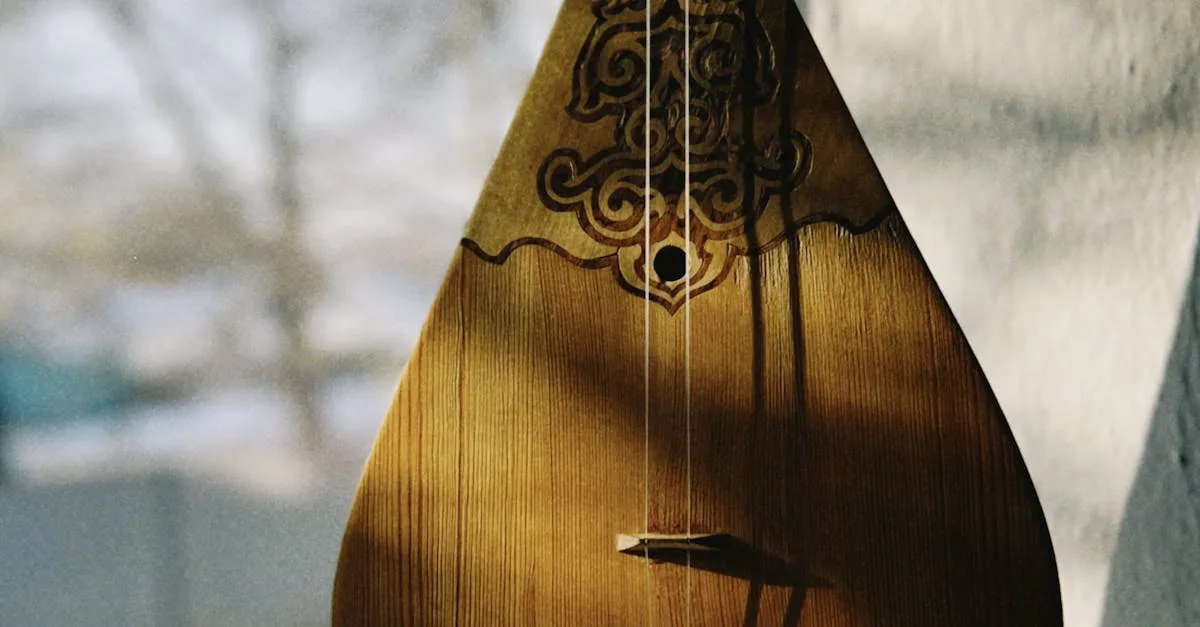
The dombra (Kazakh: домбыра) is a pear-shaped, long-necked, two-stringed instrument that has defined Kazakh musical identity for over 4,000 years. In 2014, UNESCO inscribed the art of Dombra Kuy on the Representative List of the Intangible Cultural Heritage of Humanity. For Kazakhs, the dombra is not just a musical instrument; there is a saying: “A real Kazakh is not a Kazakh himself, a real Kazakh is his dombra.”
What Is a Dombra?
The dombra is a plucked string instrument with two strings, a long fretted neck, and a hollow pear-shaped body carved from a single piece of wood. It produces a warm, resonant sound that can range from meditative melodies to rapid, percussive rhythms. The instrument typically measures 80 to 130 cm in length and weighs under 1 kg.
Unlike a guitar, the dombra has only two strings, traditionally made from sheep gut (now usually nylon). Players strum with the right hand while the left hand presses the strings against frets to produce notes. Some performers also tap the body for percussive effects, creating complex rhythmic patterns with a deceptively simple instrument.
History of the Dombra: 4,000+ Years
Ancient Origins
The dombra’s history stretches back millennia. In 1989, archaeologists discovered rock drawings on the Maitobe hill in the Almaty region depicting figures dancing around an instrument remarkably similar to the modern dombra. According to research by archaeologist Kemal Akishev, these petroglyphs date to the Neolithic period, roughly 4,000 years ago.
During excavations of the ancient city of Khorezm (in modern Uzbekistan), terracotta figurines of musicians playing two-stringed instruments resembling the dombra were found. Similar archaeological evidence appears across Central Asia, confirming that plucked two-string instruments have been part of steppe culture for thousands of years.
Medieval Period
The earliest written references to dombra-like instruments come from the works of Abu Nasr al-Farabi (870-950 CE), the renowned Central Asian philosopher and musician from the city of Otrar (in modern southern Kazakhstan). According to Britannica’s entry on al-Farabi, he was one of the Islamic world’s foremost philosophers and musical theorists. Al-Farabi described a “tanbur” instrument with features matching the dombra in his treatise on music.
During the Mongol and post-Mongol periods (13th-15th centuries), the dombra became deeply embedded in the nomadic Kazakh way of life. Every yurt had a dombra hanging on the wall, and it was considered a sign of misfortune if a household lacked one.
The Golden Age (18th-19th Century)
The 18th and 19th centuries produced legendary dombra composers who elevated the instrument to new artistic heights. This era gave birth to the two great schools of dombra playing that still define Kazakh music today.
Modern Revival
After decades of Soviet cultural policies that promoted European classical music, Kazakhstan experienced a dombra renaissance following independence in 1991. In 2018, President Nazarbayev established National Dombra Day, celebrated on the first Sunday of July each year. During celebrations, mass performances unite thousands of players across the country.
Two Schools of Dombra Playing
Kazakhstan has two distinct regional traditions of dombra music, each with its own style, repertoire, and technique:
| Feature | Tokpe Kui (Western) | Shertpe Kui (Eastern/Southern) |
|---|---|---|
| Region | Western Kazakhstan (Mangystau, Atyrau, Aktobe) | Eastern, Central, Southern Kazakhstan |
| Technique | Striking/strumming (tok = to strike) | Plucking individual strings (shert = to pluck) |
| Character | Bold, rhythmic, powerful, dramatic | Lyrical, melodic, meditative, subtle |
| Tempo | Fast, energetic | Slower, more contemplative |
| Famous masters | Kurmangazy, Dauletkerey, Dina Nurpeisova | Tattimbet, Abiken, Sugir |
| Frets | 8-9 frets | 12-23 frets |
| Historical context | Reflected battles, horse rides, steppe storms | Reflected philosophical reflection, love, nature |
What Is a Kuy?
A kuy (Kazakh: күй, meaning “state” or “feeling”) is a solo instrumental composition for dombra that tells a story without words. Each kuy has a legend behind it, an oral tradition where the performer explains the story before playing.
Famous examples include:
- “Aksak Kulan” (The Limping Kulan) tells how a khan’s son was killed by a wild donkey, and the messenger conveyed the tragic news through music rather than words
- “Adai” by Kurmangazy captures the spirit of the Adai tribe with its fierce, galloping rhythm
- “Saryarka” by Kurmangazy paints the vast Kazakh steppe through sound, considered the unofficial anthem of the dombra tradition
- “Sylkyldak” by Tattimbet is a meditative piece reflecting the sound of water and wind
Famous Dombra Players
Historical Masters
Kurmangazy Sagyrbaiyuly (1818-1889) is the most celebrated dombra composer in Kazakh history. Born in the Bukeyorda (western Kazakhstan), he created over 60 kyuis including the legendary “Adai,” “Saryarka,” and “Balbirauyn.” The Kazakh National Conservatory in Almaty bears his name. His compositions defined the Tokpe style and influenced generations of musicians.
Tattimbet Kazangapuly (1815-1862) was the greatest master of the Shertpe school from the Karaganda region. His kyuis are noted for their philosophical depth and melodic beauty. He created over 40 compositions, many of which are still performed today.
Dina Nurpeisova (1861-1955) was one of the greatest female dombra players, a student of Kurmangazy’s tradition. She lived to age 94 and her dombra is now preserved at the Pitt Rivers Museum at the University of Oxford, which catalogs it among its Central Asian musical instrument collection.
Dauletkerey Shigayuly (1820-1887) was known for his lyrical, emotionally rich compositions. His work bridged the Tokpe and Shertpe traditions.
Modern Performers
Today, artists like Arman Musakhodzhaev, Saken Abdikarimov, and the ensemble Turan continue to evolve dombra music. Contemporary musicians blend traditional kuy with jazz, electronic, and world music. The group Hassak and artist Dimash Kudaibergen have featured dombra in performances reaching global audiences.
How the Dombra Is Made
A traditionally crafted dombra is carved from a single block of hardwood and takes a master craftsman two to four weeks to complete, with each instrument considered unique. The construction process is a specialized art (Kazakh: шеберлік, or sheberlík) passed down through families and workshops, particularly in Almaty, Shymkent, and the western regions.
Wood Selection
The choice of wood determines the instrument’s tone. According to the Kazakhstan National Museum’s collection notes, master craftsmen (ustalar) historically preferred walnut for its density and resonance. Mulberry and apple wood were also common across southern Kazakhstan, where orchards provided a ready supply. Today, maple is widely used in factory production for its consistency. The key rule for a master-made dombra: the body must be carved from a single piece, not assembled from staves. A one-piece body vibrates as a unified resonant chamber, producing the warm, full tone that distinguishes handmade instruments from factory models.
Body Carving and Soundboard
The craftsman hollows the body with chisels and gouges, leaving walls approximately 3 to 5 mm thick. Thinner walls increase resonance but risk cracking; thicker walls add durability at the cost of projection. Once the cavity is complete, a thin soundboard (usually spruce or pine, 2 to 3 mm thick) is glued across the face of the body. A small oval or circular sound hole cut into the soundboard allows air to move freely, amplifying the strings’ vibration.
Neck, Frets, and Tuning
The neck is fitted to the body and carved from the same or a complementary hardwood. Frets on a traditional dombra are movable, tied from nylon or gut at specific intervals to allow the player to adjust tuning across regional styles. A western-style (tokpe) dombra typically has 8 to 9 frets, while an eastern-style (shertpe) instrument may have 12 to 23, enabling finer melodic gradations. Two tuning pegs, traditionally carved from wood and now often machine-made from metal, hold the strings at the headstock.
Strings and Finishing
Strings were historically spun from sheep gut twisted to specific gauges. Modern dombras use nylon monofilament or fluorocarbon fishing line, which provides consistent tuning stability in the dry steppe climate. The finished instrument is sanded, then lacquered or oiled to protect the wood. Decorative inlays of bone, horn, or mother-of-pearl are added on higher-grade instruments, often featuring geometric patterns from Kazakh traditional ornament. Master craftsmen in Almaty and Astana sometimes brand or sign instruments, and commissions from concert performers can take three to six months from order to delivery.
Where to Buy a Dombra and Prices
| Type | Price Range (KZT) | Price Range (USD) | Where |
|---|---|---|---|
| Factory-made student dombra | 5,000-15,000 | $10-30 | Music shops, Kaspi.kz |
| Mid-range dombra | 15,000-50,000 | $30-100 | Music-Room.kz, ArtMusical.kz |
| Professional handmade | 50,000-150,000 | $100-300 | Dombyra.kz, master workshops |
| Collector/concert grade | 150,000-500,000+ | $300-1,000+ | Custom order from masters |
Best places to buy in Almaty: Zhibek Zholy street music shops, Green Bazaar area, Music-Room.kz (delivers across Kazakhstan). Online: Kaspi.kz has 1,000+ models with installment payments.
UNESCO Recognition
In November 2014, the traditional art of Dombra Kuy was inscribed on the UNESCO Representative List of the Intangible Cultural Heritage of Humanity. The UNESCO nomination highlighted how kuy compositions serve as oral history, philosophy, and emotional expression for the Kazakh people. According to the Ministry of Culture of Kazakhstan, the application documented over 2,000 known kuy compositions transmitted through an unbroken master-student chain.
Kazakhstan submitted the application through the Ministry of Culture, documenting over 2,000 known kuy compositions and demonstrating how the tradition is transmitted from master to student in an unbroken chain spanning centuries.
National Dombra Day
Established by presidential decree on June 12, 2018, National Dombra Day (Kazakh: Домбыра күні) is celebrated on the first Sunday of July each year. The next celebration falls on July 5, 2026.
Highlights include:
- Mass dombra performances in city squares across Kazakhstan (the 2023 event in Astana set a record with over 10,000 simultaneous players)
- Competitions for young dombra performers
- Open-air concerts and masterclasses
- Exhibitions of antique and handcrafted dombras
Where to Hear Live Dombra Music
In Almaty:
- Kazakh State Philharmonic (Zhambyl Philharmonic Hall) hosts regular traditional music concerts
- Abay State Opera and Ballet Theatre features kuy performances
- Folk music at restaurants on Panfilov Street and in the Green Bazaar area
- Almaty Ethnographic Kazakh aul near Medeu has live performances during summer weekends
In Astana:
- Kazakh National University of Arts concert hall
- “Shabyt” Palace of Arts
- National Museum of Kazakhstan often hosts cultural performances
Festivals:
- Spirit of Tengri festival (annual, Almaty) features dombra alongside modern music
- Nauryz celebrations (March 21-23) include live dombra at every public gathering
- National Dombra Day (first Sunday of July)
Learning to Play the Dombra
For those interested in learning:
- Almaty Conservatory (Kurmangazy Kazakh National Conservatory) offers formal education
- YouTube: Channels like “Dombyra School” and “Learn Dombra” provide free tutorials
- Apps: “iDombra” app teaches basic kuy patterns
- Private lessons: Available in Almaty and Astana from 5,000-10,000 KZT ($10-20) per hour
- Workshops: During Nauryz and Dombra Day, free workshops are available in most major cities
The basics of simple melodies can be learned in 2 to 4 weeks. Mastering the traditional kuy repertoire takes years of dedicated practice.
Dombra vs Similar Instruments
The dombra belongs to a family of Central Asian long-necked lutes:
| Instrument | Country | Strings | Key Difference |
|---|---|---|---|
| Dombra (домбыра) | Kazakhstan | 2 | Pear-shaped body, fretted, plucked |
| Komuz | Kyrgyzstan | 3 | No frets, smaller body |
| Dutar | Uzbekistan, Turkmenistan | 2 | Longer neck, different tuning |
| Tanbur | Tajikistan, Uzbekistan | 3 | Metal frets, more ornate |
| Kobyz | Kazakhstan | 2 | Bowed (not plucked), spiritual use |
The dombra is unique in its combination of simplicity (two strings) and versatility (capable of complex rhythmic and melodic expression).
Dombra in Kazakh Cultural Life and Traditions
The dombra is woven into nearly every significant moment of Kazakh life, from birth celebrations to funerals, and its absence at a gathering has historically been considered inauspicious. Understanding this cultural role helps explain why the instrument survived Soviet-era suppression and why it resonates so strongly in contemporary Kazakhstan.
Rites and Ceremonies
In traditional nomadic society, a dombra hung on the wall of every yurt as both a practical instrument and a symbolic object. According to ethnographic records at the Kazakhstan National Museum in Astana, a dombra was placed near a newborn’s cradle so the child would grow up hearing music. At weddings, a dombra player opened the celebration before any feast began. At funerals, specific kuy compositions were played to guide the deceased and comfort the living, a practice documented by Russian ethnographers in the 19th century.
The instrument also served a diplomatic function. When a messenger had to deliver catastrophic news, Kazakh custom allowed the message to be conveyed through a kuy rather than words, sparing both parties from direct confrontation. The legendary kuy “Aksak Kulan” (The Limping Wild Donkey) is said to have originated exactly this way, when a musician told the khan of his son’s death through music.
The Akyn and Zhyrau Tradition
The dombra was the primary instrument of two figures central to Kazakh traditions: the akyn and the zhyrau. An akyn was a poet-improviser who composed and performed verse to dombra accompaniment, often competing in public debates called aitys. A zhyrau was an epic singer attached to a khan’s court, using the dombra to accompany long historical and heroic narratives. Both roles required mastery of the instrument and an encyclopedic memory for oral literature. The akyn tradition continues today, with aitys competitions broadcast on national television and drawing large audiences.
Soviet Period and Preservation
During the Soviet era (1920-1991), Kazakh cultural authorities faced conflicting pressures. On one hand, Soviet policy pushed European instruments and orchestral formats. On the other, the dombra was so central to Kazakh identity that suppressing it would have been politically counterproductive. The compromise was institutionalization: dombra playing was incorporated into conservatory curricula, ensembles like the Kurmangazy Orchestra were established in 1934, and kuy compositions were notated in Western staff notation for the first time. This formalization preserved the repertoire while also standardizing it, a trade-off that ethnomusicologists still debate.
Dombra and Kazakh Identity Today
Since independence in 1991, the dombra has become one of the most visible symbols of the Kazakh state. It appears on cultural awards, in school music programs, and at every official national celebration. The famous people from Kazakhstan who have achieved global recognition often incorporate the dombra into their public identity. According to the Ministry of Culture of Kazakhstan, over 600 music schools across the country offer dombra instruction, and the instrument is a standard part of the national school curriculum from grade one. Surveys conducted by the Eurasian Research Institute show that more than 80% of Kazakhs identify the dombra as the country’s most important cultural symbol, ahead of other national emblems.
Frequently Asked Questions
- How many strings does a dombra have?
- A traditional dombra has two strings, historically made from sheep gut but now typically nylon. Despite having only two strings, skilled players produce rich, complex music through a combination of strumming, plucking, and percussive techniques on the body of the instrument.
- Is the dombra a UNESCO heritage instrument?
- Yes. In November 2014, the Kazakh traditional art of Dombra Kuy was inscribed on the UNESCO Representative List of the Intangible Cultural Heritage of Humanity. This recognized both the instrument and the kuy tradition of storytelling through music.
- When is National Dombra Day in Kazakhstan?
- National Dombra Day is celebrated on the first Sunday of July each year in Kazakhstan. It was established by presidential decree in 2018. The next celebration is July 5, 2026. Celebrations include mass performances, competitions, and concerts across the country.
- How much does a dombra cost?
- A factory-made student dombra costs 5,000 to 15,000 KZT ($10-30 USD). Mid-range instruments run 15,000 to 50,000 KZT ($30-100). Professional handmade dombras from master craftsmen cost 50,000 to 150,000 KZT ($100-300), while concert-grade collector instruments can exceed 500,000 KZT ($1,000+).
- What is the difference between tokpe and shertpe dombra styles?
- Tokpe kui is the western Kazakhstan tradition featuring bold, rhythmic strumming with 8-9 frets, known for powerful compositions about battles and the steppe. Shertpe kui is the eastern/southern tradition using individual string plucking with 12-23 frets, producing more lyrical, philosophical melodies. Kurmangazy represents tokpe; Tattimbet represents shertpe.
- Who is the most famous dombra player?
- Kurmangazy Sagyrbaiyuly (1818-1889) is widely considered the greatest dombra composer. His compositions 'Adai' and 'Saryarka' are iconic in Kazakh culture. The Kazakh National Conservatory in Almaty bears his name. Among modern players, artists like Dimash Kudaibergen have brought dombra to international audiences.
Last verified: March 2026
More Stories
culture
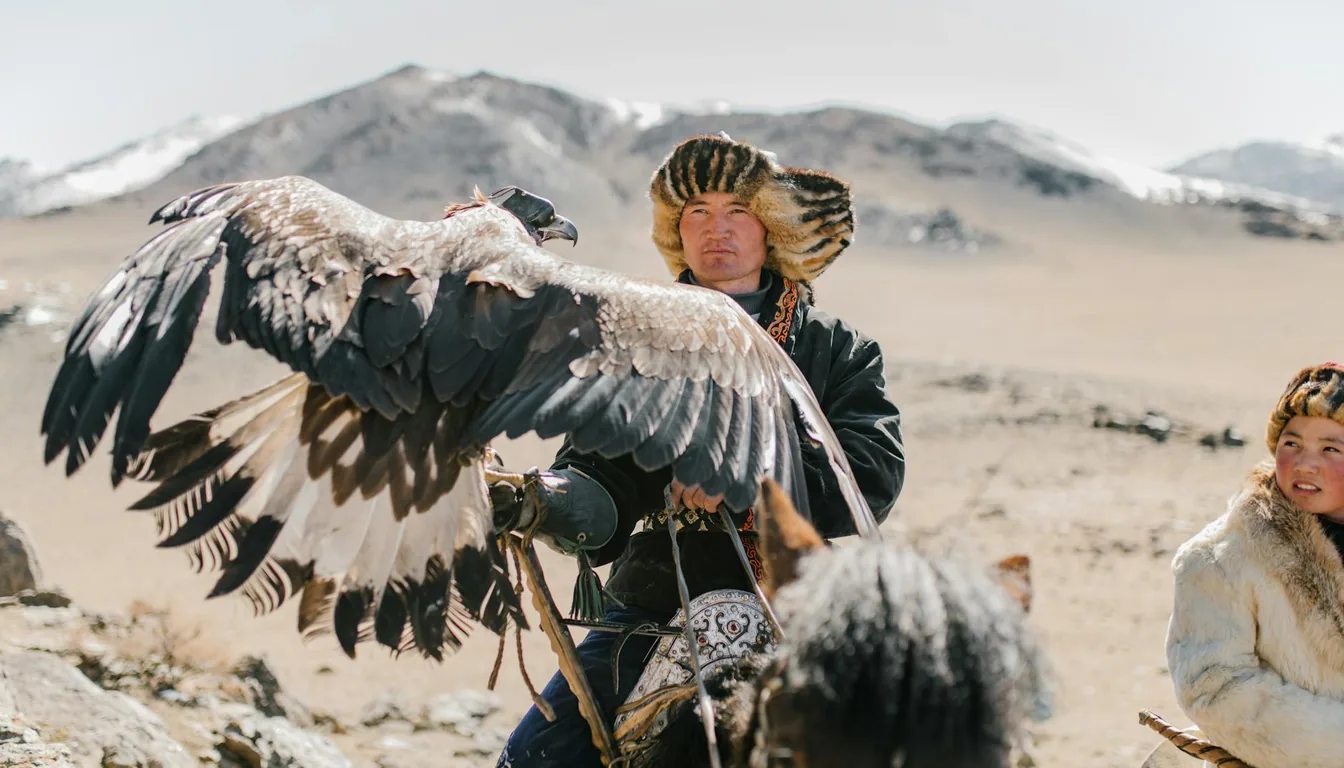
Kazakhstan Culture: Nomadic Traditions, Music & Hospitality Rituals
Kazakhstan culture explained by a local: 3,000 years of nomadic heritage, dombra music, yurt etiquette, hospitality rules, and 7 UNESCO traditions.
culture
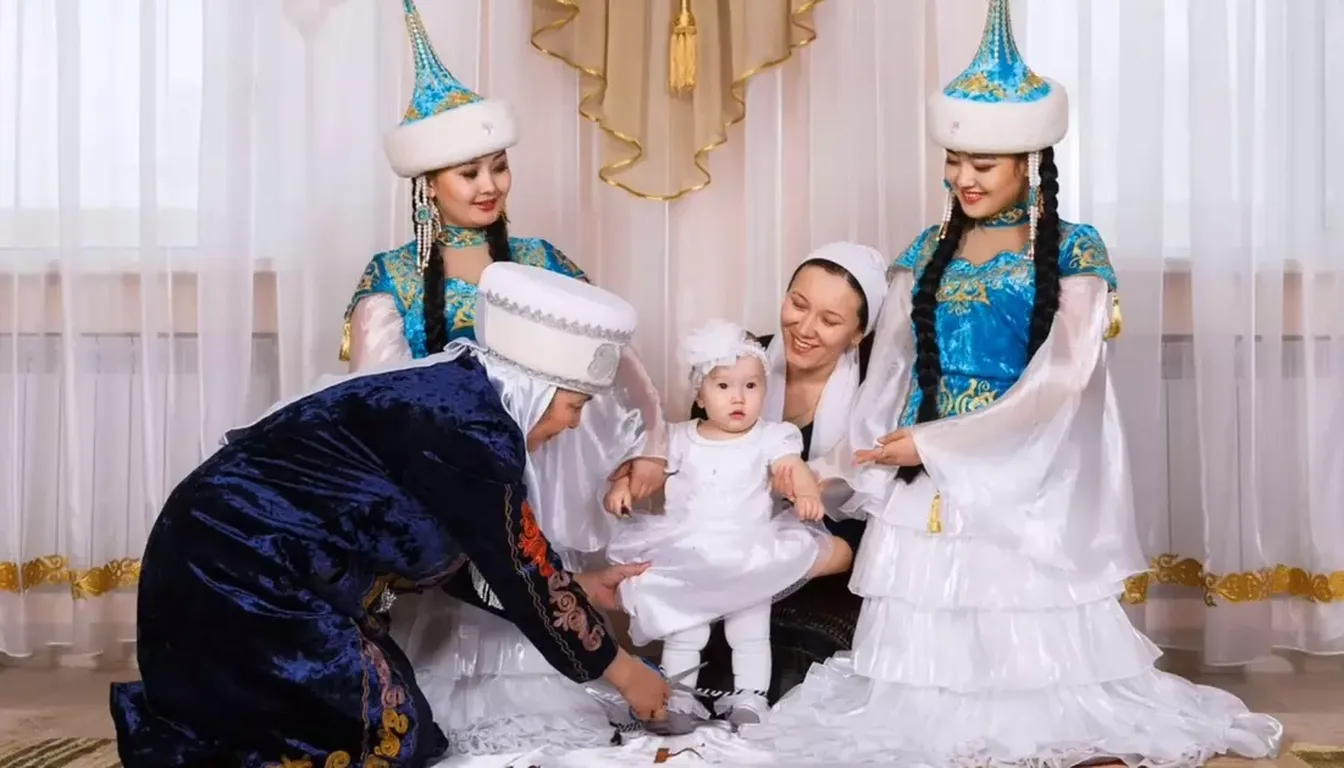
Kazakhstan Traditions: 15 Living Customs From the Steppe
Kazakhstan traditions: 15 living customs from dastarkhan hospitality and eagle hunting to Nauryz, horse games, and wedding rituals still practiced today.

travel
12 Best Day Trips from Almaty: Complete Guide 2026
Best Almaty day trips — Charyn Canyon, Big Almaty Lake, Kolsai Lakes, Tamgaly petroglyphs, Altyn-Emel. Distances, costs, and how to get there.