Big Almaty Lake: The Turquoise Lake 30 Minutes from the City
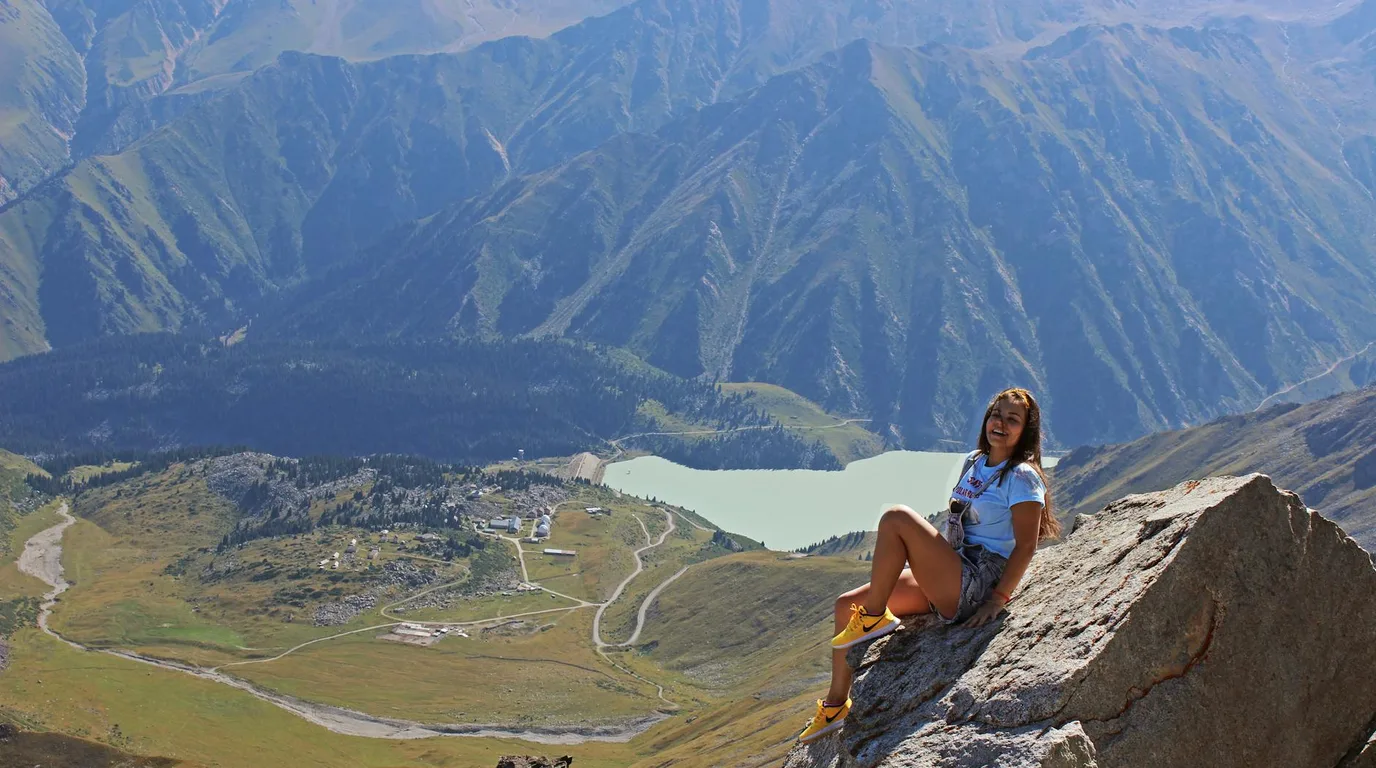
The color is the first thing. A turquoise so vivid it looks photoshopped, sitting in a bowl of grey rock and white snow at 2,511 meters in the Tien Shan. I have taken maybe fifty people to Big Almaty Lake over the years - friends, colleagues, visitors. Every single one has the same reaction when they round the last curve and the lake appears: they stop talking and reach for their phone.
According to the Ile-Alatau National Park administration, Big Almaty Lake (Ulken Almaty Koli) is a tectonic lake formed by ancient earthquakes. It sits 28 km from Almaty city center - close enough for a half-day trip, high enough to feel like a different world.
| Detail | Information |
|---|---|
| Elevation | 2,511 m (8,238 ft) |
| Length | 1.6 km |
| Width | 1 km |
| Maximum depth | 40 m |
| Water source | Ozerniy glacier melt |
| Distance from Almaty center | 28 km |
| Drive time | 45-60 minutes |
Why the Lake Is That Color
According to glaciologist Dr. Igor Severskiy (Institute of Geography, Almaty), the vivid turquoise comes from glacial flour - microscopic rock particles ground by the Ozerniy glacier. These particles are so fine they stay suspended in the water and scatter sunlight in the blue-green spectrum. The same phenomenon creates the turquoise lakes in Banff, Canada and Jiuzhaigou, China. According to UNESCO’s World Heritage entry on Jiuzhaigou, glacial flour suspended in high-altitude lakes is one of the defining optical characteristics of mountain lake systems worldwide.
The color intensity changes with the season:
- June-August: Most vivid turquoise (peak glacier melt = maximum suspended particles)
- May and September: Lighter blue-green
- October-April: Grey-green or frozen white
If you come specifically for the turquoise, visit in July or August.
How to Get There
The lake is 28 km south of Almaty. The road climbs from 800m (city) to 2,511m (lake) in under 30 km - a serious altitude gain.
| Method | Time | Cost | Notes |
|---|---|---|---|
| Taxi (Yandex Go / inDrive) | 45-60 min | 5,000-8,000 KZT ($10-16) one way | Negotiate wait time or arrange pick-up |
| Organized tour | Half day | $20-50/person | Hotel pick-up, guide, sometimes lunch |
| Rental car | 45-60 min | $40-60/day rental | SUV recommended, sedan possible in dry weather |
| Bicycle | 2-3 hours up | Free | Serious climb: ~1,700m elevation gain. Reward: epic downhill. |
| Bus #28 + walk | 4-5 hours total | ~500 KZT bus + legs | Bus to road start, then 13 km uphill walk |
My recommendation: Taxi up, walk down. It takes 2-3 hours to walk back to the city outskirts following the road downhill, and the mountain views the entire way are spectacular. Alternatively, hitch a ride down - cars heading back are usually willing to stop.
What to Expect at the Lake
The view. Snow-capped peaks of the Tien Shan surround the lake on three sides, as part of Kazakhstan’s mountain ranges. According to geographic surveys, the highest visible peak is Pik Sovetov at 4,317 m. On a clear day the scale is humbling. The lake sits in a natural cirque, so the sound carries strangely and the silence between gusts of wind is almost total. Most visitors spend 30 to 60 minutes at the viewpoint before continuing to the observatory trail or heading back down.
Swimming. Not allowed. According to park regulations, Big Almaty Lake is a drinking water reservoir for Almaty. Touching the water is technically prohibited, though enforcement is inconsistent. The water is glacier-fed and painfully cold regardless. Surface temperature in July, the warmest month, rarely exceeds 8°C according to measurements by the Almaty water authority.
Facilities. Minimal. A small parking area at the viewpoint. Basic toilet. No cafe, restaurant, or shop at the lake. Bring everything you need. The nearest place to buy food or drink is approximately 10 km back down the road, where a cluster of yurt cafes operates from May through September serving tea, lagman, and bread at local prices.
Crowds. Weekday mornings are quiet. Weekend afternoons are busy with Almaty families. According to park visitor counts, July-August weekends see 500+ visitors per day. Arriving by 8 AM on any day gives you the lake nearly to yourself and the best chance of still-water reflections before afternoon breezes disturb the surface.
Photography Tips
I have photographed this lake in every season and every light condition:
- Sunrise is best. The mountains glow orange-pink and the lake surface is mirror-still before wind picks up around 10 AM. You need to leave Almaty by 5 AM.
- The west shore gives the classic postcard angle with peaks reflected in the water.
- Overcast days actually work well - the turquoise pops more without harsh shadows.
- Drone note: According to park rules, drone flying requires a permit. In practice, many people fly drones and nobody stops them, but technically you should ask.
Hiking from the Lake
If the lake alone is not enough, several trails continue upward:
| Trail | Distance from lake | Difficulty | Elevation | Highlights |
|---|---|---|---|---|
| Tien Shan Observatory | 3 km | Moderate | 2,735 m | Panoramic views, astronomical facility |
| Ozerniy Glacier | 6 km | Hard | 3,200+ m | Source of the lake’s turquoise water |
| Furmanov Peak | 8 km from Medeu | Hard | 3,050 m | Best panoramic views near Almaty |
| Kok Zhailau meadow | 6 km from Medeu | Moderate | 2,300 m | Alpine wildflower meadow |
Altitude warning. You are going from 800m (Almaty) to 2,500m+ in under an hour by car. According to Wilderness Medicine Society guidelines, some people experience mild altitude symptoms (headache, shortness of breath) at this elevation. Take it slow. Drink water. Do not run.
What to Bring
From experience:
- Warm layers. Even in July, the lake is 10-15°C cooler than the city. Wind makes it feel colder. I have shivered in August here.
- Sunscreen and hat. UV intensity at 2,500m is significantly higher than at sea level. According to the WHO UV index, you burn faster at altitude.
- Water and snacks. Nothing for sale at the lake.
- Cash. Small park entrance fee (~600-1,000 KZT). No card machines.
- Charged phone/camera. Cold temperatures drain batteries faster.
Best Time to Visit
| Month | Lake color | Road access | Temperature at lake | Rating |
|---|---|---|---|---|
| May | Pale blue-green, may be partially frozen | Opening, may have snow patches | 5-10°C | Fair |
| June | Turning turquoise | Clear | 10-15°C | Great |
| July-August | Peak turquoise | Clear | 15-20°C | Best |
| September | Vivid blue-green, fewer particles | Clear | 8-15°C | Great |
| October | Fading color | May close soon | 0-8°C | Fair |
| Nov-April | Frozen or grey | Road closed by snow | Below 0°C | Closed |
Combine With Other Day Trips
Big Almaty Lake is one of several mountain destinations close to Almaty:
- Medeu and Shymbulak - on the same road initially, branch off partway up. Easy to combine.
- Charyn Canyon - different direction (east), separate day trip.
- Kok Zhailau - alpine meadow accessible from Medeu, different trail.
- Turgen Waterfall - east of the city, combinable with Charyn direction.
According to the best time to visit Almaty guide and Lonely Planet’s Kazakhstan page, July and August give you the widest range of accessible mountain destinations.
The Ile-Alatau National Park Context
Big Almaty Lake sits inside Ile-Alatau National Park, a 199,700-hectare protected area that forms the natural barrier between the sprawling city of Almaty and the high Tian Shan range. The park was established in 1996 and is managed by the Kazakhstan Committee for Forestry and Wildlife. According to the park administration’s official data, the reserve protects more than 1,000 plant species, over 200 bird species, and large mammals including brown bear, snow leopard, and ibex. The lake itself is one of the park’s centerpieces and the primary reason most visitors enter the reserve at all.
The national park extends from 1,000 meters at its northern edge to peaks above 4,500 meters on the southern border with Kyrgyzstan. The contrast within a single drive is dramatic: you leave the concrete of Almaty, pass through a belt of apple and apricot orchards, enter spruce forest above 1,500 meters, and emerge into an alpine zone of bare rock and glacier by the time you reach the lake. According to park records, over 300,000 visitors enter Ile-Alatau annually, making it one of the most visited protected areas in Central Asia.
For visitors wanting to explore beyond the lake, the park has marked trails, ranger stations, and designated camping areas. The entrance fee of 600-1,000 KZT covers access to the entire park zone, not just the lake viewpoint. A separate permit is required for entry into the border zone within 25 km of the Kyrgyz frontier.
The Water Supply Role and Conservation Rules
Big Almaty Lake is not just a scenic destination. It is the primary drinking water reservoir for Almaty, a city of 2.2 million people, and this function shapes every rule at the site.
According to the Almaty city water authority, the lake and its watershed supply a significant portion of the city’s water. The Ozerniy River flows from the lake into a pipeline system that feeds residential and industrial consumers in the city below. This is why swimming, touching the water, and launching boats are prohibited. Enforcement varies in practice, but the restriction is real and the reason is logical: every person who enters the water affects what flows into millions of taps.
The conservation implications extend further. The watershed above the lake is a protected zone where livestock grazing, construction, and logging are banned. According to research published by the Kazakh Institute of Geography, climate change is accelerating glacier retreat in the Zailiysky Alatau range. The Ozerniy glacier, which feeds Big Almaty Lake, has retreated by an estimated 15-20% over the past 50 years based on satellite comparison studies. Reduced glacier mass means reduced summer melt, which means less water in the lake and, ultimately, less water in the city. The lake’s turquoise color and Almaty’s water security are directly connected to the health of glaciers most visitors never see.
Visitors can help by staying on marked paths, taking all rubbish out, and not approaching the shoreline. Rangers are present on busy summer weekends.
Nearby Attractions Worth Adding to Your Day
A trip to Big Almaty Lake pairs well with several nearby sites that add minimal extra time but significantly expand the experience.
The Tien Shan Astronomical Observatory sits 3 km past the lake at 2,735 meters elevation, reachable by road or a 45-minute walk from the lake viewpoint. Built in 1957 during the Soviet era, it houses several telescopes and is still an active research facility. The observatory is not always open to public tours, but the building and the panoramic view from its plateau are accessible to any visitor who walks up. On a clear day you can see the entire sweep of the Zailiysky Alatau range from this elevated vantage point.
The road to Big Almaty Lake also passes through the lower Ile-Alatau valley, where a handful of local yurt cafes and guesthouses operate during summer. These offer basic Kazakh food, hot tea, and a chance to sit with mountain views before or after the lake. Prices are low: a bowl of lagman (noodle soup) runs 800-1,200 KZT, and tea is free.
For those combining multiple destinations, Medeu and Shymbulak are on a different road south of Almaty but only 20 km away by car. Many visitors spend a morning at Big Almaty Lake and an afternoon at the Shymbulak gondola, covering both in a single day. The two valleys offer a genuine contrast: Big Almaty Lake is wilder and less developed, Shymbulak is polished and resort-like.
Frequently Asked Questions
- How do I get to Big Almaty Lake from Almaty?
- According to distance measurements, the lake is 28 km south of Almaty center, 45-60 minutes by car. Options: taxi (5,000-8,000 KZT one way), organized tour ($20-50), rental car (SUV recommended), or bus #28 plus 13 km uphill walk. The road is steep with ~1,700m elevation gain.
- Can you swim in Big Almaty Lake?
- No. According to Ile-Alatau National Park regulations, swimming and touching the water are prohibited because the lake is a drinking water reservoir for Almaty. The water is also glacier-fed and extremely cold year-round.
- Why is Big Almaty Lake turquoise?
- According to glaciologist Dr. Igor Severskiy, the color comes from glacial flour - microscopic rock particles ground by the Ozerniy glacier that scatter light in the blue-green spectrum. The color is most vivid in July-August when glacier melt is at its peak.
- What is the best time to visit Big Almaty Lake?
- According to seasonal conditions, July and August offer the most vivid turquoise color and warmest temperatures (15-20°C at the lake). The road is typically open from May to October. November through April the road is closed by snow.
- Is Big Almaty Lake free to visit?
- According to park fees, there is a small Ile-Alatau National Park entrance fee of approximately 600-1,000 KZT ($1-2). The main expense is transport from Almaty. A taxi runs $10-16 one way.
- Can I camp near Big Almaty Lake?
- According to park regulations, camping at the lake itself is not permitted as it is a protected water source. Designated camping areas exist lower in the valley within Ile-Alatau National Park. The lake is best visited as a half-day trip from Almaty.
Last verified: March 2026
More Stories
nature
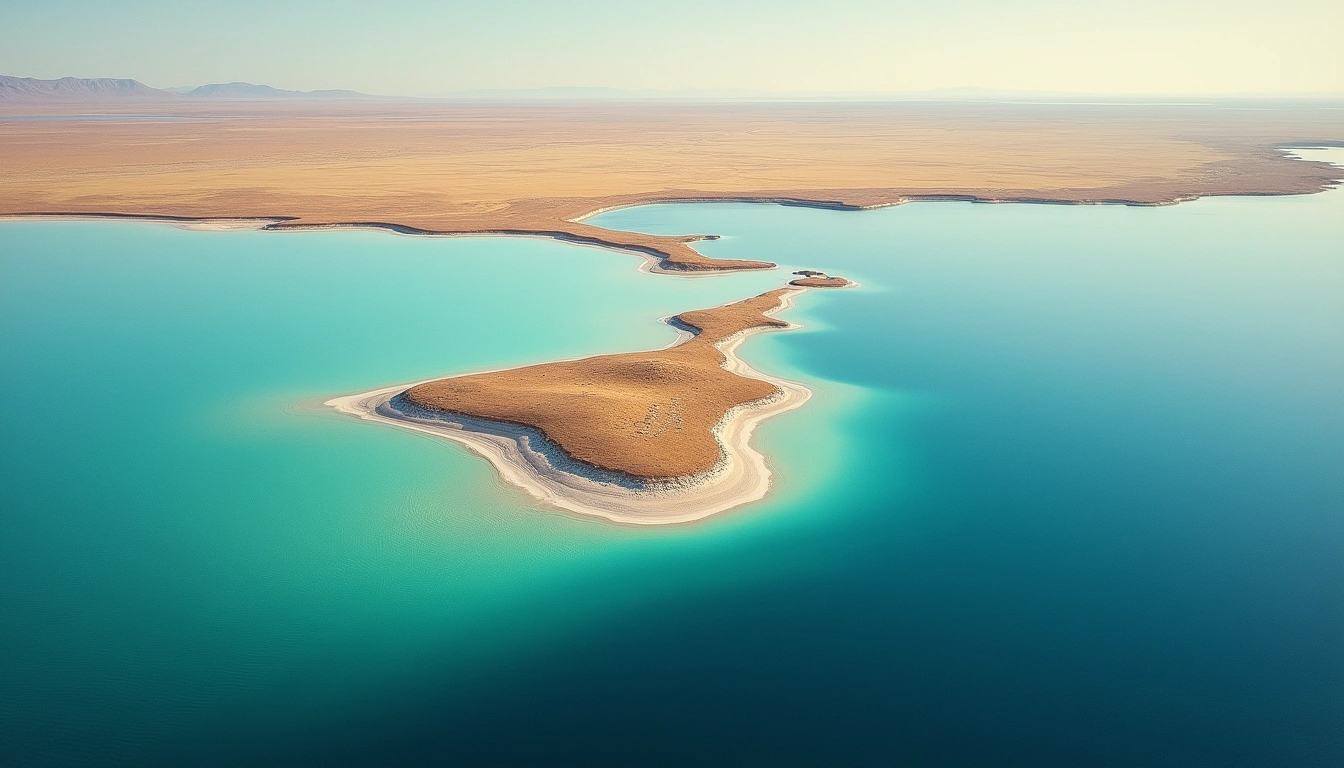
Lake Balkhash: Kazakhstan's Two-Toned Natural Wonder
Lake Balkhash is Central Asia's largest lake after the Aral Sea, famous for its half-fresh, half-salt water. Discover wildlife, travel tips, and ecology.
nature
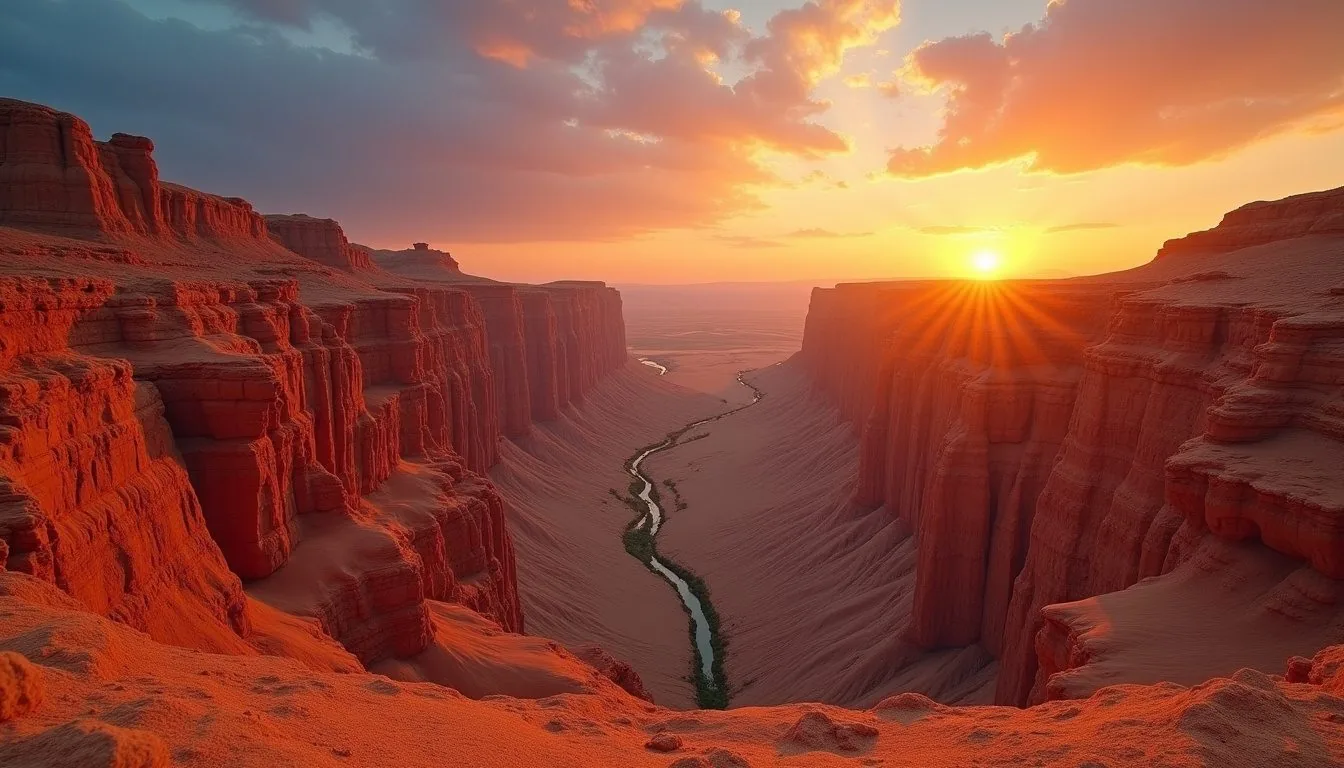
Charyn Canyon: Kazakhstan's Answer to the Grand Canyon
Charyn Canyon guide - Valley of Castles, how to get there from Almaty, best time, hiking, and why this 12-million-year-old gorge is worth it.
travel
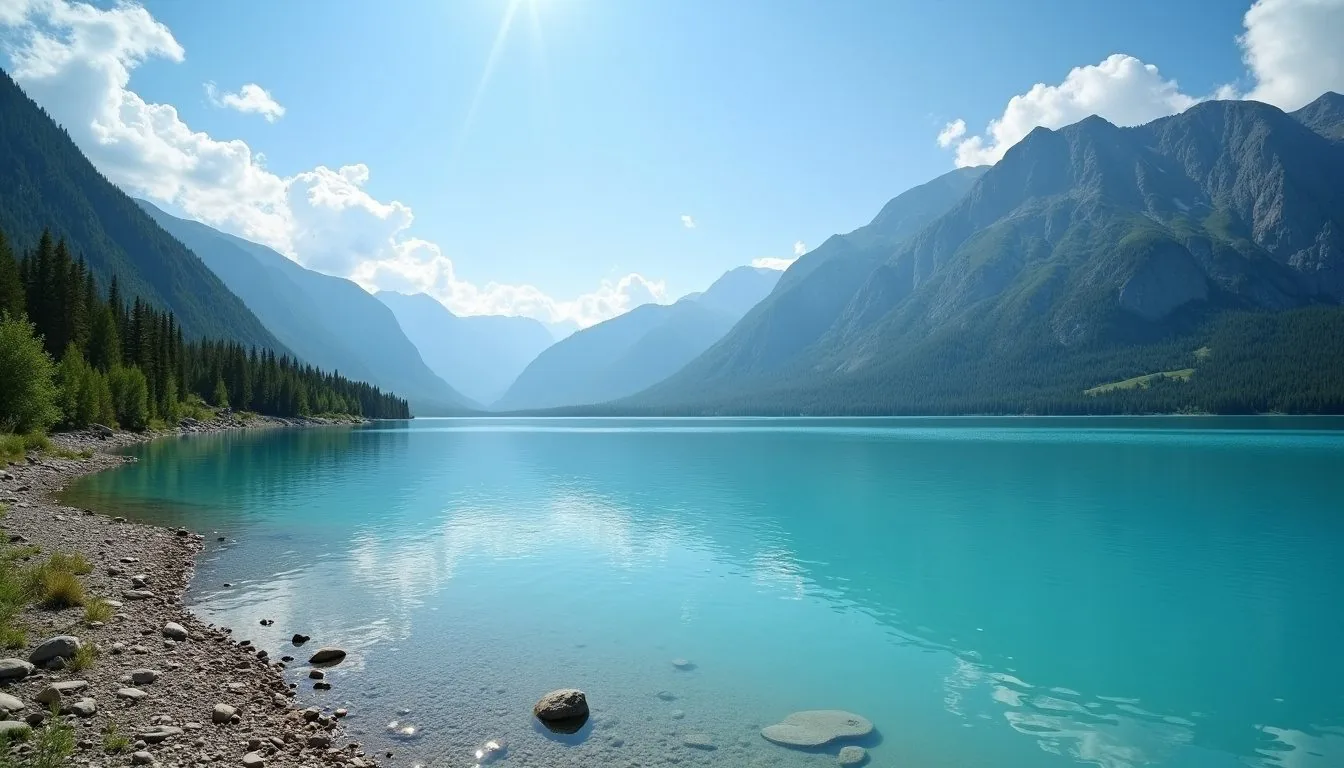
12 Best Day Trips from Almaty: Complete Guide 2026
Best Almaty day trips — Charyn Canyon, Big Almaty Lake, Kolsai Lakes, Tamgaly petroglyphs, Altyn-Emel. Distances, costs, and how to get there.