Almaty vs Astana

Almaty is Kazakhstan’s cultural and mountain city, a 2.3-million-strong metropolis backed by the Tian Shan range with the country’s best food, nightlife, and outdoor access. Astana is the modern political capital, built from scratch on the steppe since 1997, defined by futuristic architecture, wide boulevards, and government ambition. Almaty suits culture-seekers, hikers, and foodies; Astana appeals to architecture fans, business travelers, and anyone curious about one of the world’s most unusual capital cities.
Kazakhstan’s two major cities sit 1,200 km apart and could not be more different. Almaty grew organically over 170 years at the foot of snow-capped peaks. Astana was willed into existence by presidential decree on a flat, wind-scoured steppe where winter temperatures drop below -35°C. Understanding the contrast between them is one of the most interesting things about traveling in Kazakhstan, and choosing the right city (or visiting both) can define your entire trip.
This guide compares Almaty and Astana across every category that matters: cost, weather, things to do, food, nightlife, architecture, transport, and quality of life for tourists, expats, and business visitors.
Master Comparison Table
| Category | Almaty | Astana |
|---|---|---|
| Population | 2.3 million (2024, Bureau of National Statistics) | 1.5 million |
| Status | Largest city, cultural & economic capital | Political capital since 1997 |
| Elevation | 700–900 m above sea level | 347 m |
| Climate | Continental, milder winters (-5°C Jan avg) | Extreme continental (-14°C Jan avg) |
| Summer high | 30–32°C (July) | 27–30°C (July) |
| Mountains | Tian Shan, 30 min from centre | Flat steppe, no mountains |
| Nightlife | Best in Kazakhstan, 100+ bars/clubs | Limited, ~20 notable venues |
| Architecture | Soviet-era + modern mix | Futuristic, Foster-designed landmarks |
| Food scene | Excellent, 2,000+ restaurants | Good, 800+ restaurants |
| International flights | 50+ destinations | 30+ destinations, growing |
| Metro/LRT | Metro (1 line, 11 stations) | LRT (1 line, 18 stations) |
| Average hotel (per night) | $80–150 | $60–120 |
| Average meal | $8–15 | $6–12 |
| English spoken | Moderate | Low |
| Best for | Culture, nature, food, nightlife | Architecture, business, modernity |
Weather Comparison by Month
Climate is often the deciding factor. Almaty’s mountain-sheltered basin keeps winters manageable; Astana’s open steppe creates one of the harshest urban climates on earth.
| Month | Almaty Avg °C | Astana Avg °C | Notes |
|---|---|---|---|
| January | -5 | -14 | Astana regularly hits -30 to -35 with windchill |
| February | -3 | -13 | Both cities at their driest |
| March | 5 | -5 | Almaty sees first spring warmth |
| April | 13 | 7 | Almaty ideal; Astana still cold at night |
| May | 18 | 15 | Both pleasant; Astana’s best months begin |
| June | 23 | 21 | Peak season for both cities |
| July | 26 | 23 | Almaty can hit 35+; Astana comfortable |
| August | 25 | 21 | Similar to July |
| September | 19 | 14 | Golden autumn in Almaty’s mountains |
| October | 11 | 5 | Last comfortable month for Astana |
| November | 3 | -5 | Astana’s winter begins |
| December | -3 | -11 | Astana locked in deep freeze |
Key takeaway: Visit Almaty April–June or September–October. Visit Astana May–September only, unless you specifically want to experience extreme cold. Almaty has roughly 2 more months of comfortable weather per year. Numbeo’s quality of life index for Kazakhstan consistently places Almaty ahead of Astana on climate comfort metrics.
Source: Kazakhstan Hydrometeorological Service (Kazhydromet), 30-year averages.
Cost of Living Comparison
Almaty is consistently 15–25% more expensive than Astana across most categories, reflecting its status as the commercial capital and its larger expat population. Both cities remain affordable by European or North American standards.
| Expense | Almaty | Astana |
|---|---|---|
| Budget hotel/hostel (night) | $25–50 | $20–40 |
| Mid-range hotel (night) | $80–150 | $60–120 |
| Luxury hotel (night) | $200–400 | $150–300 |
| Local lunch (cafe) | $5–10 | $4–8 |
| Restaurant dinner (two people) | $30–60 | $25–45 |
| Specialty coffee | $2.50–4.50 | $2–3.50 |
| Beer at bar | $3–5 | $2.50–4 |
| Monthly apartment rent (1-bed, centre) | $500–800 | $350–600 |
| Monthly apartment rent (1-bed, outside) | $300–500 | $200–350 |
| Public transport (single ride) | $0.30 (150 KZT) | $0.25 (120 KZT) |
| Taxi across city | $5–10 | $4–8 |
| Gym membership (monthly) | $40–70 | $30–50 |
All prices in USD. 1 USD ≈ 525 KZT (2026). Source: Numbeo Cost of Living in Kazakhstan, local listings.
For tourists on a budget, Astana stretches further. For expats, Almaty has a wider rental market with more furnished apartment options, but you pay a premium for the mountain views and central location. Read more in our Almaty guide and Astana guide.
Things to Do in Almaty
Almaty delivers the most complete visitor experience of any city in Central Asia. The combination of mountain access, food culture, historical sites, and nightlife keeps travelers busy for 4–7 days easily.
Nature and outdoors:
- Shymbulak Ski Resort: 25 minutes from the city centre by gondola, operating year-round (skiing in winter, hiking and mountain biking in summer)
- Big Almaty Lake: a turquoise glacial lake at 2,511 m elevation, reachable by taxi in 45 minutes
- Ile-Alatau National Park: 200,000 hectares of alpine wilderness starting from the city’s southern edge
- Kok-Tobe Hill: cable car rides, city panoramas, a Beatles monument, and restaurants
- Charyn Canyon: 200 km east, a day trip with red sandstone formations 300 m deep
Culture and history:
- Green Bazaar (Zelyony Bazaar): the best market in Kazakhstan for dried fruits, spices, horsemeat, and people-watching
- Central State Museum: covers Kazakh history from the Bronze Age through the Soviet period
- Kasteyev State Museum of Arts: Kazakhstan’s largest art collection, strong on Kazakh and Soviet art
- Panfilov Park and Zenkov Cathedral: a peaceful park surrounding one of the world’s tallest wooden buildings, built in 1907 without nails
- Republic Square: site of the 1986 Jeltoqsan protests, with the Independence Monument
Nightlife: Almaty has over 100 bars, clubs, and late-night venues concentrated around Dostyk Avenue, Tole Bi, and the Arbat pedestrian area. Live music, craft cocktail bars, and clubs open until 5 AM are normal here. Nothing in Central Asia comes close.
For the full breakdown, see our guide to things to do in Almaty.
Things to Do in Astana
Astana rewards visitors who appreciate urban planning, monumental architecture, and the story of how a country invents a capital city from nothing. You need 2–3 full days.
Architecture and landmarks:
- Baiterek Tower: the 105 m observation tower with a golden orb, Astana’s defining symbol and the country’s most photographed landmark
- Khan Shatyr: the world’s tallest tensile structure, designed by Norman Foster, containing shops, a water park, and a rooftop beach with sand imported from the Maldives
- Palace of Peace and Reconciliation: a 77 m glass pyramid (also Foster-designed) hosting an opera house, exhibition spaces, and interfaith summits
- Hazrat Sultan Mosque: the largest mosque in Central Asia, holding 10,000 worshippers, with white marble and gold-topped minarets
- Nurzhol Boulevard: the central promenade connecting the Presidential Palace to Baiterek and Khan Shatyr, lined with government buildings and public art
Museums:
- National Museum of the Republic of Kazakhstan: the country’s best museum with 74,000 exhibits, including the original Golden Man armor (Saka warrior, 3rd century BC)
- EXPO 2017 Sphere (Nur Alem): the world’s largest spherical building, now a future energy museum with interactive exhibits across 8 floors
Day trips from Astana:
- Burabay (Borovoe) National Park: 250 km north, a “Kazakhstan Switzerland” with pine forests, granite outcrops, and crystal lakes, and one of the best nature escapes from the capital
- Korgalzhyn Nature Reserve: UNESCO-listed wetlands 130 km southwest where you can spot flamingos (yes, flamingos in Kazakhstan) from May–September
Which City Is Better for Tourists?
Almaty wins for most tourists. It has more attractions, a better food scene, immediate mountain access, lively nightlife, and a more walkable city centre. A first-time visitor to Kazakhstan with only one city to choose should choose Almaty.
Astana is better for architecture enthusiasts, history-of-nation-building fans, and travelers who have already seen Almaty. It is genuinely unlike any other city in the world. The scale of the construction, the ambition, and the surreal quality of a futuristic capital on a frozen steppe make it worth the trip.
If you have 5+ days in Kazakhstan, visit both. The Almaty-to-Astana route is one of the best itineraries in the country.
Which City Is Better for Expats?
Almaty is the default choice for most expats, and the numbers confirm it: an estimated 15,000–20,000 foreign residents live in Almaty vs. 5,000–8,000 in Astana. According to Wikipedia’s article on Almaty, the city remains Kazakhstan’s financial, cultural, and scientific centre despite losing its capital status in 1997.
| Factor | Almaty | Astana |
|---|---|---|
| International community | Large, established | Smaller, mostly diplomatic |
| English-friendly | Moderate (menus, apps, some staff) | Low (government operates in Kazakh/Russian) |
| Co-working spaces | 30+ | 10+ |
| International schools | 5+ (Haileybury, QSI, etc.) | 3+ (NIS, Miras, etc.) |
| Healthcare | Best private clinics in Kazakhstan | Good government hospitals |
| Entertainment | Extensive (concerts, festivals, cafes) | Limited but growing |
| Climate comfort | 8 comfortable months | 5 comfortable months |
| Safety | Very safe (low violent crime) | Very safe |
The exception: If you work in government, diplomacy, energy sector administration, or national-level organizations, Astana is where the action is. Kazakhstan’s government ministries, the presidential administration, and most international organizations (UN, OSCE, World Bank offices) operate from Astana.
Which City Is Better for Business?
It depends on your sector:
- Finance, tech, startups, consumer brands, media: Almaty. The Almaty International Financial Centre (AIFC) operates under English common law and houses most of Kazakhstan’s fintech and startup ecosystem. According to World Bank data on Kazakhstan, the country’s GDP growth has averaged over 3% annually since 2020. The city generates roughly 20% of Kazakhstan’s GDP.
- Government relations, energy, mining, diplomacy: Astana. All government ministries, the presidential administration, Samruk-Kazyna (the sovereign wealth fund), and Kazakhstan’s oil & gas regulatory bodies are headquartered here.
- Manufacturing, logistics: Neither. Shymkent, Aktau, and Atyrau are more relevant, though Almaty and Astana serve as administrative hubs.
Both cities have international conference facilities. Astana’s EXPO grounds and Congress Centre handle the largest events; Almaty hosts more frequent business conferences and trade shows.
Accommodation Comparison
Both cities offer the full range from hostels to five-star hotels, but the character of accommodation differs.
Almaty accommodation:
- Wide variety of boutique hotels, Soviet-era renovated buildings, and Airbnb apartments
- Best areas to stay: Dostyk Ave, Abay/Nazarbayev intersection, near Republic Square
- Charming older buildings with high ceilings are common in the centre
- More Airbnb/apartment options than Astana, making it ideal for longer stays
- Peak season: May–October; book ahead for July–August
Astana accommodation:
- Dominated by modern, international-standard hotels (Hilton, St. Regis, Ritz-Carlton)
- Best areas to stay: Left Bank (near Baiterek), Nurzhol Boulevard area, near Khan Shatyr
- Most hotels are new builds (post-2010) with modern amenities
- Better hotel deals than Almaty, especially on weekends when government officials leave
- Peak season: June–September; EXPO area events can spike prices
Budget tip: In Astana, Friday–Sunday rates at business hotels can drop 30–40% since the city empties when government workers go home for the weekend.
Food Scene Comparison
Food is one of the biggest differences between the two cities, and for many visitors, it tips the scales firmly toward Almaty.
Almaty’s food scene:
- 2,000+ restaurants spanning Kazakh, Russian, Korean, Georgian, Uyghur, Japanese, Italian, and fusion cuisines
- Green Bazaar: the heart of Almaty’s food culture; dried fruits, kurt (fermented cheese balls), horse meat, and honey
- Korean food: Almaty has one of the best Korean food scenes outside Korea, thanks to the Koryo-saram (ethnic Korean) community deported to Kazakhstan in 1937
- Coffee culture: specialty coffee shops are everywhere; the scene rivals Tbilisi and Istanbul
- Street food: samsa (baked meat pastries), shashlik (grilled skewers), and laghman (pulled noodle soup) from street vendors and canteens
- Fine dining: a growing scene with restaurants like Selfie, Barley, and Del Papa
Astana’s food scene:
- 800+ restaurants with strong Kazakh and Russian offerings
- Line Brew, Trizzona, and Parmigiano are local favorites
- Good hotel dining, with the Ritz-Carlton and St. Regis restaurants are among Kazakhstan’s best
- Less variety than Almaty, with fewer ethnic cuisines, less street food culture
- Growing rapidly as new restaurants open monthly as the city matures
Verdict: Almaty is the undisputed food capital of Kazakhstan and Central Asia. If food matters to you, Almaty is the answer.
Transport and Getting Around
Getting to each city:
Almaty International Airport (ALA) handles 50+ international destinations with direct flights from Dubai, Istanbul, Seoul, Beijing, London (seasonal), Frankfurt, and most CIS capitals. Astana Nursultan Nazarbayev International Airport (TSE) has 30+ international routes and is growing as the government pushes it as a transit hub.
Both airports are 25–30 minutes from their respective city centres by taxi ($8–15).
Getting around within each city:
| Transport | Almaty | Astana |
|---|---|---|
| Metro | 1 line, 11 stations (useful for centre) | No metro |
| LRT | None | 1 line, 18 stations (connects EXPO to centre) |
| Bus | Extensive network, crowded | Good network, less crowded |
| Taxi (Yandex Go / inDrive) | Cheap, $2–8 anywhere | Cheap, $2–6 anywhere |
| Walkability | Good in centre, poor in outskirts | Boulevard walkable, rest requires transport |
| Traffic | Bad, consistent congestion | Light, wide roads, fewer cars |
| Cycling | Improving, bike lanes expanding | Better, flat terrain, some infrastructure |
Between the cities: Multiple daily flights (1.5–2 hours, $40–100 with Air Astana or FlyArystan). The Talgo overnight train (12–14 hours, $30–60 for kupe compartment) is comfortable and scenic. Full details in our Almaty to Astana transport guide.
How Long to Spend in Each City
Almaty: 3–5 days minimum
- Day 1: City centre, Green Bazaar, Panfilov Park, Zenkov Cathedral, Republic Square
- Day 2: Mountains, Shymbulak, Big Almaty Lake, or Butakovka Gorge hike
- Day 3: Museums, Kok-Tobe, nightlife exploration
- Day 4–5 (optional): Day trips to Charyn Canyon or Kolsai Lakes
Astana: 2–3 days
- Day 1: Left Bank, Baiterek, Nurzhol Boulevard, Khan Shatyr, Hazrat Sultan Mosque
- Day 2: National Museum, EXPO Sphere, Palace of Peace and Reconciliation
- Day 3 (optional): Day trip to Burabay National Park
The ideal combined itinerary: Fly into Almaty (4 days) → overnight train to Astana (2–3 days) → fly home from Astana. This avoids backtracking and gives you the best of both cities in one week. See our full cities in Kazakhstan overview for planning.
Verdict: Which City by Traveler Type
| Traveler Type | Best City | Why |
|---|---|---|
| First-time tourist | Almaty | More to see, better food, mountains, nightlife |
| Architecture fan | Astana | Foster-designed landmarks, futuristic cityscape |
| Hiker/outdoor lover | Almaty | Tian Shan access, Charyn Canyon, alpine lakes |
| Foodie | Almaty | 2,000+ restaurants, Korean food, bazaar culture |
| Party/nightlife | Almaty | 100+ venues, late-night scene |
| Business traveler | Depends | Almaty for finance/tech, Astana for government |
| Digital nomad | Almaty | More coworking, bigger expat community, cafes |
| Budget traveler | Astana | 15–25% cheaper on accommodation and food |
| Winter traveler | Almaty | -5°C vs Astana’s -14°C (and -30 windchill) |
| Photography | Both | Almaty for mountains, Astana for architecture |
| Family with kids | Almaty | More parks, zoo, mountain gondola, water parks |
| History buff | Both | Almaty for Soviet/Kazakh, Astana for nation-building |
The bottom line: Most travelers should start with Almaty. It offers more variety, more warmth, and a more complete experience of Kazakhstan. But Astana is genuinely worth visiting. It is unlike anything else in the world, and the contrast between the two cities tells the story of modern Kazakhstan better than any single destination can.
If you have the time, visit both. You will not regret it.
Frequently Asked Questions
- Is Almaty or Astana better for tourists?
- Almaty is better for most tourists. It has more attractions, superior food and nightlife, immediate mountain access, and a walkable city centre. Astana is worth visiting for its futuristic architecture and the National Museum, but Almaty offers more across a longer stay. If you have 5+ days in Kazakhstan, visit both.
- How far is Almaty from Astana?
- Almaty and Astana are approximately 1,200 km apart. Flights take 1.5–2 hours and cost $40–100 with Air Astana or FlyArystan, running multiple times daily. The overnight Talgo train takes 12–14 hours and costs $30–60 for a comfortable kupe (4-berth compartment). By car or bus takes 14–16 hours and is not recommended.
- Which city is the capital of Kazakhstan, Almaty or Astana?
- Astana has been the capital of Kazakhstan since 1997 when President Nursultan Nazarbayev moved it from Almaty. The city was briefly renamed Nur-Sultan (2019–2022) before reverting to Astana. Despite losing its capital status, Almaty remains Kazakhstan's largest city, economic engine, and cultural centre.
- Is it cheaper to live in Almaty or Astana?
- Astana is 15–25% cheaper than Almaty for most expenses. A mid-range hotel costs $60–120 in Astana vs $80–150 in Almaty. Rent for a one-bedroom apartment runs $350–600 in Astana vs $500–800 in Almaty. Food and transport are also slightly cheaper in the capital. Both cities are affordable by Western standards.
- When is the best time to visit Almaty and Astana?
- Visit Almaty from April to June or September to October for mild weather and mountain access. Visit Astana only from May to September, winters are extreme (-14°C average in January, with -30°C windchill common). If visiting both cities, May–June or September offers comfortable weather in both.
- Can I visit both Almaty and Astana in one trip?
- Yes, and you should if you have 6–7 days. The recommended route is: fly into Almaty (3–4 days), take the overnight Talgo train to Astana (2–3 days), then fly home from Astana. This covers both cities without backtracking and is one of the best Kazakhstan itineraries for first-time visitors.
Last verified: March 2026
More Stories
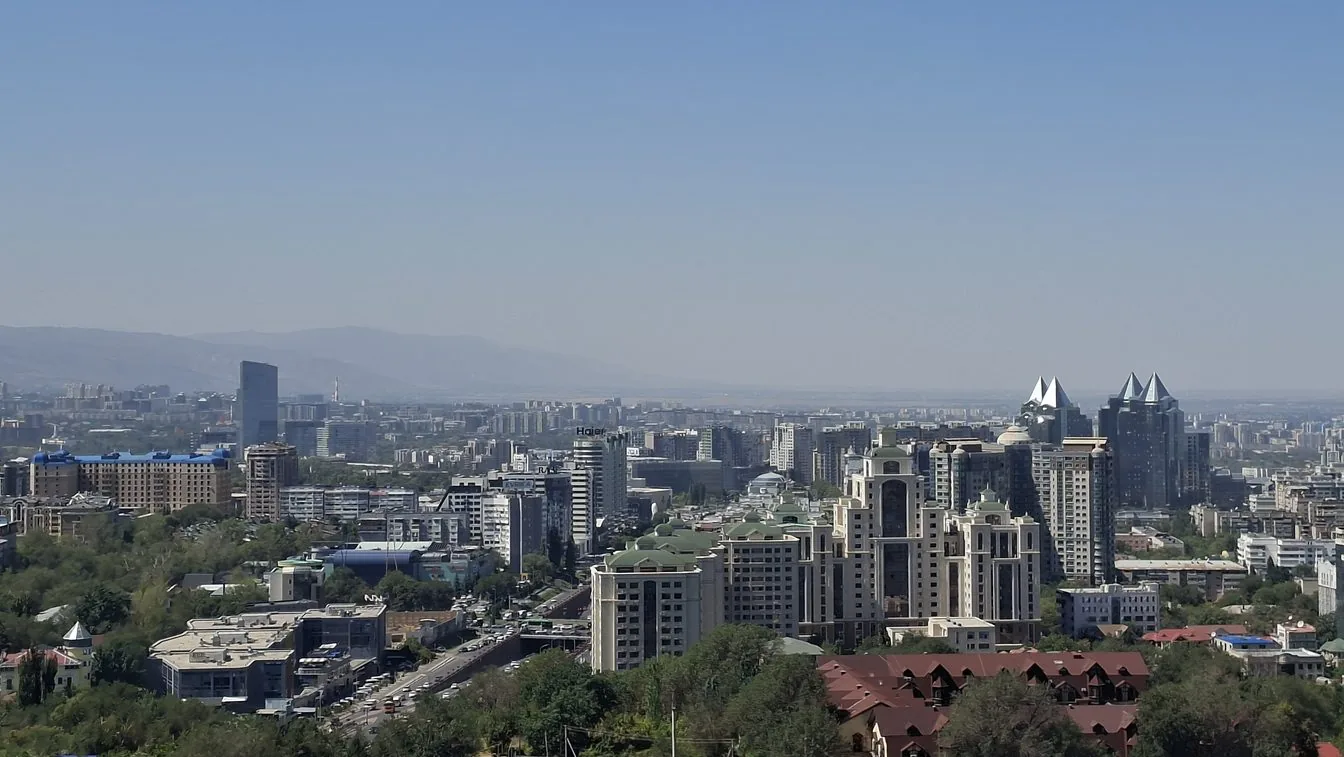
travel
Things to Do in Almaty: 22 Best Activities
Things to do in Almaty, Kazakhstan: 22 best activities from Medeu skating and Big Almaty Lake to Green Bazaar food tours. 2026 prices and local tips.
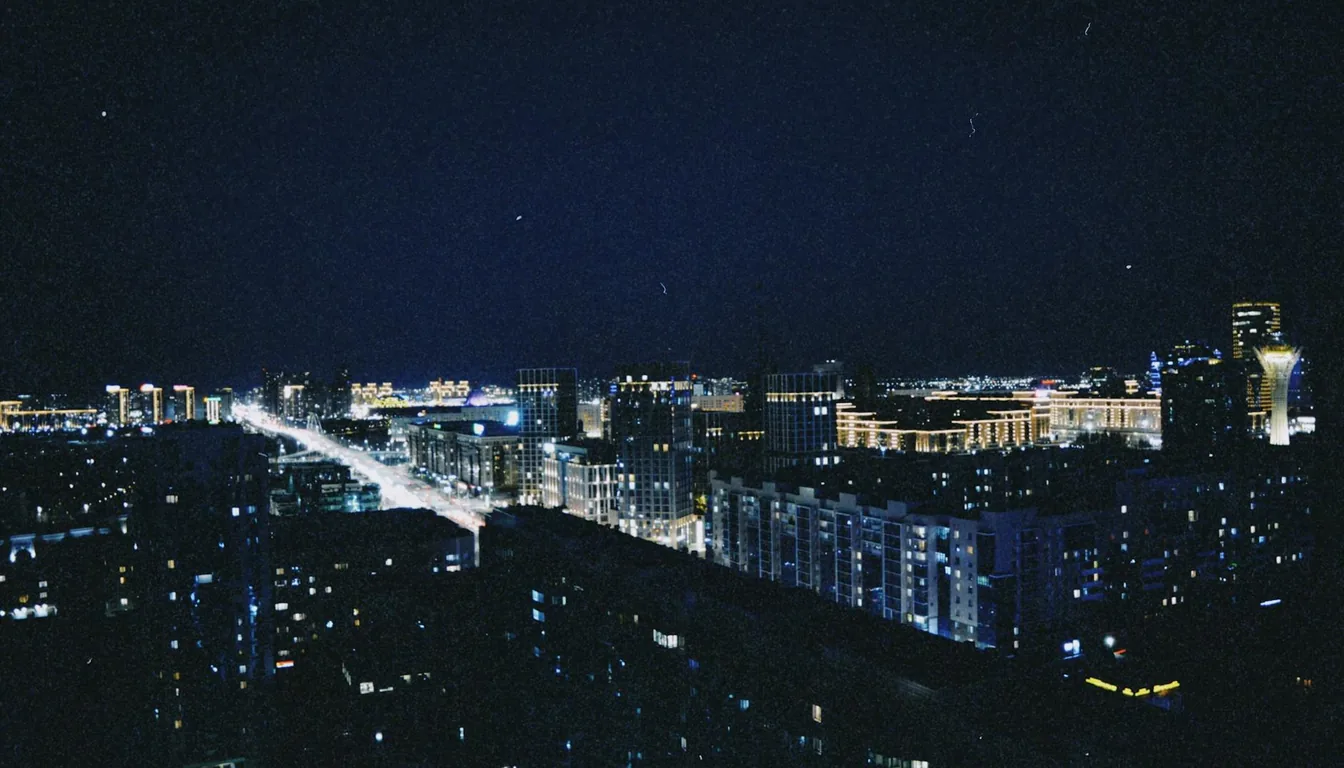
travel
Astana, Kazakhstan: Top Attractions, 2-Day Itinerary & Costs (2026)
Astana is Kazakhstan's futuristic capital (1.3M people). Baiterek Tower, Khan Shatyr, free museums. 2-day itinerary, costs $30/day, flights from Almaty $50.
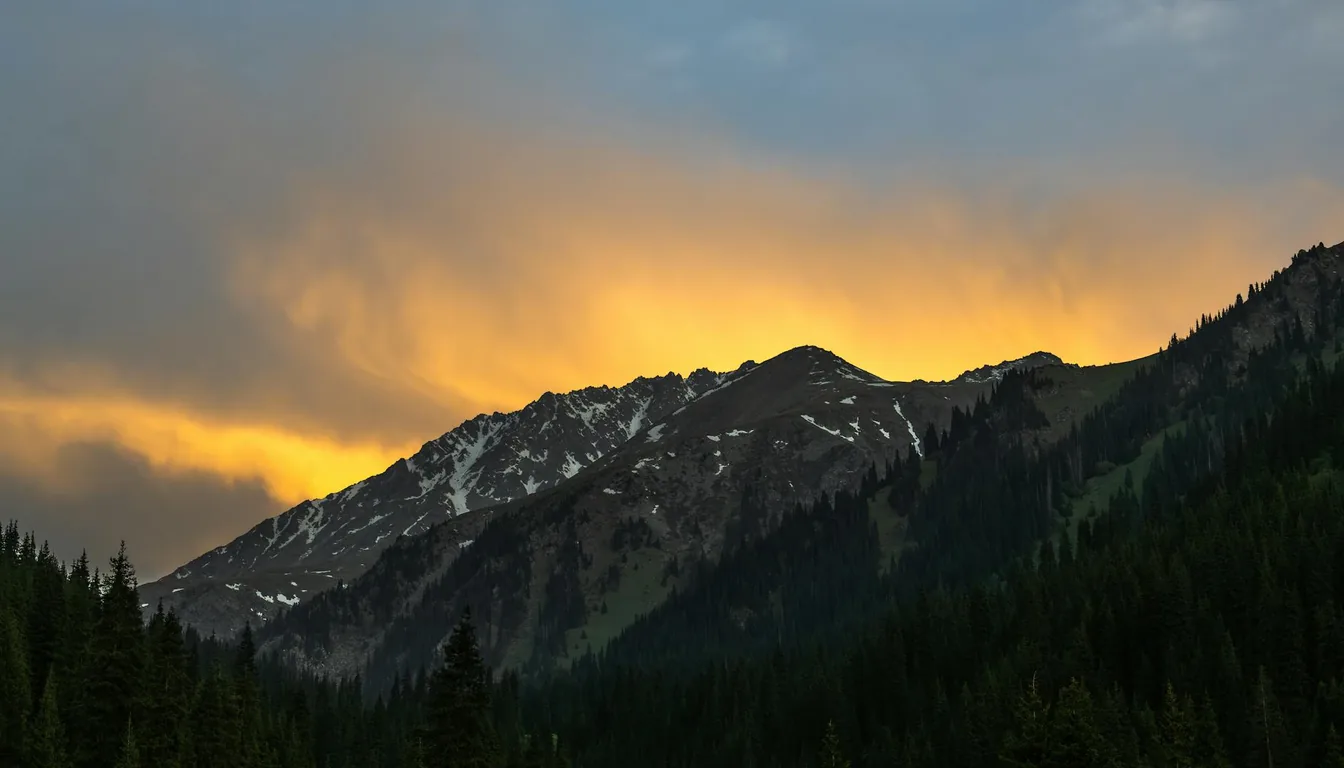
travel
Almaty, Kazakhstan: 3-Day Itinerary, Top Sights & Real Costs (2026)
Almaty travel guide: top attractions, neighborhoods, restaurants from $3, hotels from $25, Shymbulak ski resort, Charyn Canyon day trips. Real local costs.